SEMBA Bee School pairs seasonal classroom lessons with supervised hive practice, helping beginners build practical beekeeping skills with experienced mentors.
Teaching People to Keep Bees
A bee school earns its name in the apiary. Clubs, conferences and online videos can help beginners learn, but they can’t replace opening a hive with an experienced mentor beside you. The difference matters: reading how to find a queen or test for mites is one thing; doing it among thousands of bees is another.
Richard Wahl, a beekeeper and co-instructor, argues that effective training pairs classroom lessons with supervised practice. One of his co-instructors puts it simply: “The classroom teaches the hows and whys of keeping bees, while the apiary teaches you how to actually do it.” Club meetings and conference talks, another instructor says, help students continue learning. Good teaching also accounts for what beginners don’t yet know, pacing lessons so that new beekeepers aren’t overwhelmed.
Wahl has co-taught the Southeast Michigan Beekeepers Association (SEMBA) Bee School for five years. The program dates to 1938 and now runs at two sites: Tollgate Farm in Novi and Bowers School Farm in Bloomfield Hills. Each location typically serves 25 to 30 beginners a year. Tollgate is a 160-acre historic property, first settled in 1831; Adolph and Ginger Meyer donated land in 1979 and 1987 to establish a public agricultural and youth education center connected to Michigan State University (MSU). Bowers is a 93-acre working farm owned by the Bloomfield Hills Schools (BHS) district since 1967. It serves as an educational land laboratory and community park, where MSU Extension offers agricultural curriculum, youth 4-H programs and Master Gardener initiatives.
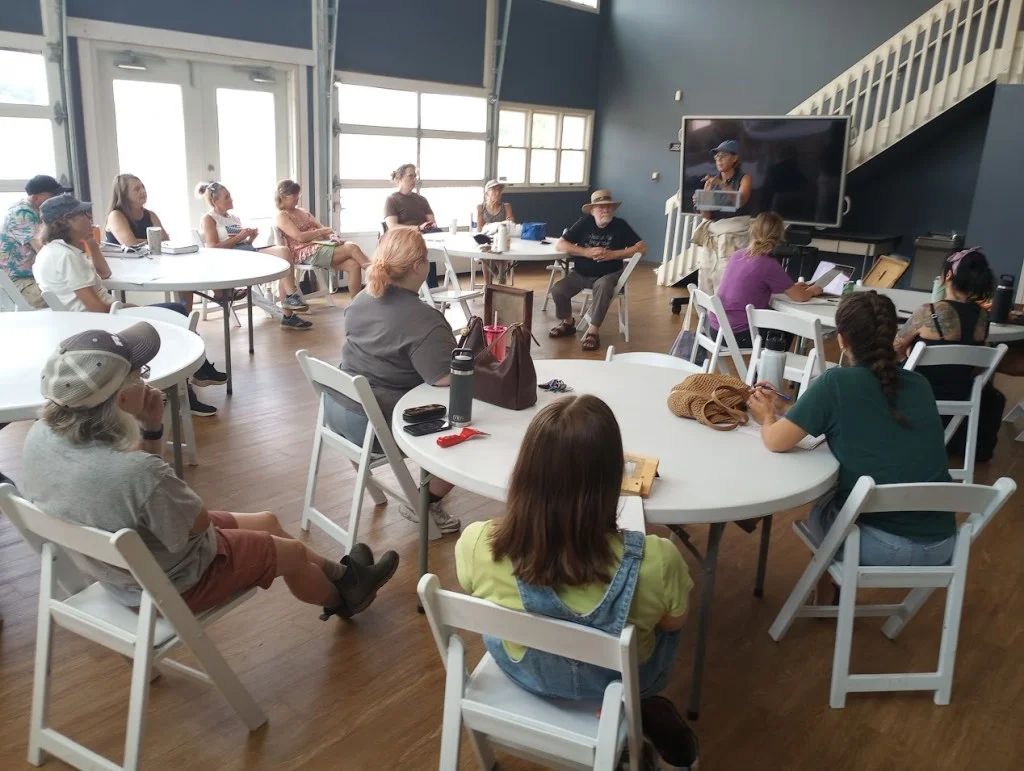
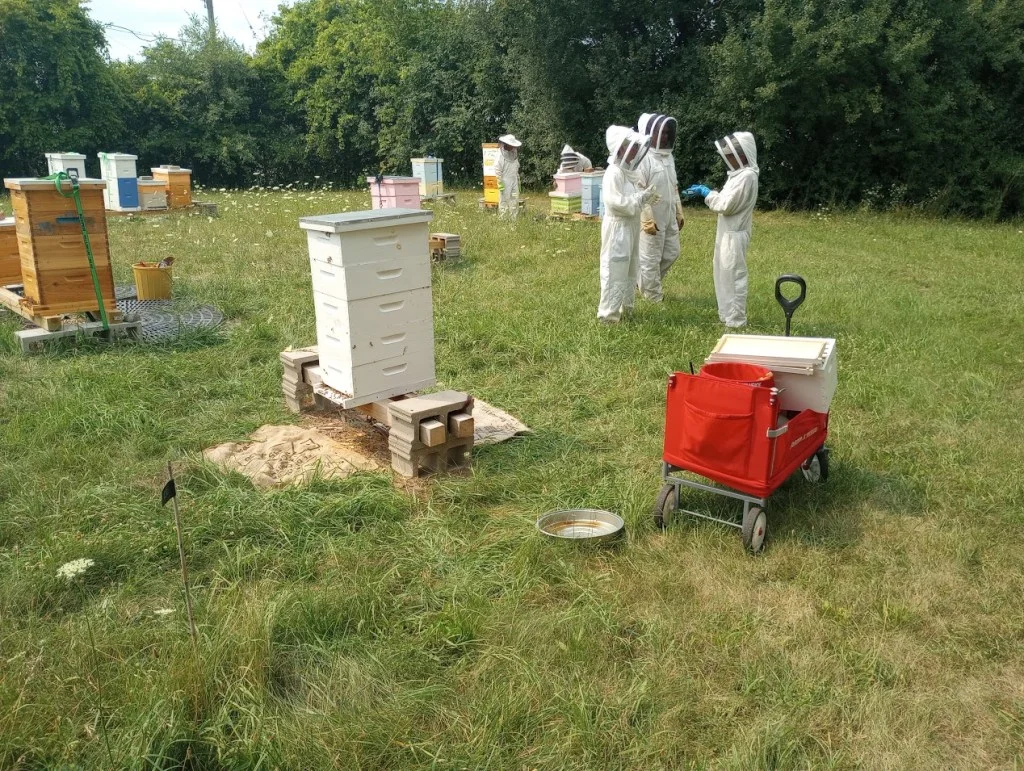
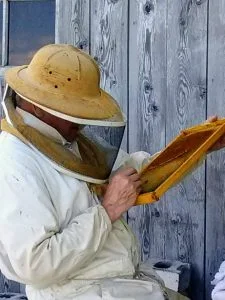
At both sites, students move between a classroom and a two-acre teaching apiary nearby. They can discuss a hive component or management technique, then put on protective gear and try it with a mentor close at hand. That pairing is the program’s central idea: practical skill comes from doing the work, while classroom instruction helps students understand what they’re seeing.
A course built around the season
The program’s structure is as deliberate as its hands-on teaching. A syllabus lays out meeting dates, preparation and goals, with lessons following the colony’s seasonal cycle. Students study installing bees when that task is near, for example, and winter preparation before colonies need it. That timing gives them a chance to use each lesson at their next apiary visit.
Registration includes the required textbook, Honey Bee Biology and Beekeeping by Dewey M. Caron and Lawrence John Connor, a college-level reference on apiculture and honey bee management. Another longstanding title for a beekeeper’s shelf is The ABC and XYZ of Bee Culture, published by the A.I. Root Company.
Before each class, students read assigned material and watch selected instructional videos, often from the University of Guelph Honey Bee Research Centre in Ontario, Canada. The program also assigns essays, research papers and presentations on apiculture, pollinator health and honey bee disease. Many are prepared by Dr. Meghan Milbrath, an assistant professor and Extension Specialist in MSU’s Department of Entomology. Classroom discussion connects those materials to beekeeping in southeast Michigan.
Short quizzes arrive a week or two before class. They’re not graded; they encourage students to keep up and show instructors where the class needs more explanation. By the time students reach their hives, they have some context for what they’re about to see. The apiary reinforces the lesson rather than carrying the entire burden of teaching it.
From winter planning to a first colony
SEMBA meets eleven times at the apiary from January through October, generally a little less often than monthly. Sunday sessions run from 1 to 3:30 p.m. to fit around work and family schedules. The course opens in a classroom in January; if Michigan winter weather makes travel impractical, the meeting moves to Zoom. Students explain what drew them to beekeeping, instructors introduce their experience, and the group reviews the year’s schedule, website, syllabus and assignments.
As the bees arrive in late April or early May, meetings shift to roughly every three weeks to match the colony’s faster development. The first session also covers equipment: what students need before their bees arrive, what can wait, and where to buy gear and bees. The fee includes a textbook and wooden nucleus box. Registration for the next year generally opens around December 1 and is handled by SEMBA’s administrative staff.
Two additional Zoom sessions, with dates set later, are open to alumni. One takes place in early spring and the other in fall, offering time to answer accumulated questions and review seasonal work. The fall discussion returns to winter preparation. By then, students have moved their colonies from the shared teaching apiary to their own sites; colonies must leave both teaching locations by October 1.
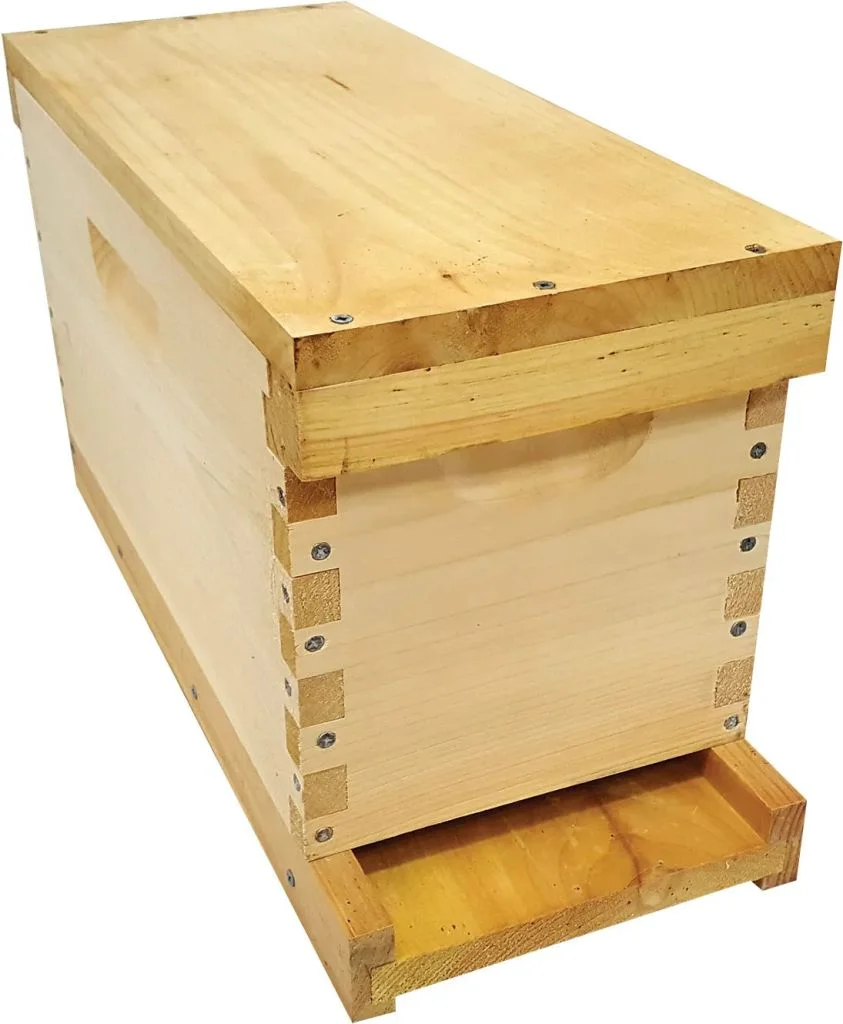
The included nuc box is empty; the bees are a separate purchase. That distinction is useful for new keepers, since “nuc” can mean either the box or a small established colony. A typical nuc colony has a laying queen, frames of eggs, larvae and capped brood, a frame of honey and pollen, and an empty frame for expansion.
The box itself can house a purchased nucleus colony, hold a captured swarm or split, transport bees, keep a small colony, or provide temporary care for a queen. A nuc colony can also supply a full-sized hive with a replacement queen, brood or food stores. Students usually buy bees through instructors or reputable local producers, and may receive the colony in their box or directly from the seller. Many install their first nuc into a standard eight- or ten-frame Langstroth hive; some choose a horizontal design or another type of hive. In southeast Michigan, nucs generally arrive from the final week of April through mid-May.
Including the box is intentional: students have a practical tool from the start, one that can remain useful well beyond the first installation. It may become emergency housing, a place to raise a colony, or a way to move bees. The box is a small item with an unusually long list of jobs.
Experienced mentors, with a path for new ones
SEMBA’s instructors each have at least ten years of beekeeping experience. The program also keeps recent graduates on as intern mentors. Beginners often find it reassuring to learn from someone who was in their position the previous year, while interns can sharpen their own skills alongside veteran instructors.
Four or five experienced mentors serve each location, supported by volunteers and management staff who handle both teaching and behind-the-scenes work. A lead mentor organizes monthly meetings; recent graduates help as interns, creating a path for future replacements when veteran mentors retire. Student fees cover some mentor travel costs. Other volunteers update the syllabus, manage registration and coordinate nuc suppliers, since many students buy one or two colonies. Some keep one nuc at the teaching site and additional colonies at home; others take the course first and wait a year before buying bees.
The full-year course costs $500. Wahl says that is well below tuition for a university semester course, while giving students access to several instructors rather than one professor. Graduates who recommend the program to others remain its strongest recruiting channel.
Teach the season, then let the bees teach
A beginner bee school succeeds when its lessons arrive at the moment students can use them. Classroom size, slide count and an instructor’s years of experience matter less than a clear, well-timed syllabus paired with supervised work in the apiary. Reading, selected videos and discussion can prepare students, but applying that knowledge with an experienced mentor is what helps them become confident beekeepers.
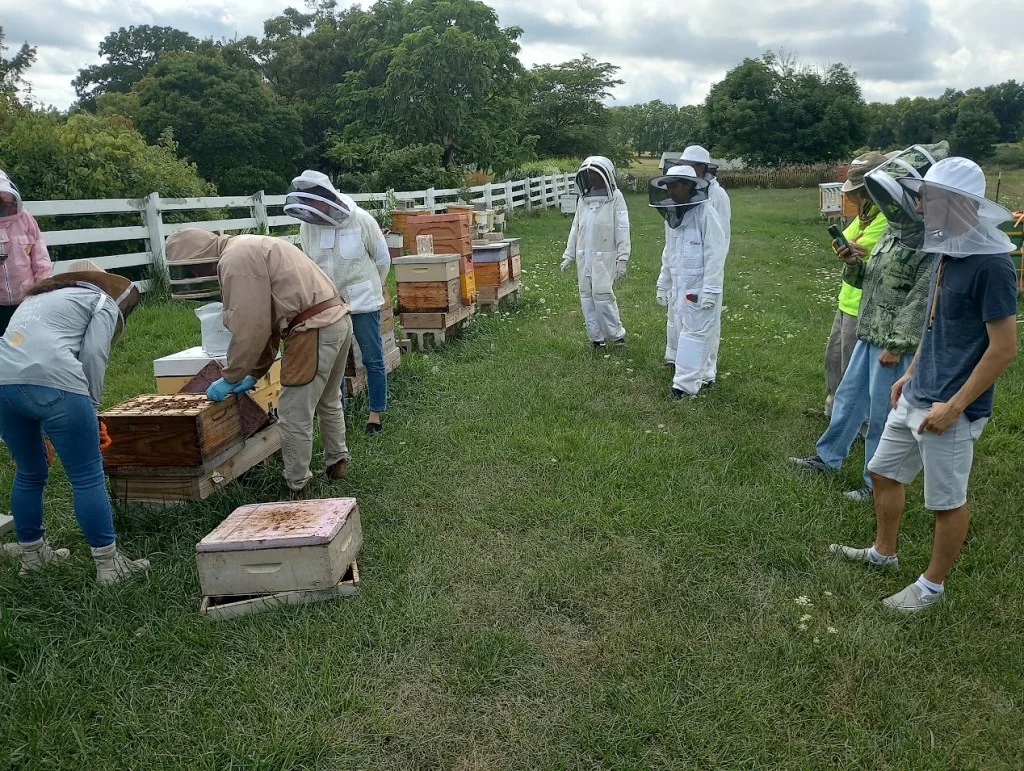
Here's the thing: a hive inspection is the real test. Bees don’t respond to quiz scores or book lists; each visit brings fresh questions and sometimes surprises. A sound program follows the colony through the seasons and gives beginners the background to meet those moments with curiosity and sound judgment.
The aim is for students to leave the season knowing both what to do and why. That distinction matters: it gives them a basis for making thoughtful decisions long after the course ends. For information about starting a bee school or becoming a SEMBA Bee School Extension using the SEMBA Bee School syllabus, contact [email protected].
Discussion
Sign in to join the discussion.