A structured senior care pathway helps clinics spot changes earlier, ease access barriers and guide families through decisions as pets age.
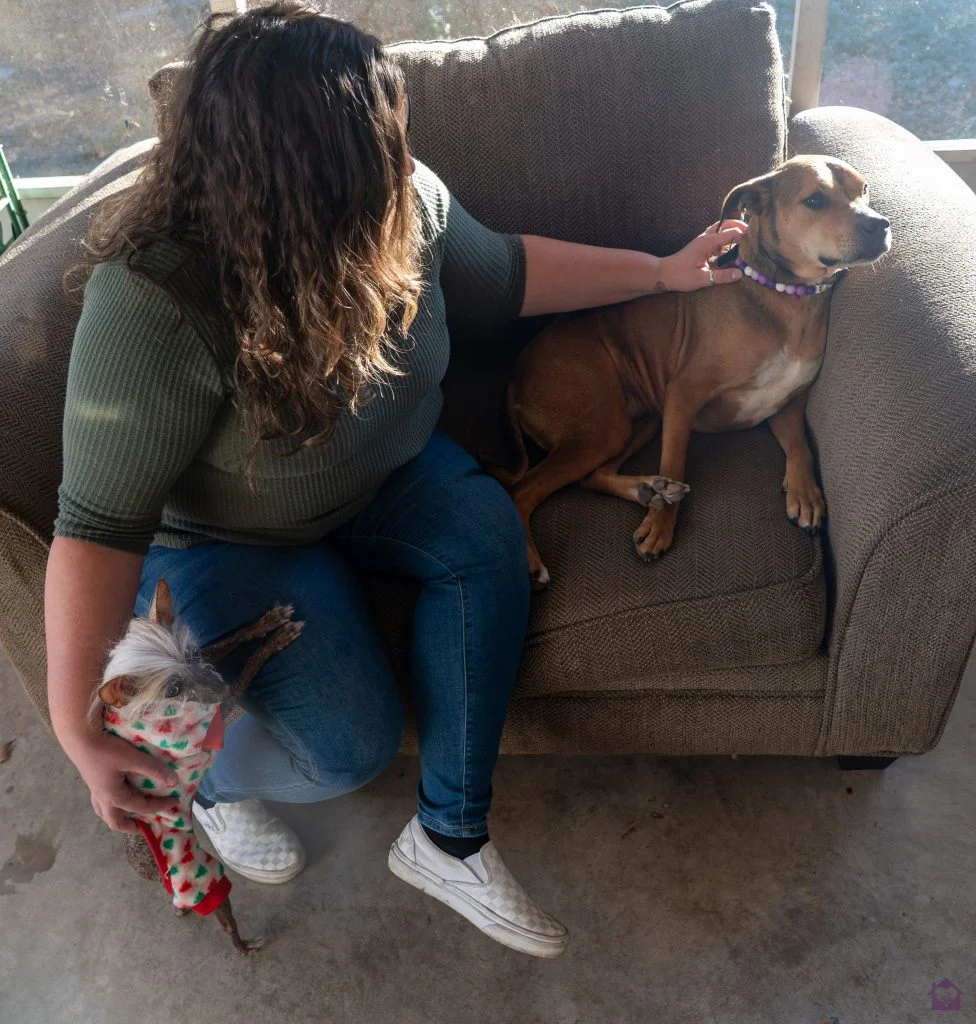
Senior pets often leave routine veterinary care for reasons that have little to do with a lack of concern. A dog may be too difficult to lift into a car; a cat may panic during travel; a family may assume slower movement is simply age. When caregivers also fear unaffordable tests or pressure to make end-of-life decisions, routine visits can give way to crisis appointments.
For veterinary practices, the challenge is to make ongoing care feel practical and manageable. A defined senior care pathway can help teams reconnect with patients, identify changes earlier and give families a clear way to make decisions over time. Its value lies in continuity: clients know what to watch, whom to contact and how the next step fits their pet’s needs and their own circumstances.
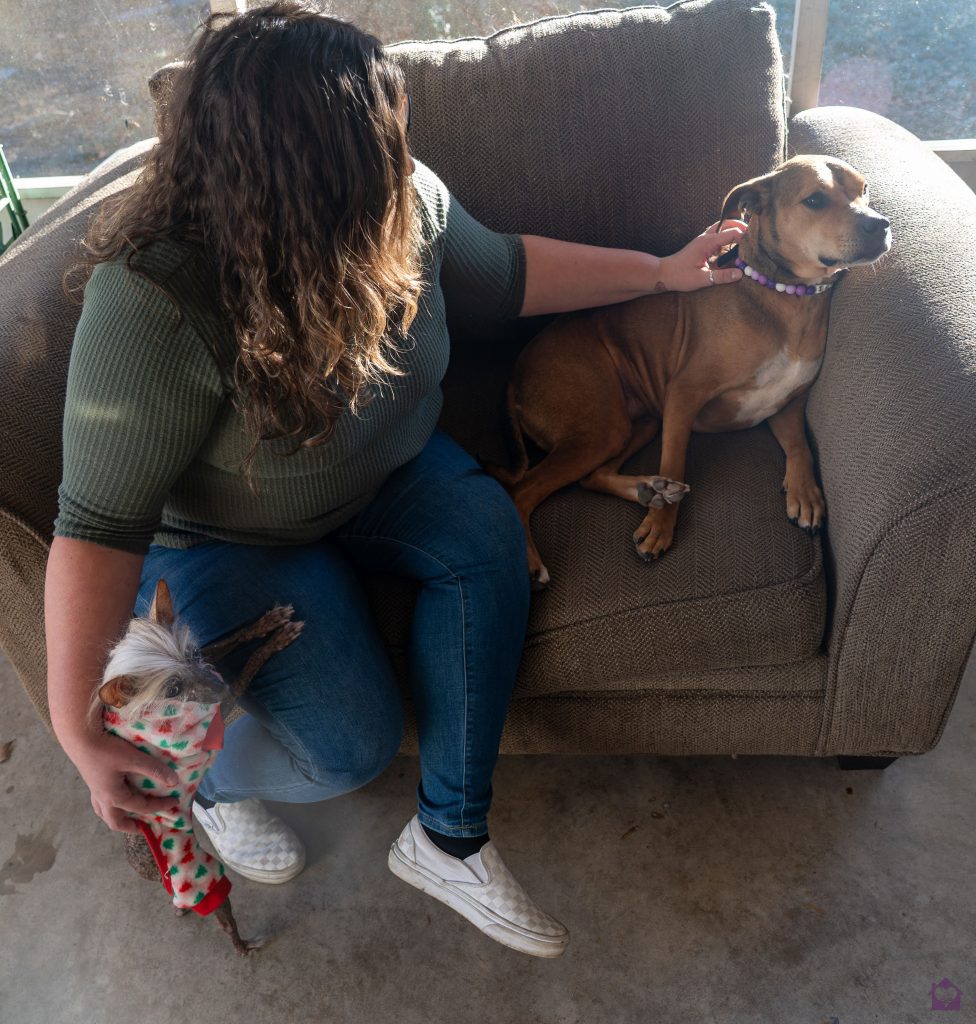
Make aging a reason to plan
Age alone doesn’t define a patient’s health or needs. The 2023 American Animal Hospital Association Senior Care Guidelines describe senior care as an individualized approach shaped by species, breed, size, expected lifespan, health and functional changes. That approach spans preventive screening, pain relief, nutrition, dental health, behavior, home adjustments, chronic disease management and caregiver support.1
This framing can change the first conversation. A team might explain that a pet is entering a new life stage and invite the family to make a plan to preserve comfort and activity. That gives clients a reason to come in before a serious problem arises, and positions the practice as a continuing guide rather than a place associated only with bad news.
The need is substantial because aging changes can be easy to dismiss. A shift in appetite, sleep, mobility, behavior or elimination may be treated as inevitable, even when assessment or treatment could help. Meanwhile, anxiety about likely costs or difficult decisions can make an appointment feel risky. Clear expectations matter: explain that a visit can start with a conversation, an assessment and a set of options, with priorities agreed upon by the family and care team.
Reconnect with patients who have dropped out of care
Practices can begin by reviewing records for patients who meet their own working criteria for senior status and have gone without an examination for a chosen period. The search is a way to find patients who may need outreach, not a fixed medical definition. Reviewing each chart can surface missed rechecks, chronic conditions, stopped medications, mobility concerns, fear during handling and tests previously declined.
Contact should sound personal and supportive. A note that acknowledges the gap in care and offers help planning for a pet’s changing needs is more useful than a generic overdue notice. Explain what a senior appointment can cover: changes noticed at home, comfort and function, the family’s main concerns, and a practical plan for what to do next.
Ask what makes a visit difficult. Transportation problems might be eased with a quieter appointment time, help from the car, telehealth when appropriate, or a referral to a mobile provider. Cost concerns can prompt a staged plan that addresses the most pressing need first. For fearful patients, teams can document a low-stress approach, pre-visit medication where appropriate, or a shorter first appointment.
Access barriers extend beyond affordability. A 2024 scoping review identified factors that include geography, staffing and equipment, communication, transportation and other practical or social circumstances.2 Asking what would make the visit easier can reveal obstacles a reminder cannot address—and give the practice a chance to offer relevant support.
Adapt the appointment to the animal and family
Older pets may arrive with several concerns that need more time than a standard appointment allows. A pre-visit questionnaire can help the team prepare by asking about food and water intake, sleep, elimination, movement, play, grooming, social interaction, cognition and behavior. Short videos of a pet standing, walking, climbing stairs or using a litter box can show changes that aren’t obvious in the exam room.
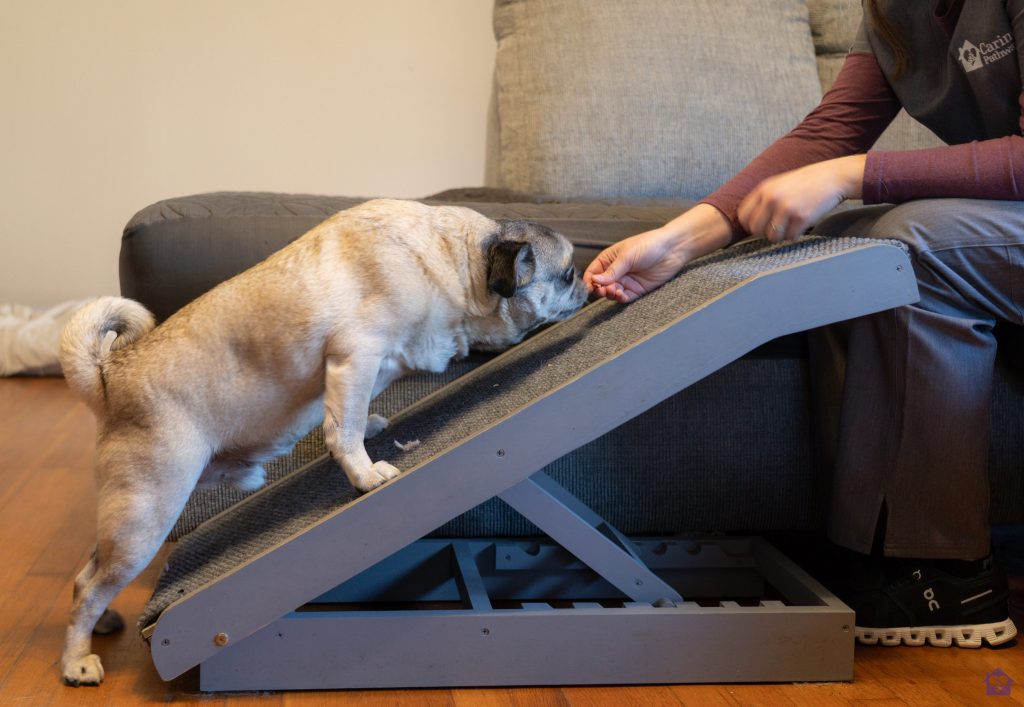
The clinic environment also shapes whether a family can sustain care. Nonslip flooring, soft bedding, ramps, accessible scales and examinations on the floor can reduce discomfort. For cats, shorter waits and considerate handling may make repeat visits more tolerable. The Feline Veterinary Medical Association’s senior care guidelines call for individualized assessment and recognize caregivers as part of the cat’s care team.3
Plans should reflect where the patient is now. A healthy older animal, one with manageable chronic illness and one approaching the end of life need different kinds of support. Screening, diagnostic testing and follow-up frequency should be selected around the patient’s health and the family’s goals, rather than imposed as a standard bundle.
Bring future decisions into routine care
Planning for possible decline needn’t wait until treatment choices are exhausted. For a stable pet, it can begin with a baseline: favorite activities, current abilities, signs that should prompt a call and changes the family wants to monitor. As a condition advances, discussions can address after-hours contacts, emergency symptoms, the family’s preferences about hospitalization and, if needed, where euthanasia would feel right.
Quality-of-life tools can give families and clinicians a shared way to track change, but a score shouldn’t decide a complex question on its own. Patterns across days or weeks can be more revealing. A calendar or simple log may help caregivers notice a gradual shift that is hard to see when they are with the pet every day.
These conversations can reduce the number of decisions a family faces during a crisis. They also make clear that discussing hospice or euthanasia is part of continued care: the focus remains the pet’s comfort, dignity and the family’s ability to make informed choices.
Build a pathway, not a packageA discounted exam and laboratory panel may be convenient, but a senior care program needs a repeatable process that connects findings to follow-up. A pathway can include:
Families should leave knowing what the exam and tests found, which issues need attention first, what can be watched at home and when to contact the practice. A concise care plan in plain language can make those next steps easier to follow. If the preferred diagnostic or treatment plan isn’t feasible, keep the conversation open. Explain what different options can establish, document the family’s choices and identify a reasonable next step. For example, the team might first address pain or nausea, arrange testing later and check in by phone to assess the response. A plan that fits the family’s circumstances can keep care moving and preserve trust. |
Give the whole team a role
Veterinarians retain responsibility for diagnosis and medical decisions, while veterinary technicians and other team members can support history taking, education, mobility and quality-of-life assessments, follow-up and coordination within practice protocols and applicable rules. Shared language helps clients receive consistent guidance, particularly when a pet’s condition changes or different team members discuss care.
Training can include practice conversations built around open questions: What changes have you attributed to age? Which parts of care are getting harder? What does a good day look like for your pet? What are you most worried we might find? Would it help to review several options before deciding? These questions let families describe their priorities without the team assuming what they can manage.
Measure whether the program is workingEnrollment and revenue tell only part of the story. Practices can track how many overdue senior patients return, whether follow-ups are completed, and how often records include assessments of pain, mobility, cognition and quality of life. Other useful indicators include urgent visits among enrolled patients, client feedback, team confidence and whether families discussed end-of-life preferences before a crisis. Review missed appointments and declined recommendations for recurring barriers. If transportation, fear, cost or confusion regularly comes up, the program may need to change. Some results won’t fit neatly in a metric: a family that knows whom to call, a cat that tolerates an examination or a pet that avoids an unplanned emergency can all signal that the pathway is helping. |
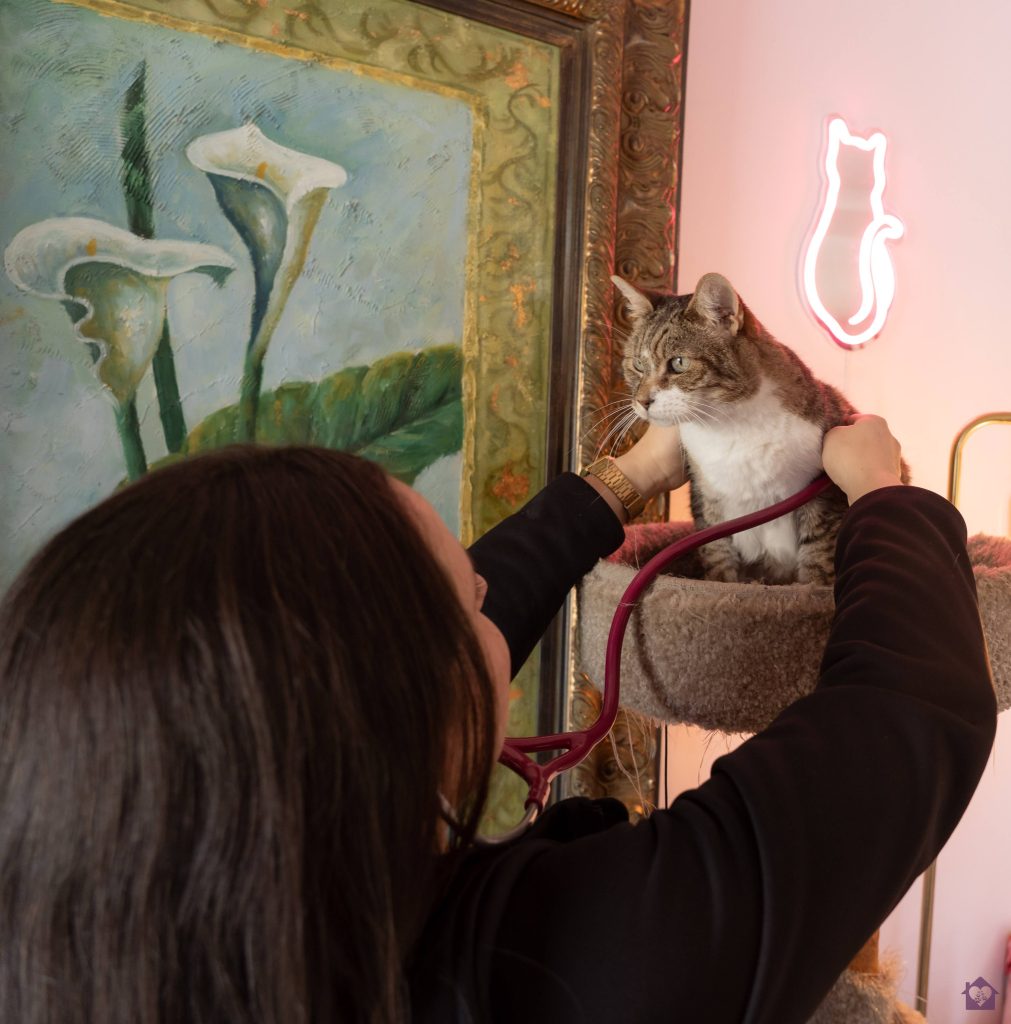
Senior medicine is measured in comfort, function and connection as well as lifespan. A visible, adaptable care pathway helps families understand what is happening now and prepare for what may come next. For practices, the practical test is whether an older patient can keep receiving care as needs change—and whether the family knows the next step when they need support.
Chelsea McGivney, DVM, MBA, attended veterinary school at Colorado State University. She has practiced general medicine, emergency medicine, and in-home end-of-life veterinary care. Currently, Dr. McGivney is the executive director of operations of Caring Pathways, a multi-practice in-home end-of-life veterinary company focused on providing compassionate hospice and palliative care, as well as in-home euthanasia at life's end.
References
- Dhaliwal R, Boynton E, Carrera-Justiz S, et al. 2023 AAHA Senior Care Guidelines for Dogs and Cats. Journal of the American Animal Hospital Association. 2023;59:1–21. doi:10.5326/JAAHA-MS-7343.
- Pasteur K, Diana A, Yatcilla JK, Barnard S, Croney CC. Access to veterinary care: Evaluating working definitions, barriers, and implications for animal welfare. Frontiers in Veterinary Science. 2024;11:1335410. doi:10.3389/fvets.2024.1335410.
- Ray M, Carney HC, Boynton E, et al. 2021 AAFP Feline Senior Care Guidelines. Journal of Feline Medicine and Surgery. 2021;23(7):613–638. doi:10.1177/1098612X211021538.
Discussion
Sign in to join the discussion.