Feline chronic rhinosinusitis causes recurring nasal signs and can be difficult to treat. Care starts with ruling out other causes and setting clear expectations.
Why chronic rhinosinusitis is hard to manage
Feline chronic rhinosinusitis (CRS) accounts for 35% of feline nasal disease cases, yet remains under-researched and difficult to treat.1 It can significantly affect a cat’s quality of life and frustrate owners and veterinarians alike: signs often recur over a long period, and available treatments rarely provide a lasting fix. That makes diagnosis and clear conversations about expectations central to care.
Some affected cats are called “snufflers.” They can be any age, though disease often starts in young or middle-aged cats, and their sneezing, nasal discharge, or noisy breathing (stertor) may come and go.1,2,11 Antibiotics can bring temporary relief, but that response doesn’t establish bacteria as the original cause. CRS is a diagnosis of exclusion: clinicians need to investigate other explanations for the nasal signs before settling on it.
What may drive the inflammation
The cause of CRS isn’t settled. Genetics, environmental exposures, and previous infections may all contribute to persistent inflammation and excess mucus. Primary bacterial rhinitis is considered rare; the more likely sequence is that underlying inflammation makes the nose vulnerable to secondary bacterial infection.1
Feline herpesvirus type 1 (FHV-1) is a possible trigger. Almost all cats have been exposed, and experiments show that it can damage nasal tissue and destroy turbinates.3,4 But evidence linking active FHV-1 to established CRS is less convincing: PCR testing of nasal biopsy samples found the virus at similar frequencies in healthy cats and cats with CRS.3
Bacteria also need careful interpretation. Healthy cat noses contain normal bacterial flora, and studies have recovered Pseudomonas species, Escherichia coli, Staphylococcus species, and Pasteurella multocida from feline noses.5-7 One study found Mycoplasma species and anaerobes more often in cats with CRS than in healthy controls. Potentially harmful bacteria were also more common in affected cats, but the study couldn’t show that they caused the disease.3
There may be an immune component, but the comparison with human allergic rhinitis has limits. In people, allergic rhinitis is an immunoglobulin E (IgE)–mediated condition associated with a T helper 2 (Th2) response and conditions such as asthma, otitis, and nasal polyps.8 Cats with CRS can also have otitis and polyps, yet studies haven’t found a Th2 bias; one instead suggested a T helper 1 (Th1)–biased response.9,10 That difference matters when considering whether treatments for human allergic disease might work in cats.
Start with the whole patient
Common signs include recurrent sneezing, nasal discharge, and stertor.1 Discharge may be clear and watery, thick and mucus-like, mucopurulent, or occasionally blood-tinged. It is more often bilateral than confined to one nostril.
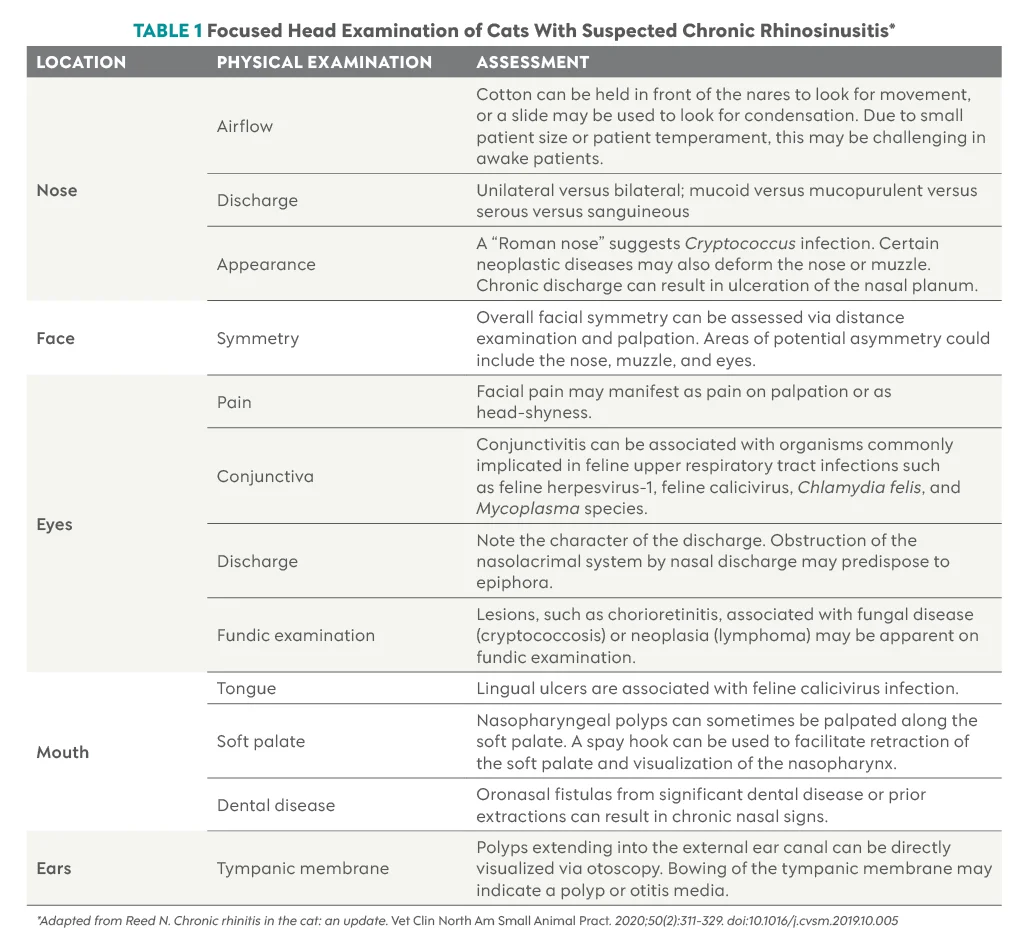
A thorough examination should include the eyes, ears, face, nose, and mouth; depending on the cat’s temperament, sedation or general anesthesia may be needed for a detailed oral examination. The article’s examination guide is shown below.
Rule out other causes
History and examination can raise suspicion of CRS, but neither confirms it. The workup needs to consider other causes of upper respiratory signs.11,12
- Neoplasia, including lymphoma, adenocarcinoma, and squamous cell carcinoma
- Nasopharyngeal polyp
- Fungal infection, including cryptococcosis and aspergillosis
- Dental disease, including tooth root abscess or oronasal fistula
- Foreign body
- Nasopharyngeal stenosis
- Trauma
- Congenital anatomy, including brachycephalic conformation or cleft palate
- Swallowing disorders
Blood work, infectious disease tests, and cytology
A baseline complete blood count (CBC), serum biochemistry, and retrovirus testing help assess general health and inform medication choices. Retroviral immunosuppression may increase the risk of neoplasia or upper respiratory tract infections.
PCR panels can detect common infectious agents associated with nasal signs, including FHV-1, feline calicivirus (FCV), Chlamydia felis, Bordetella bronchiseptica, and Mycoplasma species. Results can be hard to interpret in chronic cases because some agents—especially FHV-1 and FCV—are common in healthy cats. Mycoplasma is considered part of the upper respiratory tract’s normal microbial community and can be found in both healthy cats and cats with signs of disease.1,13
Cytology from a swab of nasal discharge has limited diagnostic value: the inflammatory cells seen on the swab may not match those found on tissue biopsy.14 Aspirating a visible mass can help identify fungal disease or neoplasia. Cryptococcus may appear as a basophilic, encapsulated yeast in a mass and, less often, in nasal discharge. A negative aspirate doesn’t rule it out; when results are inconclusive, serum latex agglutination testing for cryptococcosis or advanced imaging for possible neoplasia may be appropriate.15
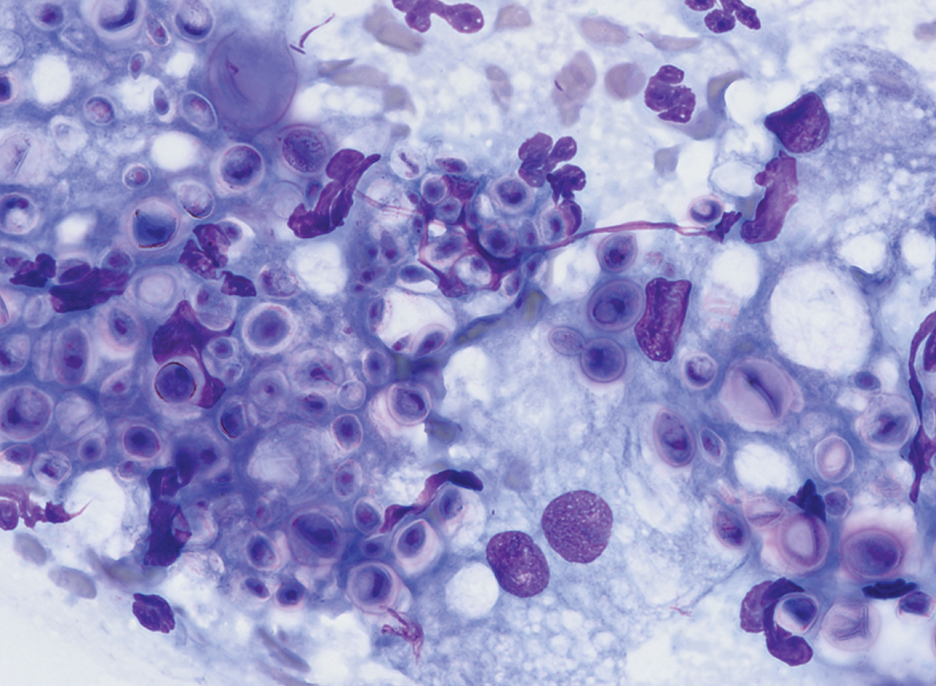
Figure 1. Cytologic appearance of Cryptococcus species, an important alternative diagnosis in cats with chronic nasal discharge. 100× magnification, Wright-Giemsa stain. Courtesy Francisco Conrado.
Oral examination and imaging
An oral examination under sedation can reveal FCV-associated tongue ulcers, oral or laryngeal masses, oropharyngeal polyps, and dental disease. It can be done immediately before intubation. Cats with severe stertor may be at risk of airway obstruction after premedication, so they need close monitoring between sedation and intubation.
Radiographs can show soft tissue opacity consistent with CRS, but computed tomography (CT) is the preferred way to assess the skull and nasal passages.16 Taking useful head radiographs requires general anesthesia, precise positioning, and multiple views to reduce overlapping structures; even then, radiographs provide less detail than CT.1 Imaging findings can overlap between inflammatory disease and cancer. Enlarged or abnormal medial retropharyngeal lymph nodes, paranasal bone destruction, and a mass effect can point toward neoplasia.17
Rhinoscopy and tissue sampling
Both anterior and posterior rhinoscopy are possible in cats. Small patient size can make anterior rhinoscopy difficult, but clinicians can use a 2- to 3-mm flexible endoscope or a rigid scope with a 0° to 30° viewing angle.1 The procedure should be performed under general anesthesia with a cuffed endotracheal tube. A known number of gauze squares should be used to pack the throat and limit aspiration risk.
Healthy nasal mucosa looks pink and smooth. CRS may cause excess mucus, fragile tissue, ulceration, congestion, and redness.18 A scope may reveal a foreign object, fungal plaques from Aspergillus or other fungi, or a mass if the abnormality lies far enough forward in the nasal passage.1 Visibility can be limited by the cat’s size and by bleeding from fragile tissue. Retroflex endoscopy examines the choanae and can reveal polyps, foreign material, masses, or nasopharyngeal stenosis.1
Endoscopy also lets clinicians take biopsies from visible lesions. But how abnormal the tissue looks during rhinoscopy may not match what a biopsy shows. Bilateral biopsies are therefore recommended, even when tissue looks only mildly affected—or appears normal.18
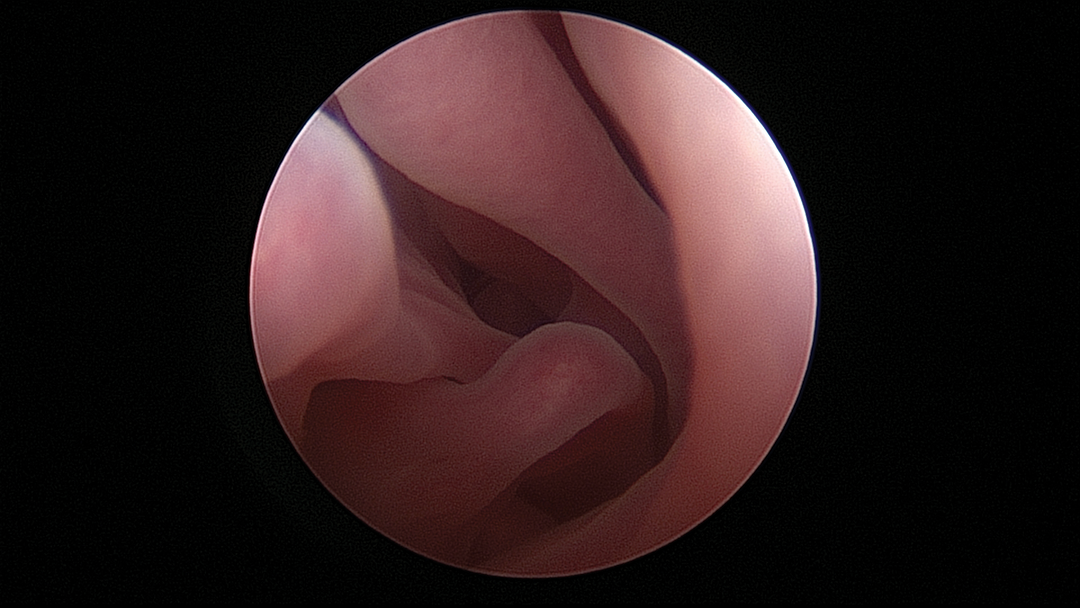
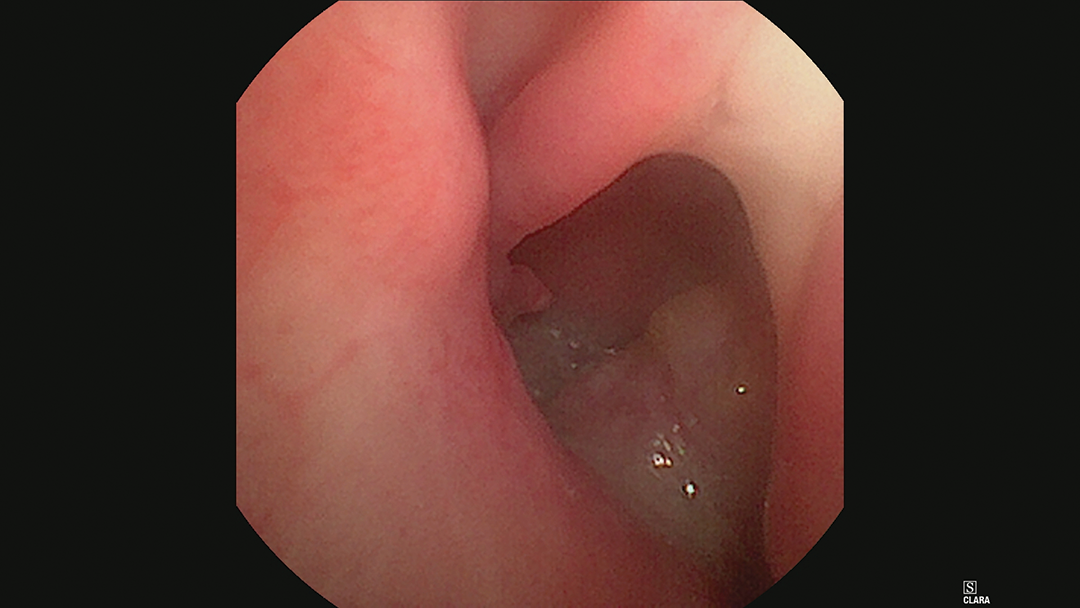
Biopsy can be targeted through an endoscope’s working channel, though the small instruments yield small tissue samples. Blind biopsy with rigid nasal forceps can collect larger pieces. Samples may go in formalin for histopathology; sterile tubes can be used for bacterial or fungal culture when indicated.
Histopathology is important for excluding nasal lymphoma, which can occur even without a CT-visible mass. Inflammation may be classified as lymphoplasmacytic, neutrophilic, eosinophilic, or mixed.18 Neutrophilic inflammation is sometimes described as acute and lymphoplasmacytic inflammation as chronic. Yet some cats with neutrophilic findings have had signs for a long time, so these patterns may reflect a spectrum of disease or active secondary bacterial infection.1 Biopsies may also show ulceration, turbinate destruction, tissue death, or glandular hyperplasia.18
What cultures can—and can’t—tell you
A bacterial culture from a nasal sample is hard to interpret. The organisms may be normal flora, results can vary with the sampling method, and culture results don’t reliably predict treatment response.3,5,7,19 Some clinicians favor samples from a biopsy or nasal flush over discharge. Flush samples are more likely than biopsy samples to grow bacteria, and both methods tend to identify similar organisms; Mycoplasma is more readily recovered from biopsy samples.3,5,7 Fungal culture has a clearer role in diagnosing nasal aspergillosis and distinguishing infecting Cryptococcus species.20
Managing a chronic condition
There’s no definitive treatment for feline CRS, and a single plan won’t suit every cat. The goal is often to reduce how often and how severely a cat sneezes. Owners should understand that the disease can recur and that antibiotics aren’t a first-line answer; when bacterial infection is a concern, antimicrobial treatment may provide only temporary or limited relief. Treating an underlying primary nasal disease remains the priority.
The evidence base is thin because few studies have tested treatment approaches. CRS isn’t generally life-threatening, but it can impair quality of life, and long-term care may involve intermittent medication. That’s a practical reason to help owners build their cats’ comfort with handling and medication through habituation and positive reinforcement.
Supportive care
Nasal flushing
Mucus or mucopurulent discharge can restrict airflow, interfere with smell, and contribute to sinusitis or otitis by obstructing drainage from the sinuses and ear canals.1 Flushing the nasal passages under general anesthesia can remove this material and improve signs and quality of life, though the benefit lasts for different lengths of time in different cats. Nasal irrigation is also used in people with acute and chronic rhinosinusitis.21 In cats, flushing may be done during diagnostic workup or during a serious flare-up, and may be especially useful when Pseudomonas has been identified.22
Hydration and nebulization
Nebulizers turn liquid, such as saline or medication, into a mist.23 Droplet size affects where it settles: smaller droplets can reach the lower airways, while larger ones tend to deposit in the upper airway, including the nasopharynx.1 The added moisture can thin secretions and support mucociliary clearance.23 Treatment can be repeated two or three times daily, although some cats won’t tolerate it easily.
Managing a chronic condition one cat at a time
Feline chronic rhinosinusitis (CRS) rarely offers a clean treatment endpoint. Care is usually about easing symptoms, treating suspected secondary infections, and finding an approach each cat can tolerate over time. That’s a frustrating reality for owners and clinicians, but it also makes careful prioritization more useful than simply adding medications.
Basic nasal care can help. Saline drops may hydrate the passages if the cat tolerates them; steam from a bathroom or a humidifier is another option. Because CRS can persist for life, getting cats used to handling, drops, or nebulization may make ongoing care easier. Warm, damp gauze can soften crusted discharge for gentle removal. Long-term crusting can erode the nasal planum, though cats with CRS often remain otherwise well even when their noses look severely affected. If appetite falls, first rule out other systemic illness; then warming food to increase its smell or considering an appetite stimulant may help.
Use antibiotics selectively
The International Society for Companion Animal Infectious Disease’s Antimicrobial Guidelines Working Group recommends reserving antibiotics for cats with severe signs.22 The catch is that feline CRS has no agreed definition of “severe.” Human rhinitis has symptom scoring tools, including the Rhinitis Control Assessment Test,24 and dogs with idiopathic rhinitis have the Severity of Nasal Inflammatory Disease questionnaire,25 but that questionnaire hasn’t been validated in cats. A feline scale could give clinicians a more consistent basis for treatment decisions. Until one exists, difficulty breathing at rest or during sleep, disruption of normal activity, and reduced appetite are reasonable signs to consider.
Nasal cultures may help guide treatment, but their limitations mean that empiric therapy is often used when antibiotics are warranted. Amoxicillin and doxycycline are recommended first-line options.22 Improvement can be temporary: some cats stay better after treatment ends, while others relapse soon afterward.
The ideal course length remains unsettled. ISCAID advises giving an antibiotic for at least seven days when the cat is improving and tolerating it, and continuing for at least a week after signs resolve or improvement plateaus.22 Some clinicians advocate six to eight weeks because infection may be deep and chronic,1 but that longer course lacks supporting evidence. Shorter courses are increasingly recommended across human and veterinary medicine, including for canine pneumonia.26,27
If mucopurulent discharge returns, the ISCAID guidance is to restart the antibiotic that previously worked. Switch drug classes only if there’s no response after 48 hours. If two antibiotics fail, pursue further diagnostics, such as imaging if it hasn’t already been done, alternative treatment trials, and potentially culture with susceptibility testing. Intranasal antibiotics aren’t recommended for lack of evidence, and treatment response should be judged by clinical signs rather than repeat cultures.22
Here’s the thing: antibiotics address suspected secondary infection, not the underlying reason the cat’s nose is inflamed. Recurrence remains possible, so clinicians should look for and treat underlying disease where they can. Owners should understand that antibiotics alone are unlikely to end the problem.22
Other medication options carry evidence gaps
Famciclovir, which becomes the antiviral penciclovir in the body, is active against herpesviruses including feline herpesvirus type 1 (FHV-1). How much FHV-1 contributes to CRS is still unclear, particularly because the virus is so widespread. In a retrospective study of cats with presumed, rather than confirmed, FHV-1-related eye, respiratory, or skin disease, oral famciclovir was associated with improved signs and sustained responses. Cats receiving about 90 mg/kg by mouth every eight hours improved faster and to a greater degree than those receiving about 40 mg/kg on the same schedule.28
Antiviral stewardship still matters. A famciclovir trial may make sense when herpesvirus involvement seems plausible, such as with concurrent eye signs, recurrent or stress-associated respiratory episodes, or multiple cats in the household. Keeping household cats’ FHV-1 and feline calicivirus (FCV) vaccinations current may also help.
Antihistamines haven’t been studied for feline CRS, although clinicians report anecdotal success. They may be more worth trying when signs follow a seasonal pattern or biopsy shows eosinophilic inflammation. Some authors suggest testing different antihistamines if the first choice doesn’t help.1 But the evidence is thin, and daily medication can affect a cat’s quality of life.
Glucocorticoids may ease inflammation and swelling by changing immune activity and leukocyte behavior. Treating the primary inflammatory process could also reduce secondary bacterial infections, as seen in other conditions such as superficial pyoderma in dogs.29 There is a plausible concern that steroids could worsen an existing infection, given how common secondary bacterial infection is in CRS. Still, studies haven’t reported significant adverse effects from glucocorticoids in cats with CRS, and they’re commonly used for canine idiopathic rhinitis.30 They shouldn’t be used when active viral disease is evident.
These drugs can be given orally, by inhalation with a spacer chamber, or intranasally. Human patients often receive intranasal corticosteroids as first-line treatment for allergic and nonallergic rhinitis.31 Inhaled drugs such as fluticasone are possible in veterinary practice, though cost can be a barrier. The inhaled route can target local disease with less systemic absorption and a lower chance of adverse effects.32 It’s used for feline lower airway disease, but hasn’t been specifically studied for feline CRS.
NSAIDs are a first-line option for idiopathic rhinitis in dogs,30 but there’s no published evidence on their use for feline CRS. They might reduce inflammation and pain, much like glucocorticoids. Given the concerns around long-term NSAID use in cats, they should be reserved for cats eating and drinking normally, with informed owner consent.
There’s another uncertainty here. In people, aspirin-exacerbated respiratory disease involves worsening respiratory signs after aspirin or other NSAIDs in patients with asthma and chronic rhinitis with nasal polyps.33 No equivalent condition has been identified in veterinary medicine, but cats can show similar combinations of disease. Studies of NSAIDs in cats with CRS should track whether nasal signs worsen.
Surgery for cases that resist medical care
For particularly difficult cases, surgeons may consider dorsal or ventral rhinotomy, turbinectomy, or frontal sinus trephination.1 These procedures can remove purulent material and relieve obstruction, helping secretions drain and locally applied medication reach the affected area. Human sinus surgery commonly uses endoscopic guidance; that approach hasn’t been described in veterinary medicine.34
What might change the treatment toolkit
Human medicine is adding monoclonal antibodies and other biologic drugs for chronic rhinitis that hasn’t responded to standard care, especially when nasal polyps are involved. Many target a T helper 2 (Th2) immune response by blocking interleukin (IL)-4, IL-5, or immunoglobulin E (IgE).35 Feline CRS may instead be predominantly T helper 1 (Th1)-mediated,10 which could affect whether similar drugs would work in cats.
Radiation therapy is being explored for several inflammatory and non-neoplastic conditions, including feline idiopathic cystitis, chronic enteropathy, and osteoarthritis.36-38 It has also been evaluated for feline rhinitis and could be useful for cats that are difficult to medicate.39 Radiation is already familiar in the treatment of feline nasal lymphoma, though rhinitis is a common adverse effect when the nasal cavity is irradiated for lymphoma.40 More research is needed before its value for CRS is clear.
Maropitant, given orally or diluted and administered intranasally, has been suggested anecdotally for feline upper respiratory inflammation. In one study, shelter cats with upper respiratory signs received intranasal maropitant twice daily for a week, but their clinical signs did not improve more than those of control cats.41 Whether a longer course or use in chronic disease would produce a different result is unknown.
Why the airway may be the bigger picture
The “unified airway” hypothesis treats the upper and lower respiratory tracts as one organ system, sharing immune activity, disease processes, and normal function. Under this model, rhinitis and asthma may be different expressions of the same inflammatory condition, depending on where it appears.42
Human medicine has used this idea since the 1990s to guide care for allergic and inflammatory disease and to shape therapeutic research. Veterinary studies increasingly describe links among cats’ ears, noses, and lungs.43 That connection could point researchers toward new ways to understand and treat CRS. But it’s still a framework, not a treatment answer: better studies of feline disease mechanisms and clinical outcomes are needed.
A practical conclusion
CRS is common, chronic, and capable of wearing down both cats’ quality of life and their owners’ patience. Once other diagnoses have been excluded, the most workable strategy is usually an individualized sequence of medication trials, guided by the cat’s response and ability to tolerate treatment. The bigger research need is clear: identify which therapies help which cats, and reduce the impulse to rely on antibiotics when the underlying disease remains untreated.
Disclosure
Dr. Fellman has served as a consultant and/or advisor for Zoetis.
The post Diagnosis and Treatment of Feline Chronic Rhinosinusitis appeared first on Today's Veterinary Practice.
Discussion
Sign in to join the discussion.