Discover the various fecal examination techniques for detecting parasites in companion animals, focusing on their effectiveness and applications.
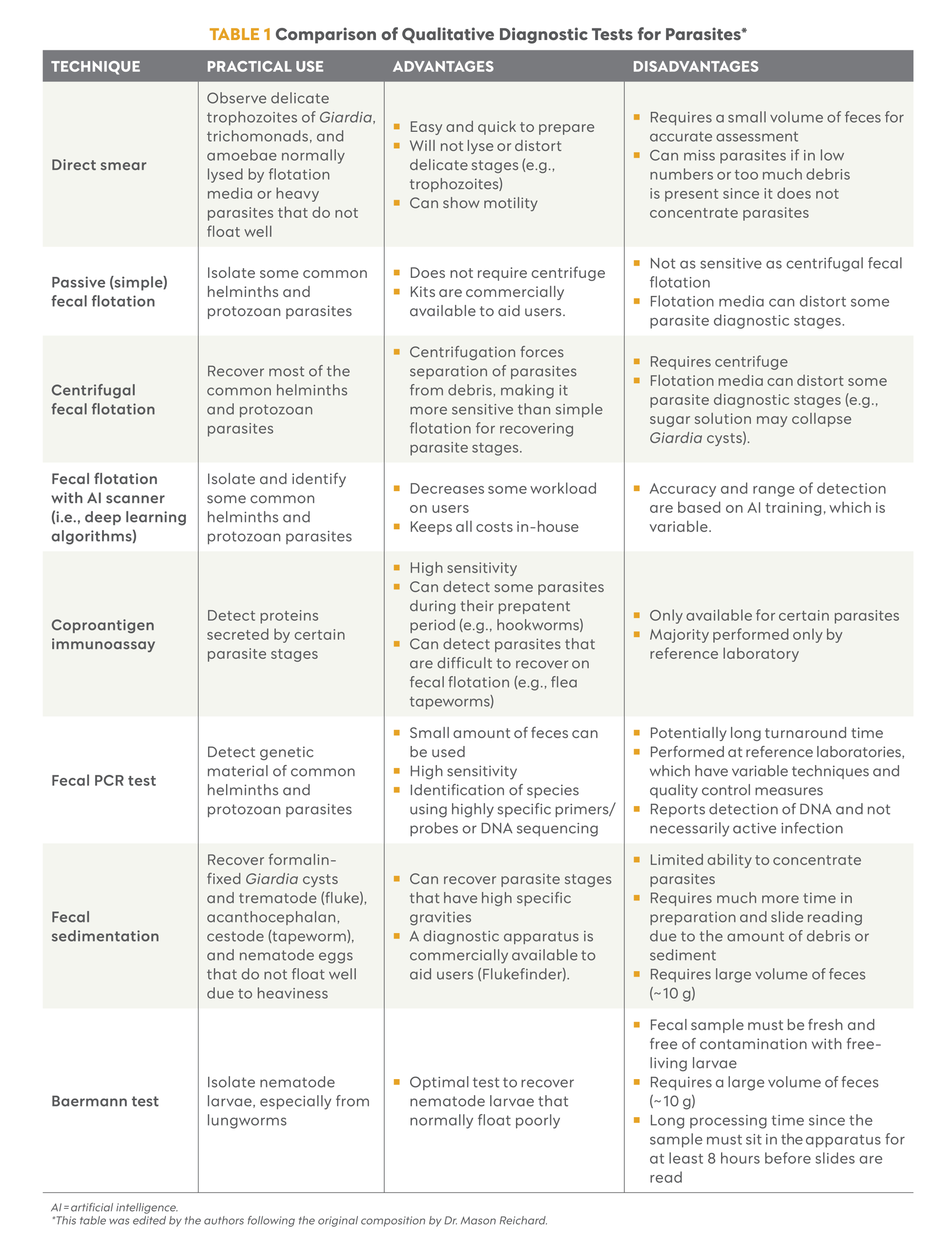
Fecal examinations are essential in veterinary practice for diagnosing parasites, providing insights into both the health of pets and the efficacy of treatments. As veterinary science evolves, the range of fecal examination methods has expanded, each offering unique advantages and limitations that contribute to more accurate diagnostics.
Understanding Fecal Diagnostics
Endoparasites, such as hookworms and Giardia, continue to be a concern for pet owners, regardless of the animal's history with preventive care. With recent surveys indicating that a notable percentage of dogs and cats test positive for these parasites, fecal examinations serve as a critical diagnostic tool. For instance, approximately one in five cats under two years old and more than 12% of cats aged five and under are found to harbor parasites, underscoring the necessity of regular testing.
Routine fecal exams not only help identify parasites but also evaluate the success of anthelmintic treatments, especially given the rising concern about anthelmintic resistance. By choosing the appropriate diagnostic method tailored to each clinical situation, veterinarians can detect parasites not covered by standard deworming protocols.
Techniques in Fecal Examination
Veterinary laboratories offer a variety of fecal examination techniques, each designed to enhance diagnostic accuracy while considering aspects like sensitivity and specificity.
Qualitative Methods
Direct Smear
This basic approach involves mixing a small amount of feces with saline on a microscope slide. It's suitable for identifying delicate organisms, such as Giardia trophozoites, but often lacks sensitivity, so results should be interpreted cautiously and may require further testing if parasites are not detected.
Fecal Flotation
Flotation techniques allow for the visualization of parasite eggs through various methods, including passive and centrifugal flotation. Centrifugal flotation is generally superior, recovering more eggs than passive methods due to enhanced egg concentration. The choice of flotation solution is key, as specific gravities of solutions must exceed that of the parasite eggs being targeted.
For example, zinc sulfate is favored for visualizing Giardia cysts because it distorts them less than other solutions. However, it may recover fewer helminth eggs; thus, understanding the characteristics of your flotation solution is vital for optimal results.
Advanced Diagnostic Techniques
Deep Learning Algorithms
Recent innovations like deep learning algorithms (e.g., Vetscan Imagyst) have emerged, demonstrating the ability to analyze fecal samples efficiently. This technology replicates the diagnostic precision of experienced parasitologists and is user-friendly, negating the need for extensive training.
Coproantigen Immunoassays
These tests provide a specialized approach to detect specific antigens from a range of intestinal parasites. Some coproantigen tests, notably for Giardia, can differentiate between life stages, enhancing diagnostic capabilities when used alongside conventional methods.
Fecal Polymerase Chain Reaction (PCR)
PCR offers a highly sensitive molecular technique that can identify parasite DNA, allowing for more definitive testing. However, it's important to remember that finding DNA does not confirm an active infection, as it may derive from nonviable organisms.
Fecal Sedimentation and Baermann Test
For parasites like trematodes that do not float with standard flotation techniques, fecal sedimentation is employed to isolate their eggs. Alternatively, the Baermann test is specifically used to extract larvae from fresh samples, although it requires precise handling and expertise in larval identification.
Quantitative Fecal Examination Techniques
In scenarios where anthelmintic resistance is suspected, quantitative techniques like the Modified McMaster method can quantify eggs per gram (EPG) of feces, which aids in treatment evaluation. Despite its utility, caution is advised as results can vary with low egg counts.
Final Thoughts
The evolution of fecal examination techniques reflects the growing complexity of diagnosing parasitic infections in companion animals. While traditional methods like flotation remain foundational, advances in molecular diagnostics and algorithmic analysis are paving the way for more accurate detection. Veterinary professionals must remain updated on these techniques to ensure optimal health outcomes for their patients, embracing both classic and modern approaches to parasite identification.
Discussion
Sign in to join the discussion.