Effective diagnosis and early treatment are key to managing feline infectious peritonitis, leveraging antiviral options for better outcomes.
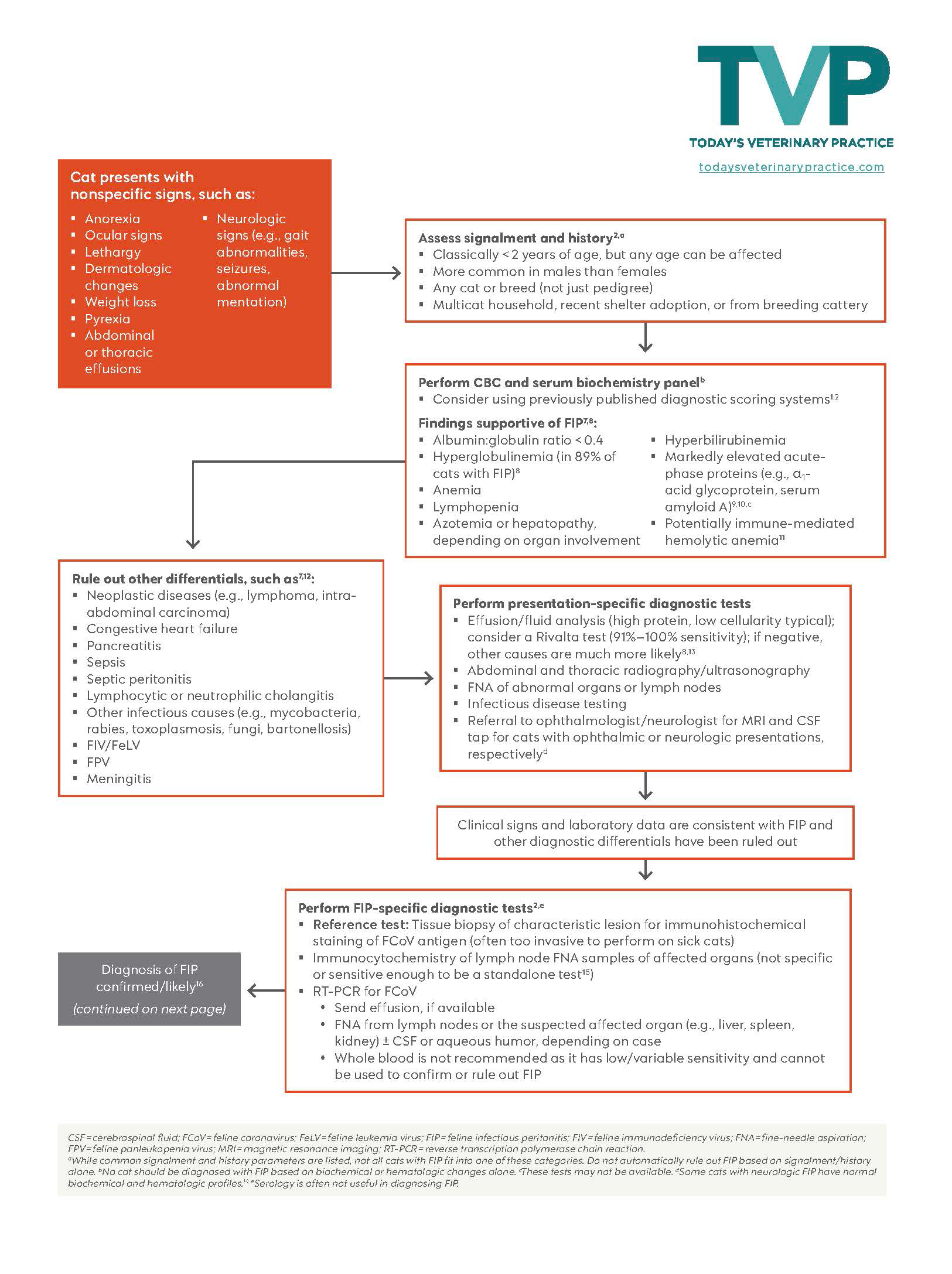
Diagnosing feline infectious peritonitis (FIP) poses significant clinical challenges, yet accuracy in early diagnosis is crucial for effective treatment. With antiviral therapies readily available, timely intervention can lead to favorable outcomes for cats diagnosed with FIP. The rise in awareness around FIP and its potential for severe consequences has brought renewed attention to veterinary practices, underscoring the importance of accurate diagnostic measures.
Diagnostic Considerations
Before diving into FIP-specific tests, it's essential to rule out other conditions that might present similar symptoms. Common ailments such as feline leukemia virus (FeLV) and feline immunodeficiency virus (FIV) can mimic FIP’s clinical signs, complicating the diagnostic process. Initiating antiviral treatment without thoroughly investigating these other possibilities can lead to misdiagnosis and subsequent treatment delays. In cases where FIP is strongly suspected but not definitively confirmed, such as situations lacking reverse transcription PCR results, veterinarians might consider trialing antiviral medications. If there's no improvement within a few days, further diagnostic evaluations should be pursued to identify alternative conditions. This cautious approach highlights the delicate balance between timely intervention and the necessity of accurate diagnosis in feline medicine.
Utilizing Scoring Systems
Expert-developed scoring systems can be invaluable in assessing the likelihood of FIP. For instance, the Brisbane score provides a quantitative approach to evaluate each patient’s symptoms and laboratory findings, enhancing the precision of diagnosis. Similarly, diagnostic scoring systems from the European Advisory Board on Cat Diseases lend support when FIP is under consideration. These tools aren't just for diagnostics; they bolster veterinarians' confidence in their clinical decision-making process. By providing a structured method for evaluation, these scoring systems can significantly reduce the chances of errant conclusions, which can sometimes be life-threatening for the feline patient.
Initiating Treatment
Once a definitive diagnosis is made or there's substantial suspicion supported by appropriate clinical data, treatment should commence without delay. The urgency is clear: FIP's rapid progression can lead to severe outcomes if left unchecked. Currently, two classes of antivirals are endorsed for FIP: nucleoside analogues, which include remdesivir and its active metabolite GS-441524, as well as molnupiravir. These antivirals have shown promise in clinical settings, offering the potential for recovery when administered early. Protease inhibitors like nirmatrelvir–ritonavir and GC376 may serve as secondary options or for particularly resistant cases, although more research is warranted on their effectiveness. The challenge therein is that while these treatments are a beacon of hope, their availability can vary greatly based on region and veterinary practices, which means access remains a concern for many cat owners.
Monitoring and Blood Tests
- Limit laboratory monitoring to reduce costs and minimize stress for the cat; if the cat shows clinical improvement via owner check-ins, consider follow-up tests 3–4 weeks post-treatment initiation.
- Pay special attention to previously abnormal values (e.g., hematocrit, packed cell volume, bilirubin).
- Expect normalization of albumin and globulin levels to take several weeks.
- Basic evaluations, such as CBC and serum biochemistry, are advisable at 6 and 12 weeks, with flexibility for adjustments based on treatment duration.
Monitoring blood test results during treatment becomes crucial for understanding how well the cat is responding to the therapy. The outlined tips provide practical guidelines, balancing the need for thoroughness with the emotional and financial stresses that can come from frequent vet visits. What this means for you, as a pet owner, is a less overwhelming approach while still ensuring the health and progress of your cat's treatment.
Future Implications and Outlook
The implications of improved diagnostic tools and antiviral treatments for FIP are significant, both for the veterinary field and cat owners. With a continued emphasis on research and advancements in virology, the potential for developing even more effective treatments looms on the horizon. Moreover, as veterinarians grow more adept in recognizing and diagnosing this disease, we may see decreased mortality rates associated with FIP, shifting perceptions about the illness from one of despair to hope.
That said, challenges remain. Access to treatments varies greatly, and the cost associated with advanced veterinary care may leave some owners unable to provide the necessary interventions. Ensuring equitable access to these life-saving therapies should be a priority for veterinary practices and policymakers alike. If you're working in this space or simply a concerned pet owner, fostering greater outreach and education about FIP will be vital in the coming years.
Referring to detailed reviews available online will enhance understanding of the nuanced approaches needed in diagnosing and treating this complicated disease. Online resources offer not just guidance but also community support, which can be invaluable during the trying times associated with managing FIP in beloved pets. (and this is the part most people overlook) Connecting with other pet owners can offer insights that text cannot convey, rooting your approach in both knowledge and compassion.
Discussion
Sign in to join the discussion.