Continuous glucose monitors are transforming diabetes management in pets, offering insights into glucose trends while presenting unique challenges for veterinarians.
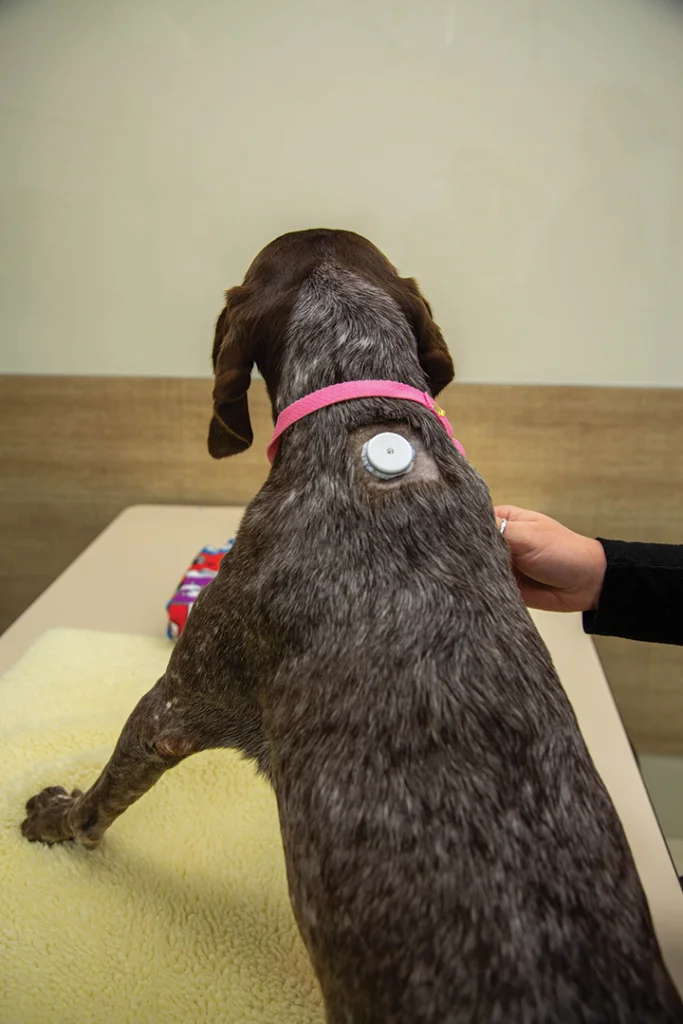
Continuous glucose monitors (CGMs) are reshaping how veterinarians manage diabetes mellitus in cats and dogs. Traditionally, practitioners relied on in-hospital blood glucose curves for assessment, but CGMs provide a more dynamic approach by focusing on interstitial glucose trends over time. This transition not only lessens the burden on clients with fewer hospital visits but also equips veterinarians with comprehensive insights, enabling more informed treatment decisions.
Currently, veterinary CGMs are primarily adapted from human-use technologies, particularly systems like the FreeStyle Libre. While there's also a CGM designed specifically for pets— the GluCurve Pet CGM by ALR Technologies—it's not widely available in every market yet. My focus here is on the FreeStyle Libre system, which has gained traction in veterinary practices.
Understanding CGM Products
CGMs are composed of small sensors inserted into the pet's skin, held in place by safe adhesives. These sensors continuously measure interstitial glucose concentrations and relay the data to a reader device or mobile app for easy monitoring. For veterinarians and pet owners, this technology simplifies glucose management and offers a clearer picture of fluctuations in glucose levels.
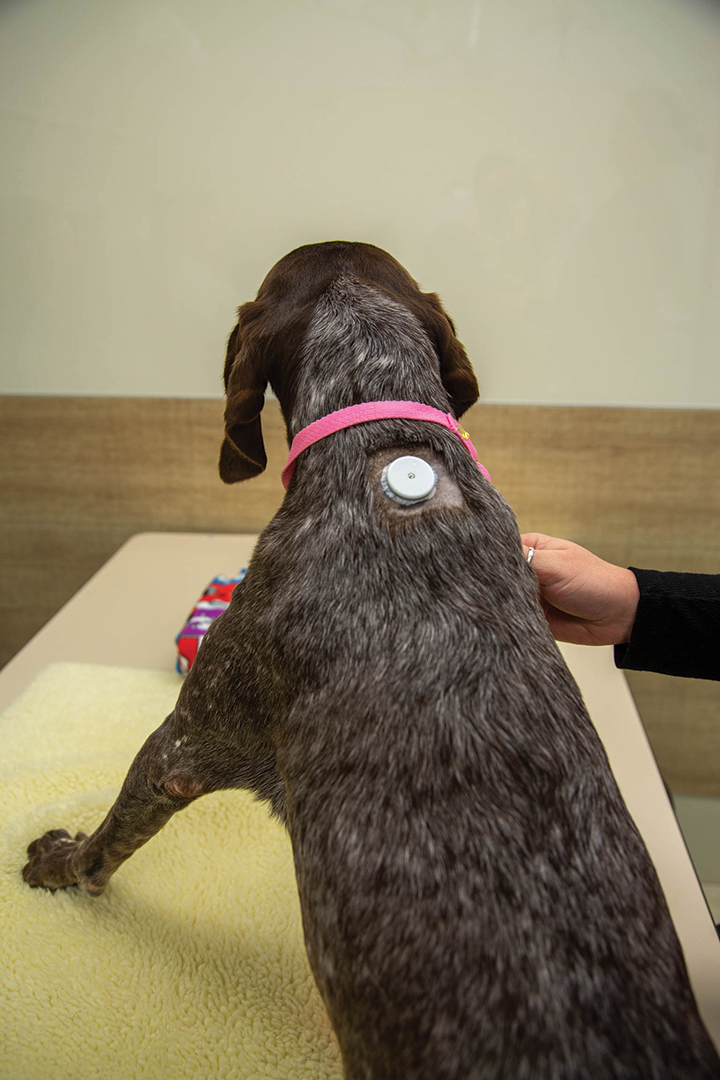
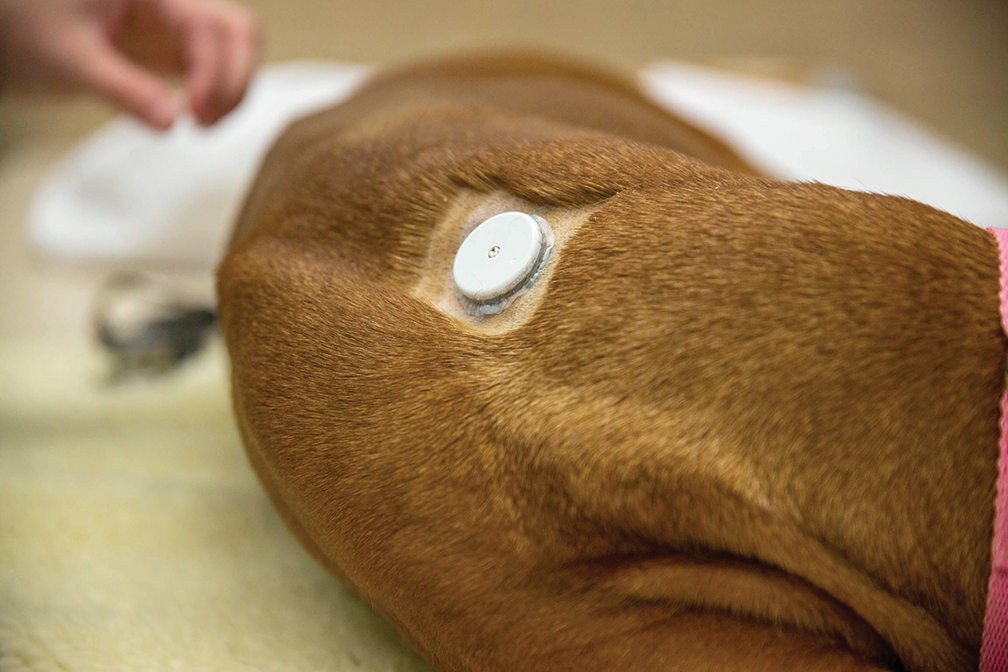
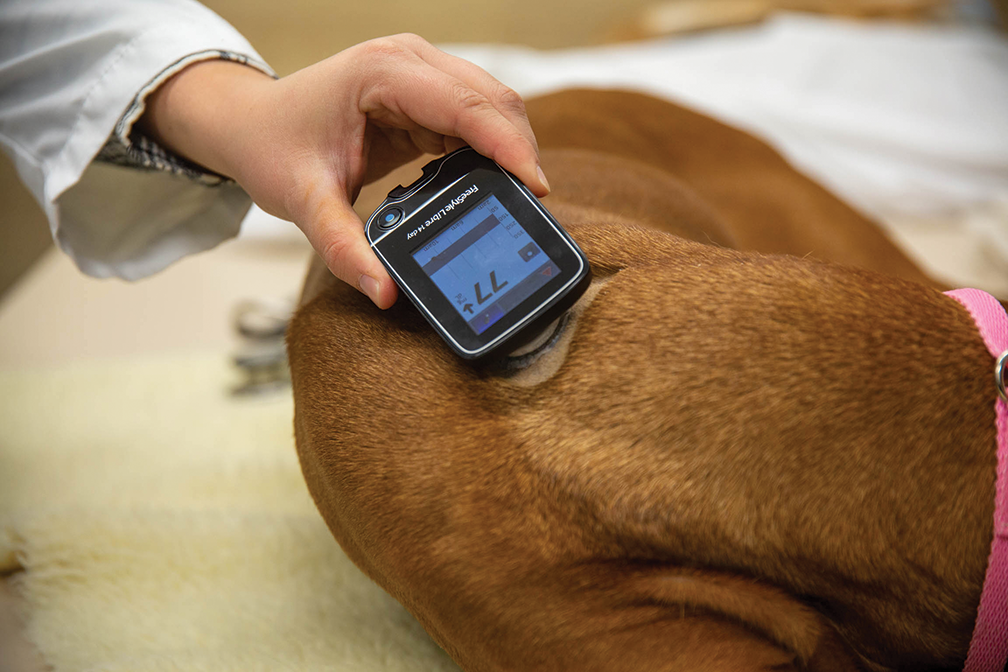
While CGMs offer significant advantages, such as showing glucose fluctuations rather than static single values, they present challenges that veterinarians need to navigate carefully. The FreeStyle Libre systems have specific protocols and limitations that differ from devices designed purely for veterinary use.
Clinical Accuracy and Reliability
Research indicates that while the first-generation FreeStyle Libre 14-day system provided acceptable clinical accuracy for both dogs and cats, the transition to newer versions like the FreeStyle Libre 2 and 3 introduces unknowns. Studies suggest that these newer sensors might have different reliability metrics, particularly during rapid glucose fluctuations. For instance, both the FreeStyle Libre 2 and FreeStyle Libre 3 have been shown to misestimate blood glucose levels, emphasizing the need for confirmatory blood tests especially during crucial treatment decisions.
In particular, a study involving healthy cats noted that the FreeStyle Libre 2 system often overestimated blood glucose during hypoglycemic episodes. Practitioners should remain cautious and consider using validated glucometers to confirm readings before making sudden treatment adjustments.
Challenges with CGM Use
Despite the benefits, integrating CGMs into veterinary practice isn't without complications. Mild dermatological side effects from sensor placement are common, including redness and crusting. There are also technical errors that can arise, like sensor dislodgment, which might necessitate replacement. A few extreme cases have reported severe complications, such as pneumothorax in emaciated animals following sensor placement, highlighting the importance of careful monitoring during device application.
Managing Expectations
It's critical for veterinary professionals to set realistic expectations with clients regarding CGM performance. Given the potential for sensor errors and dislodgment, while patients may not achieve the full monitoring period for which the sensors are designed, the data collected can still be valuable. Shifting focus from a fully realized timeline to the quality and quantity of data obtained can help temper frustrations.
Staying Informed and Vigilant
Veterinarians also need to stay aware of product recalls and changes in CGM technology. For example, Abbott's notification regarding certain FreeStyle Libre 3 sensors producing erroneous low readings underscores the importance of maintaining vigilance in both device selection and patient monitoring. The AVMA provides current information on product recalls and safety alerts, which is essential for maintaining patient safety during CGM use.
Conclusion
Incorporating CGMs into diabetes management for dogs and cats represents a significant evolution in care. Veterinary practitioners can benefit from embracing this technology while remaining vigilant about the nuances and challenges it presents. Given the variable accuracy among products, maintaining a critical eye on glucose trends rather than isolated readings will be key in achieving optimal patient outcomes. As new products emerge and technology evolves, continuous education and adjustment of treatment protocols will be necessary to harness the full potential of glucose monitoring in veterinary medicine.
Discussion
Sign in to join the discussion.