Fort Worth Zoo has welcomed two new gharial hatchlings, enhancing efforts to conserve this critically endangered species in North America.
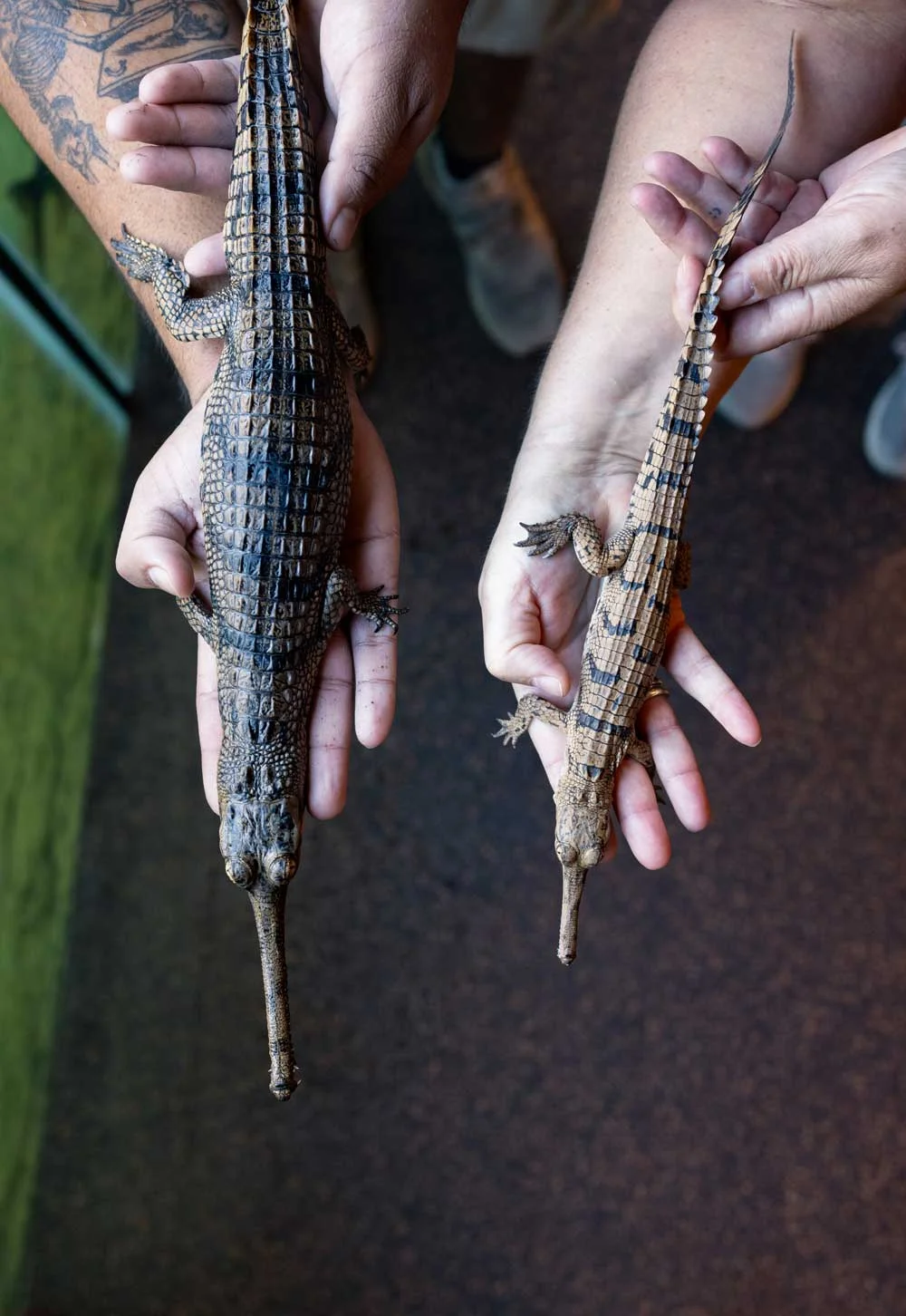
The Fort Worth Zoo is celebrating its latest achievement in animal husbandry with the hatching of two gharials (Gavialis gangeticus), one on June 16 and another on June 22. This marks the second consecutive year that the zoo has successfully hatched these critically endangered reptiles, positioning it as the only institution in North America to produce multiple gharial offspring in different generations. Both hatchlings originated from distinct females within the zoo's breeding program, which is crucial for improving genetic diversity among this threatened species.
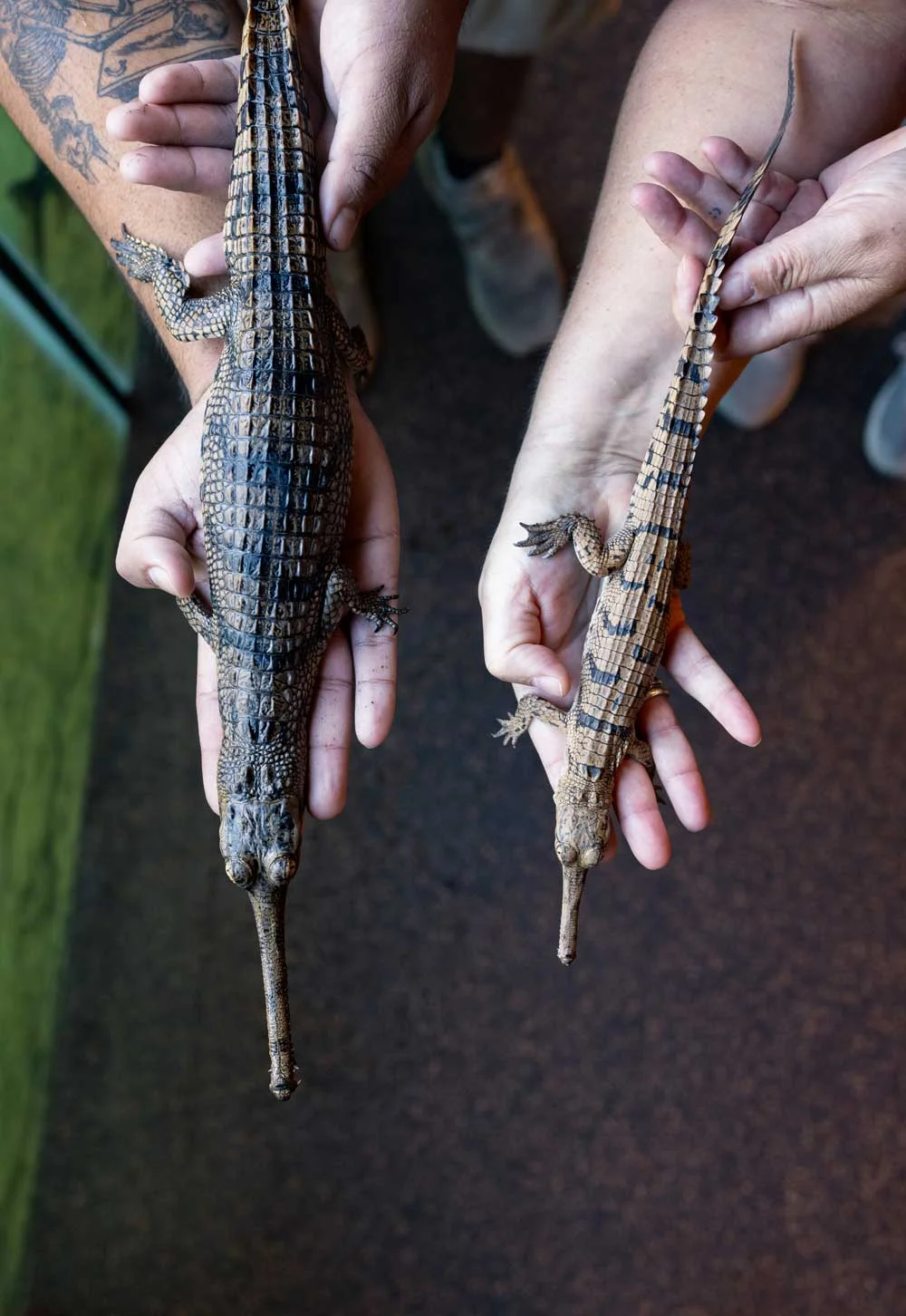
The hatchlings are about a foot long when they emerge. Photo by Fort Worth Zoo.
The Significance of the Achievement
Vicky Poole, the associate curator of ectotherms, expressed excitement over this achievement, stating, “Everyone here at the Fort Worth Zoo is ecstatic to have repeated success with our gharial hatchings for the second year in a row. Having two additional hatchlings is a big win for growing the gharial population in zoos and expanding knowledge to help this critically endangered species survive.”
This ongoing success in breeding gharials demonstrates the zoo's commitment to conservation and species preservation. Gharials aren't just any reptile; they're a living testament to the rich biodiversity of aquatic ecosystems. With their unique morphology and specialized diets, they serve as crucial indicators of environmental health. The Fort Worth Zoo’s efforts illustrate how captive breeding programs can not only revive population numbers but also contribute to broader conservation strategies for species at risk of extinction.
Current Status of Gharials
In North America, there are around 40 gharials residing in various zoos, while wild populations in Asia are estimated to number between 200 and 500 adults. These reptiles predominantly inhabit regions of the northern Indian subcontinent, specifically Pakistan, India, Nepal, Bangladesh, and Myanmar. Notably, they are typically found in river systems such as the Indus, Ganges, Brahmaputra, and Irrawaddy. Unfortunately, surveys conducted in 2008 and 2009 found no gharials in the Indus, indicating local extinction in some regions, including Bhutan and Pakistan.
It's a stark reminder of the precarious status of these reptiles. On one hand, you have the success at the Fort Worth Zoo, but on the other, many wild populations are crumbling. In a promising development, about 100 gharial hatchlings were spotted in Nepal's Bardia National Park in 2019, marking a significant breeding event after a 37-year hiatus. Still, less than 100 adult gharials are believed to remain in Nepal, with fragmented groups thought to exist in India. The survival of this species hangs in the balance, relying on both conservation programs in captivity and efforts to rehabilitate their natural habitats.
Characteristics of Gharials
Gharials possess a uniquely elongated snout, specialized for catching fish, insects, and crustaceans. Female gharials typically reach lengths between 8 to 10 feet, whereas males can extend up to 16 feet. Their specialized feeding habits illustrate their critical role in the aquatic ecosystems they inhabit, often earning them the nickname 'fish-eating crocodile.'
Their unique appearance and ecological role make them a fascinating subject of study, yet they also underscore the vital need for conservation initiatives. Gharials help maintain the ecological balance within their environments. As apex predators, their presence indicates a healthy food web, showcasing the interconnectedness of species. When gharials struggle, ecosystems can face dire consequences (and this is the part most people overlook): the decline of one species can lead to a cascade of detrimental effects on the habitat they occupy.
Future Outlook for Gharials
The future for gharials remains uncertain. While the Fort Worth Zoo's success story is encouraging, the broader implications for their wild counterparts are a different matter. Conservationists and zoologists often highlight the importance of not just breeding programs, but also habitat restoration and community engagement to curb threats such as poaching and habitat destruction.
If you're working in this space or are an advocate for wildlife conservation, the attention to both in-situ and ex-situ strategies will dictate the effectiveness of future conservation efforts. The Fort Worth Zoo's achievements are pivotal, but sustainable success hinges on extensive collaborations between zoos, wildlife organizations, and governments in the gharials’ native range.
Moreover, the conversation around climate change and its long-term impact on freshwater ecosystems cannot be ignored. Altered river flows and pollution can drastically affect gharial habitats and prey availability. Collaborative measures that integrate scientific research, public awareness, and legislative support will be paramount in safeguarding the future of these reptiles.
The post Fort Worth Zoo Celebrates Successful Hatching of Two Gharial Crocodiles appeared first on Reptiles Magazine.
Discussion
Sign in to join the discussion.