A tour guide in Florida captured video of an alligator dragging a large Burmese python, highlighting a significant predator-prey interaction in the Everglades.
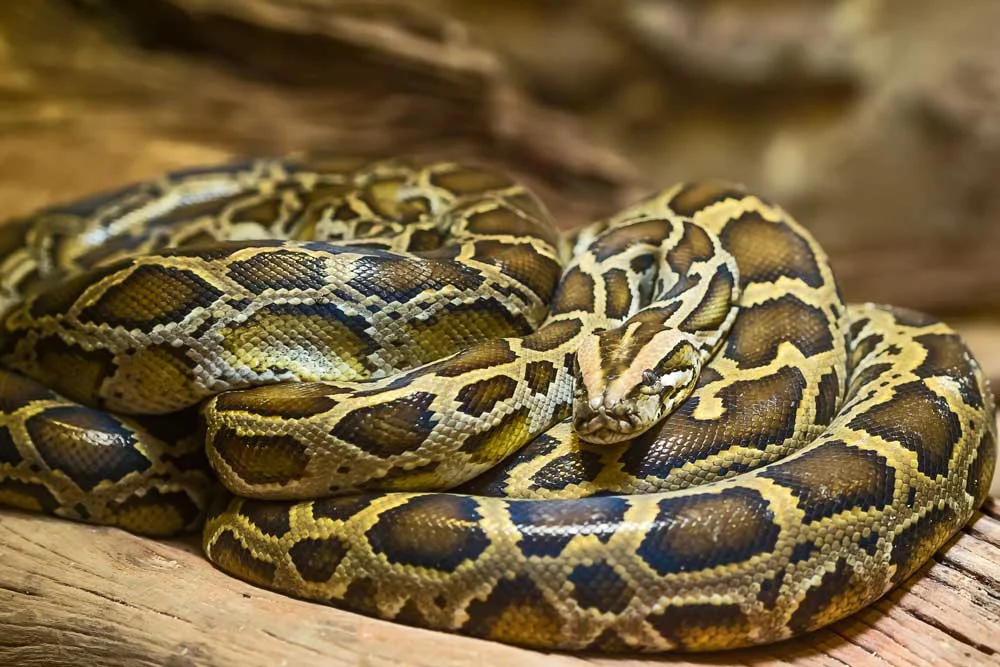
A remarkable encounter in Florida's Everglades National Park has garnered attention after tour guide Kelly Alvarez recorded a video showing an alligator, nicknamed Godzilla, swimming with a sizable Burmese python in its mouth. This event unfolded on Thanksgiving morning, captivating both tourists and wildlife enthusiasts alike.
Unexpected Discoveries in the Wild
The scene began with a child in Alvarez's group pointing out an unusual sight in the water. Initially mistaking it for a floating log, Alvarez quickly realized the alligator was struggling with a dead python, which was notably larger than the predator itself. “I have seen many alligators eating pythons out here. I have never, ever, ever seen a python that large,” Alvarez remarked in her conversation with USA Today.
Alvarez’s astonishment reflects not just a moment of surprise but also the unpredictability of wildlife encounters in a setting as rich and complex as the Everglades. The park is often viewed as a pristine wilderness, but beneath its surface lies a battleground where indigenous species struggle for dominance against invasive ones. Spotting an alligator with a python, and a larger one at that, isn't just entertaining; it’s emblematic of the larger ecological shifts happening in the region.
Understanding the Python's Size and Threat
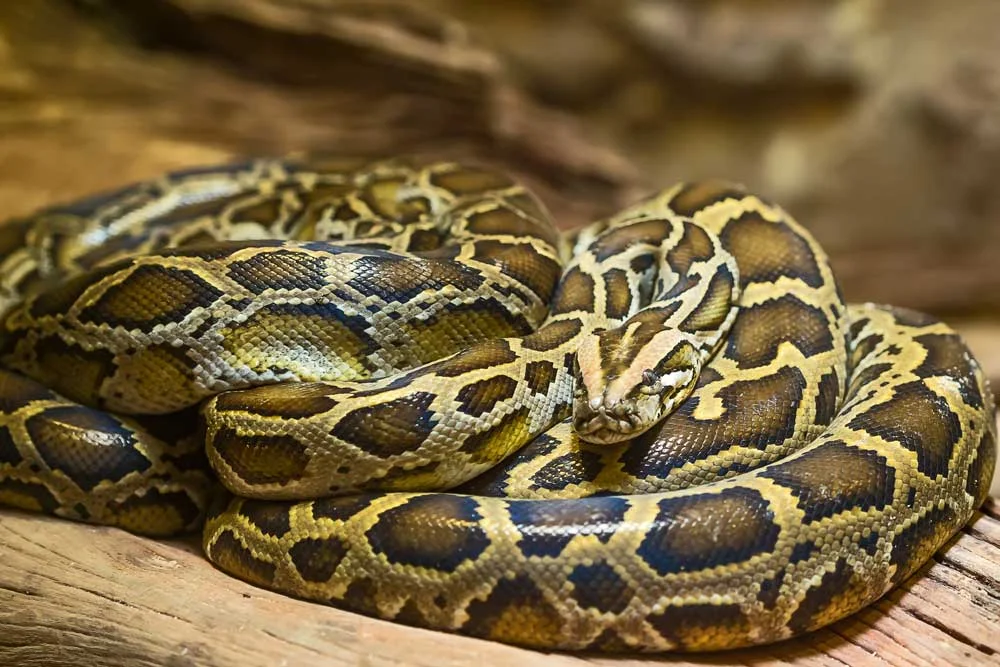
The Burmese python is an invasive species in Florida.
Alvarez estimated the python’s size to be around 20 feet, a significant indication of the threat these invasive species pose in Florida. This sighting isn't just a fascinating anomaly; it underscores the unique predator-prey dynamics in the ecosystem. American alligators are among the few predators that can effectively hunt mature Burmese pythons, which can grow to lengths surpassing 20 feet.
To contextualize this further, the Burmese python has wreaked havoc on local wildlife since its introduction to Florida in the 1980s. These snakes have no natural predators in the ecosystem, allowing their populations to flourish uncontrollably. Their feeding habits, which include preying on native species, disrupt the balance of this delicate ecosystem. If you're working in this space or studying ecology, the situation has dire implications, not only for the Everglades but for biodiversity as a whole.
Ecological Significance of Predator-Prey Dynamics
The increasing presence of Burmese pythons in the Everglades poses ecological challenges, as they disrupt local wildlife populations. Since 2013, efforts to manage these invasives have resulted in the removal of around 5,000 pythons from the area, leading to ongoing debates about the balance of natural predator-prey relationships. This issue isn't merely academic; it affects everything from the health of the ecosystem to the species that inhabit it.
In a broader ecological context, the American alligator, reaching lengths of 12 to 15 feet and weights exceeding 1,000 pounds, stands as one of the few species capable of taking down adult pythons. These encounters are critical for understanding how ecosystems adapt. As hatchlings, Burmese pythons face threats from various predators including cottonmouth snakes and bobcats, but adult alligators represent a significant risk. This natural check on their population is crucial, yet it highlights the ongoing struggle between invasive species and native wildlife.
Simplified Complexity: A Snapshot of Ecotic Interactions
This incident doesn’t merely illustrate a one-off encounter; it reveals the complexities that characterize ecotic interactions. The video of Godzilla dragging this massive python through the water serves as a vivid reminder of the challenges posed by invasive species and the adaptive strategies of local predators. You could say it’s a snapshot of survival, where every encounter counts, influencing both population dynamics and ecological health.
(and this is the part most people overlook) The ecological narrative here isn’t just about the survival of the fittest; it's about understanding the interconnected roles of each species within their environment. The alligator’s predation on the python isn’t just about food; it’s also about the restoration of balance in a habitat under threat.
Implications of Predator-Prey Relationships
There’s an underlying urgency to monitor these interactions more closely, especially as the climate continues to change. What this means for you, particularly if you’re involved in environmental science, conservation, or just an avid enthusiast of wildlife, is that keeping a vigilant eye on invasive species and their impact is imperative. The struggles between native and non-native species reflect larger environmental issues that could have cascading effects on the ecosystem.
As invasive species like the Burmese python become more prevalent, the role of apex predators such as the alligator becomes increasingly vital. While the alligator serves as a natural regulator, its ability to control python populations might provide a temporary solution rather than a permanent one. Balancing these relationships could help pave the way for strategies aimed at sustaining the Everglades’ unique biodiversity, though it won't be easy.
In the end, the image of an alligator combating a massive python emphasizes the intricate web of life, powered by survival instincts and ecological balance. It’s a reminder that every small battle contributes to a much larger war, one that involves the fate of entire ecosystems.
Discussion
Sign in to join the discussion.