Dexmedetomidine is a potent sedative with significant applications in small animal care, particularly for procedural sedation and pain management.
Dexmedetomidine, a highly selective α2-adrenoceptor agonist, has solidified its role in small animal veterinary practice by delivering reliable sedation and analgesia. Yet, its adoption among practitioners varies significantly; some embrace its benefits, while others remain hesitant due to concerns over cardiovascular side effects or a lack of familiarity with the drug.
For those who are well-versed in the pharmacological properties of dexmedetomidine, it's clear that appropriate patient selection and vigilant monitoring can mitigate risks. This potent agent not only provides dose-dependent sedation but also has the unique advantage of reversibility, making it a versatile tool in veterinary anesthesia and pain management.
Mechanism of Action
The pharmacological action of dexmedetomidine stems from its remarkable selectivity, offering an α2:α1 ratio of about 1620:1. It primarily exerts its sedative effects in the central nervous system by activating presynaptic α2 receptors located in the locus coeruleus, reducing norepinephrine release. This leads to a marked decrease in arousal levels.
While its analgesic qualities are recognized, the underlying mechanisms remain somewhat elusive. Studies suggest that pain relief largely occurs through receptor action in the spinal cord, showcasing a dual role that enhances its clinical utility.
Pharmacokinetics and Pharmacodynamics
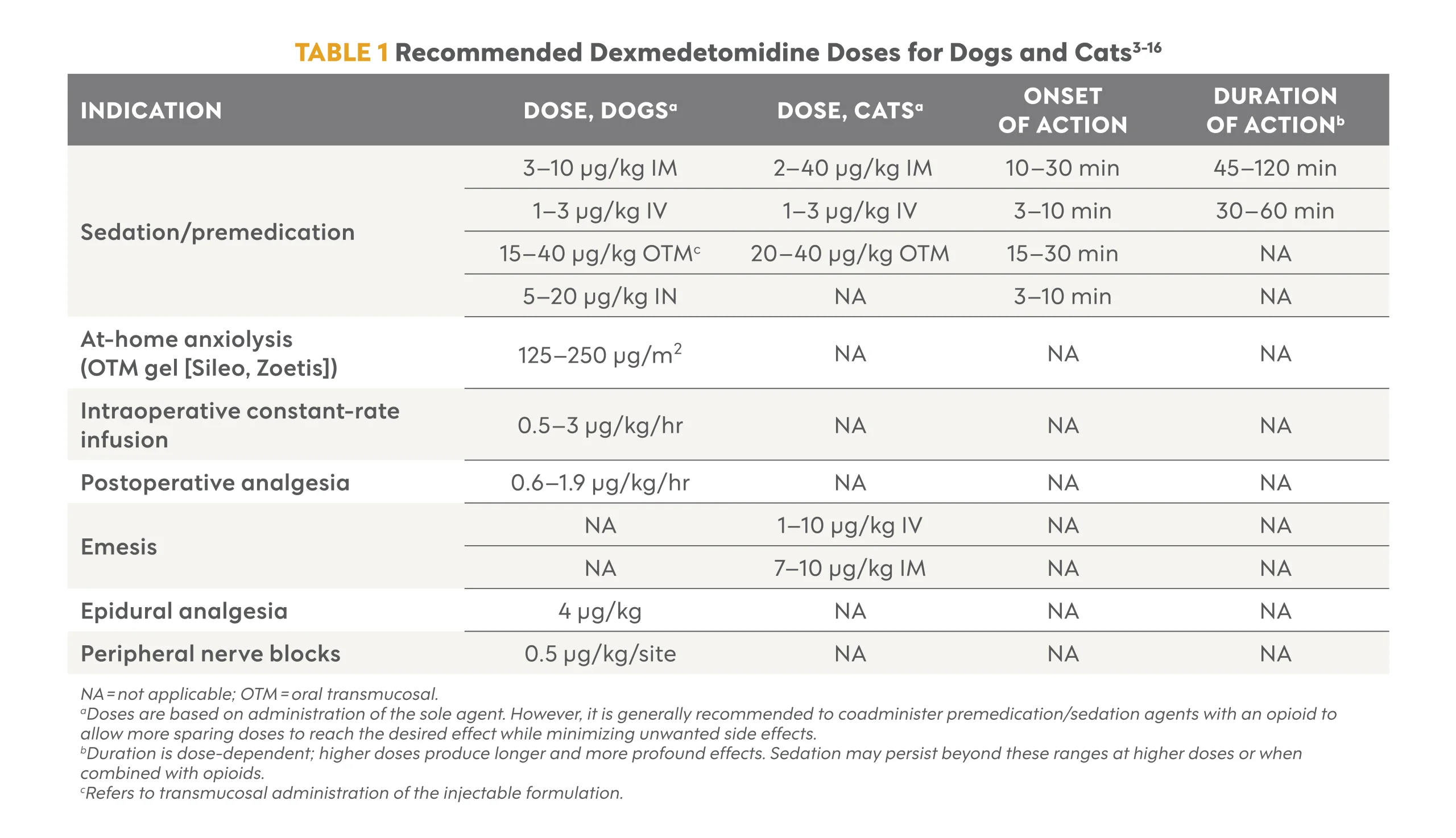
The pharmacokinetics of dexmedetomidine changes depending on the chosen route of administration—whether intravenous, intramuscular, or transmucosal. Intravenous and intramuscular methods yield faster, more predictable results, while transmucosal administration requires substantially higher doses to achieve similar sedation levels due to lower bioavailability.
This agent is quickly metabolized in the liver, with a reasonable elimination half-life keeping it within a manageable window. However, practitioners must be cautious, as compromised liver function can prolong its effects and necessitate more intense monitoring.
Physiological Effects
Dexmedetomidine induces a biphasic cardiovascular response characterized initially by increased vascular resistance leading to bradycardia, later transitioning to sustained bradycardia with reduced cardiac output. These responses highlight the importance of careful patient assessment, particularly in animals with heart conditions. Typically, moderate respiratory depression is less of a concern at recommended doses, putting a stronger emphasis on cardiovascular vigilance.
Administration Routes and Formulations
This agent's flexibility is evident in its various formulations, from multidose injectable solutions to preservative-free vials and oral transmucosal gels like Sileo, designed for at-home anxiety management in dogs. This broad array allows for tailored sedation plans based on individual patient needs and circumstances.
Clinical Applications
In practice, dexmedetomidine serves multiple roles. As a premedicant, it eases patient preparation by facilitating procedures requiring sedation, from minor diagnostics to more invasive surgeries. Its ability to reduce the required dosages of general anesthetics through an isoflurane-sparing effect makes it a valuable asset in anesthesia protocols.
Moreover, when combined with opioids, dexmedetomidine’s sedative and analgesic effects are enhanced synergistically, creating a smooth, safe anesthetic experience. However, practitioners must be aware of a ceiling effect—the sedation level plateaus at higher doses while cardiovascular impacts continue to rise, emphasizing the need for meticulous dosing.
Postoperative Management and Monitoring
Monitoring during and after dexmedetomidine administration is critical. Guidelines recommend continuous oversight akin to that required for general anesthesia, employing cardiovascular and respiratory metrics to ensure patient safety. Should bradycardia occur, particularly with hypotension, treatment protocols must be in place, and the potential use of anticholinergic agents should be analyzed on a case-by-case basis.
Reversal Strategies
Reversibility is a significant attribute of dexmedetomidine, achievable via atipamezole, an α2 antagonist designed specifically for this purpose. Care must be taken during administration as recovery from sedation may not equate to postcardiovascular stabilization, necessitating continued vigilance post-reversal.
Although the bradycardia induced may not always warrant intervention, significant hypotension necessitates prompt treatment. Practitioners should remain cognizant of the potential for adverse reactions post-reversal, including tachycardia and sedation rebound, underscoring the dexmedetomidine's multifaceted profile.
Conclusion and Future Considerations
Dexametomidine's role in veterinary medicine extends beyond routine sedation. Its versatility touches various aspects of patient care, from premedication and pain management to post-surgical recovery. With proper understanding, it can be an invaluable addition to the veterinary formulary.
Bringing a well-rounded approach to its applications entails balancing its benefits against potential risks, tailored closely to individual animal needs and conditions. With emerging research, the applications of dexmedetomidine could further expand, reinforcing its value in enhancing veterinary practices.
Disclosure: Dr. Goodwin has received research support from Zoetis.
Discussion
Sign in to join the discussion.