New research highlights the potential of MF-ICC in diagnosing FIP, improving accuracy while addressing prior diagnostic limitations.
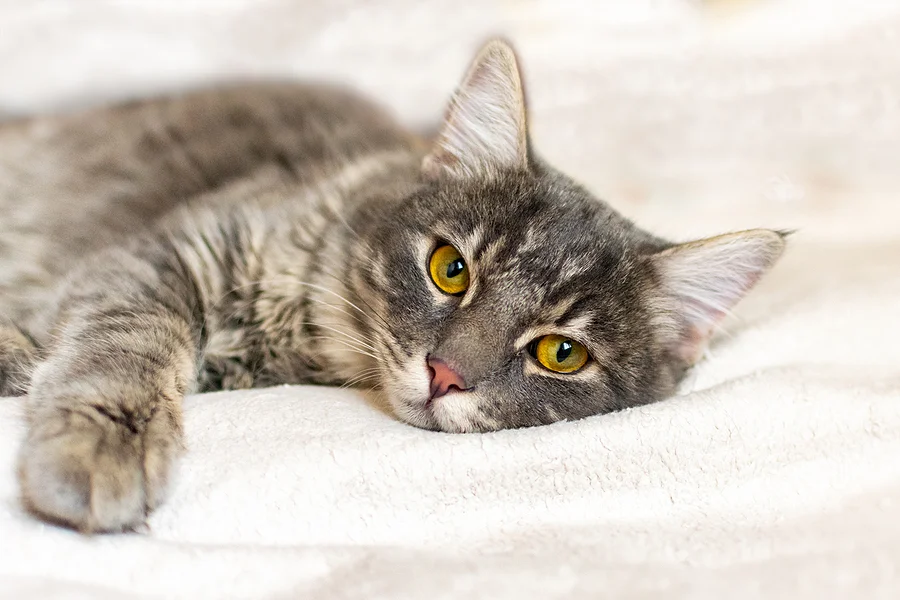
Feline infectious peritonitis (FIP) used to spell doom for affected cats, but recent advancements in antiviral treatments have reshaped the landscape of this diagnosis. However, the absence of a universally reliable antemortem test remains a barrier, complicating timely treatment options for veterinarians and pet owners alike.
Dr. Samantha J.M. Evans, a clinical pathology professor at Colorado State University (CSU) and lead author of a key diagnostic study on FIP, emphasizes the urgency for accurate diagnoses given the availability of treatment: “FIP is extremely diagnostically challenging, particularly the noneffusive form. It's more crucial now than ever to get a diagnosis because we actually have therapeutic options.”
Novel Approach with Multiplex Fluorescent Immunocytochemistry
The study introduced a new diagnostic tool: multiplex fluorescent immunocytochemistry (MF-ICC), designed to detect feline coronavirus antigens in macrophages. This method circumvents the need for a surgical biopsy, which is often impractical in unstable patients.
While MF-ICC stood out as the most accurate among the diagnostic methods assessed, Dr. Evans is cautious to label it as a definitive solution. “It is not a panacea,” she asserts. “We're not relying on a single test; rather, it's a combination of clinical signs and various diagnostic tests that collectively suggest FIP." The nuanced understanding of this diagnostic tool is important for its application in clinical practice.
The Challenge of Diagnosing FIP
Feline coronavirus is ubiquitous, particularly in multi-cat settings, and most cats exposed never develop FIP. Traditional diagnostic techniques, such as RT-PCR and serology, often detect exposure to the virus without confirming if it leads to systemic disease. Histopathology paired with immunohistochemistry provides definitive results but typically requires invasive procedures.
MF-ICC takes a different approach. By using fluorescent antibodies, the assay simultaneously identifies both the viral antigen and vimentin, a marker that indicates the presence of macrophages—the key cell type involved in FIP. This innovative aspect allows for more accurate identification of FIP cases.
Dr. Benjamin Curtis, a co-author from the University of Michigan, highlights the benefits of MF-ICC: “It's minimally invasive. Collecting fluid or doing a needle aspirate is much easier than performing a tissue biopsy. Plus, it leverages the gold standards of immunohistochemistry, showing viral antigens within the specific cells associated with FIP.”
Research Findings
The clinical trial involved 84 cats—58 diagnosed with FIP and 26 control cases with other illnesses. Researchers evaluated MF-ICC against RT-PCR, serology, and the serum albumin-to-globulin ratio, determining diagnoses through necropsy and histopathological findings.
MF-ICC delivered promising results with 77% sensitivity and 81% specificity, demonstrating a 92% positive predictive value and a 53% negative predictive value, with an overall accuracy of 78%. For comparison, the albumin-to-globulin ratio, serology, and RT-PCR showed accuracies of 76%, 75%, and 69%, respectively.
One remarkable finding was that even a single dual-positive cell could affirm a diagnosis of FIP. Dr. Evans expressed surprise: “A single virus-infected cell provided significant information to distinguish FIP from other diseases.” Furthermore, the test's sensitivity varied with sample type; it was particularly effective in tissue samples from non-effusive FIP cases.
Importance of Timely Diagnosis
The stakes are significantly higher when FIP is involved. Before effective antiviral treatments were available, an uncertain diagnosis often led to discussions of euthanasia. Nowadays, delays in diagnosis can prevent timely initiation of lifesaving treatments and could result in costly erroneous treatments for the wrong condition.
Dr. Curtis emphasizes the need for speed: “Having a swift diagnostic turnaround can be critical. Instant answers allow veterinarians and owners to make informed decisions about treatment or other necessary options.” Dr. Petra Černá, a co-author from the University of Georgia, has noted instances where cats were treated unnecessarily for weeks due to misdiagnosis. “It's essential to have rapid, accurate tests to ensure we’re providing proper care,” she underscores.
From Laboratory Test to Practical Application
While MF-ICC is not intended for in-clinic use presently, CSU aims to provide this assay through its Veterinary Diagnostic Laboratory, gathering more data on its effectiveness as it becomes more widely available. “We’re planning to offer a panel of tests, including MF-ICC and PCR, to help veterinarians more effectively diagnose FIP,” Dr. Evans states.
Dr. Curtis notes that the method is not proprietary and could be adopted by other diagnostic laboratories, thereby improving accessibility and turnaround times for veterinarians.
Future Directions in FIP Management
With advances in diagnostics, research must continue to evolve, particularly concerning FIP cases that do not respond as anticipated. Dr. Černá highlights the importance of managing complications in critically ill cats who may have concurrent health issues. “We need to better understand how to treat these comorbidities to improve overall outcomes,” she asserts.
Long-term tracking of treated cats is also vital, as some may experience subsequent health issues post-treatment. “We’re still learning about the long-term effects of FIP therapies,” Dr. Černá remarks.
The essential takeaway for practitioners is that while FIP remains a challenging diagnosis, the development of tools like MF-ICC enhances diagnostic confidence and, ultimately, patient care. “There's no perfect solution yet,” Dr. Evans observes, “but each new piece contributes significantly to unraveling this puzzle.”
A graduate of the University of Miami, Keith Loria is a D.C.-based, award-winning journalist who has been writing for major publications for close to 20 years on topics as diverse as veterinary medicine, travel, and entertainment. Loria started his career with the Associated Press and has held senior editorial positions at publications focused on healthcare, sports, and technology.
References
- Evans SJM. The Shifting Paradigm of Feline Infectious Peritonitis: New Diagnostics and Therapeutics. Vet Clin North Am Small Anim Pract. 2026 Jul 30:S0195-5616(26)00082-3. doi: 10.1016/j.cvsm.2026.06.003. Epub ahead of print. PMID: 42532773.
Discussion
Sign in to join the discussion.