Nutritional strategies focused on protein management and prebiotics can significantly reduce uremic toxin levels in cats suffering from chronic kidney disease.
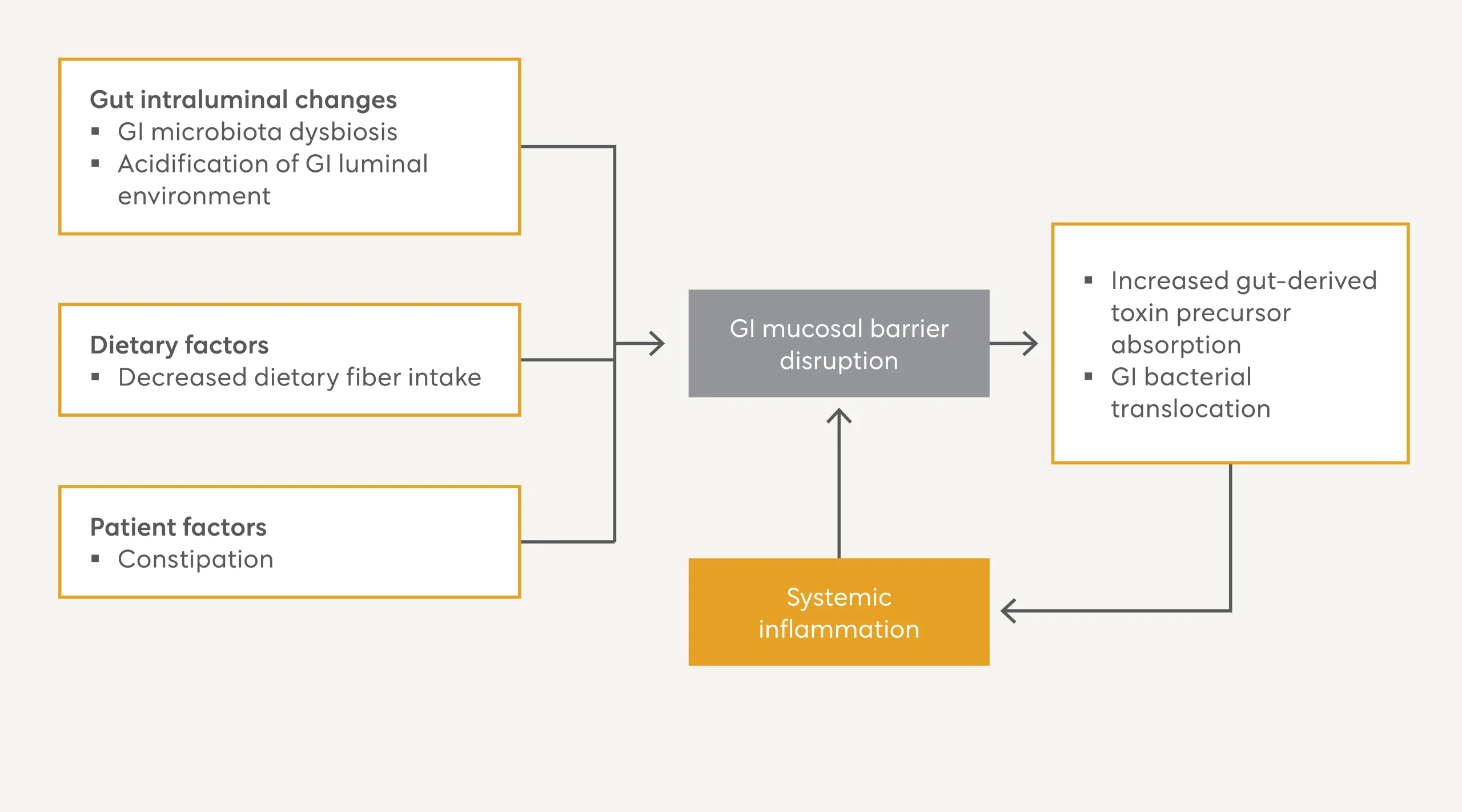
Uremic toxins play a pivotal role in the deterioration of health in cats diagnosed with chronic kidney disease (CKD). While blood urea nitrogen (BUN) and creatinine are commonly measured indicators, there are approximately 100 other metabolites contributing to uremic symptoms. Notably, toxins such as indole-3-acetic acid and indoxyl sulfate have garnered attention for their clinical implications in both feline and human CKD.
In healthy cats, the excretion of these gut-derived toxins is efficiently managed by renal filtration. However, the accumulation of these substances in CKD patients is directly correlated with the decline in glomerular filtration rate. Various gastrointestinal and dietary aspects exacerbate toxin production and absorption, complicating the management of renal health in these animals.
Understanding Uremic Toxins in Feline CKD
Recent inquiries into the relationship between gut-derived toxins and CKD progression in cats indicate that rising serum levels of certain toxic compounds correlate with the severity of the disease. Elevated toxin levels may not only signify CKD's progression but could also serve as indicators for predicting its onset. Some toxins exert negative effects on renal antioxidant mechanisms, which can exacerbate inflammation and tubular damage.
Moreover, the consequences of uremic toxin buildup extend beyond just the kidneys; they contribute to various metabolic disturbances, like mineralization, anemia, and malnutrition, positioning nutritional management as a critical aspect of treatment.
Nutritional Strategies to Address Toxin Accumulation
Addressing the high levels of gut-derived toxins requires targeted nutritional interventions. Tactic-wise, three primary approaches emerge:
- Reducing dietary ingredients that convert into uremic toxins.
- Modifying the gut microbiota to limit the production of toxic metabolites.
- Minimizing the absorption of already-formed toxins.
Here are specific dietary components that can be adjusted to achieve these interventions.
Protein Management
A longstanding approach in managing CKD in cats has involved restricting protein intake while balancing phosphorus levels. However, since many gut-derived toxins stem from protein, a careful reduction of protein may also mitigate toxin formation. Studies suggest that while lower protein diets are essential, the degree of restriction remains an individualized concern that should align with the cat's current dietary intake and clinical response.
High-quality proteins should be prioritized to prevent undigested proteins from reaching the colon, where they could lead to increased toxin production. The quest for a diet that effectively balances protein restriction while still fulfilling essential amino acid needs for obligate carnivores like cats can be challenging, especially given the variability in digestibility across different food brands.
Prebiotics and Fiber
Many therapeutic diets for CKD cats feature low fiber content, though this can vary. It's essential to analyze the fiber sources beyond mere crude fiber figures, which can be misleading regarding the complete dietary fiber available. Increasing the intake of fermentable prebiotic fibers has been associated with beneficial outcomes, as they play a critical role in fostering healthy gut bacteria and maintaining intestinal integrity.
Research conducted on other species indicates that water-soluble fibers outperform insoluble fibers in reducing circulating toxins. Thus, dietary formulations that include beneficial prebiotic sources—such as chicory root or fructooligosaccharides—are recommended for managing uremic conditions effectively.
Absorbents and Probiotics
Introducing gastrointestinal absorbents into the dietary regimen offers a novel strategy to combat toxin absorption. A notable product, Renaltec, has shown promise in decreasing circulating toxin levels in both healthy aging cats and those with CKD. While this treatment approach is still under investigation, early data suggest it may also support beneficial changes in gut microbiota.
Probiotics, while less validated in feline applications, may offer some benefits in managing gut-derived toxins through improved gut bacteria balance and enhanced mucosal barrier function. However, clinicians should remain cautious regarding the quality and efficacy of probiotic products, as variability exists among different brands.
Conclusion
The dietary management of uremic toxins is integral to improving the quality of life for cats suffering from chronic kidney disease. Early interventions that focus on tailored protein intake, prebiotic fiber inclusion, and potential absorbent use show promise. Future research into the long-term impacts of these nutritional modifications on toxin levels and overall feline health is essential for refining treatment protocols in CKD management.
Discussion
Sign in to join the discussion.