Explore the emotional and instinctual reasons behind dogs' cuddling behavior and how it strengthens their bond with humans.
Why Do Dogs Like to Cuddle?
When you unwind after a long day, your dog often seeks your side, curling up close as if they need that contact more than anything else. It’s a familiar scene that highlights their deep-rooted habits.
Dogs, being pack animals, thrive on the safety and warmth of being close to their beloved humans. While instinct plays a significant role, the emotional connections they forge through cuddling add another layer to this behavior.
The Instinctive Roots of Cuddling
The act of cuddling is far from arbitrary; its origins lie in survival mechanisms and socio-behavioral traits developed over many generations.
1. Pack Behavior and Group Living
In the wild, dogs huddled for warmth and security, instincts that have been preserved. Your home serves as their pack, making close contact a natural aspect of their daily lives.
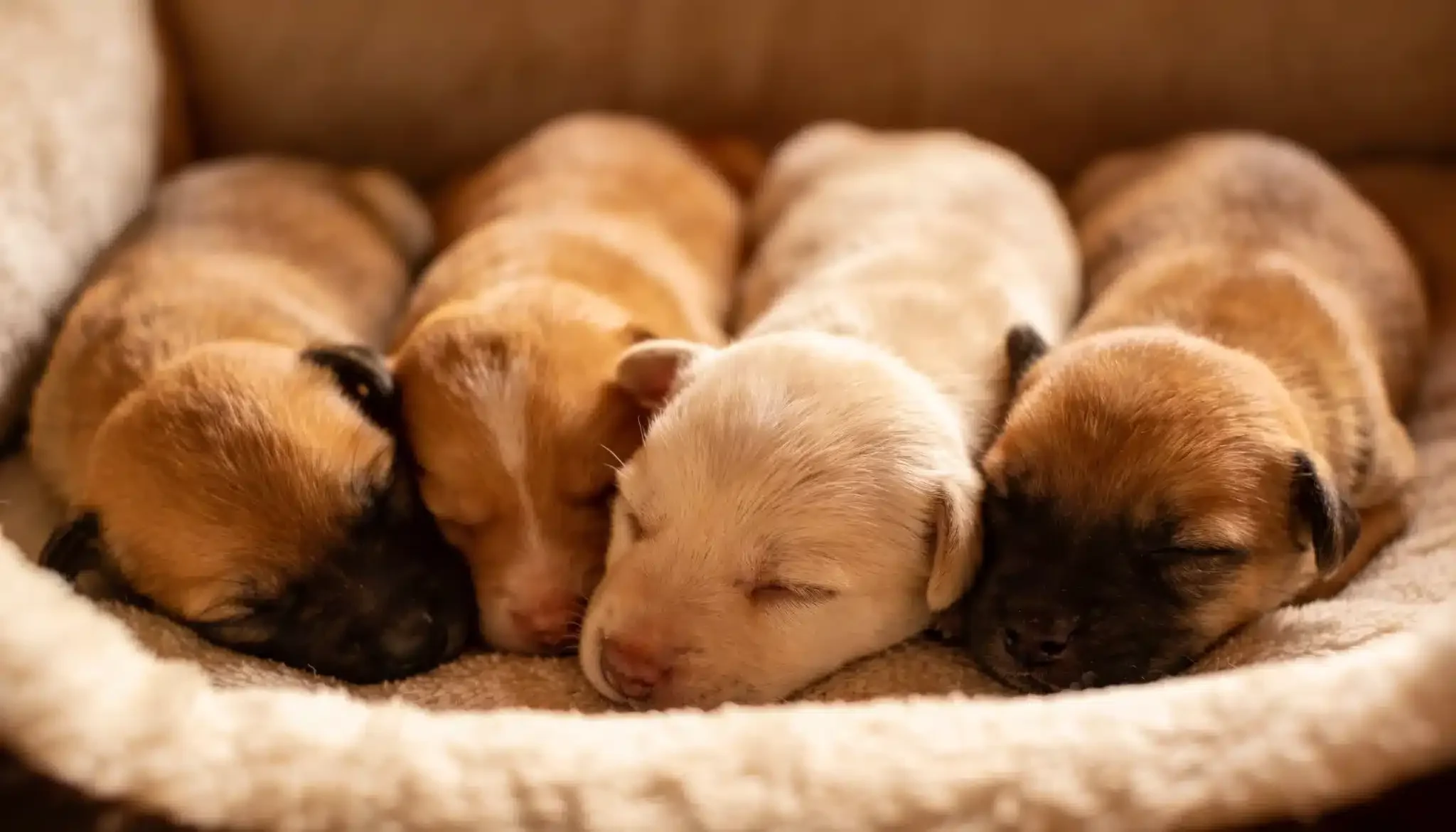
2. Early Dependence on Littermates
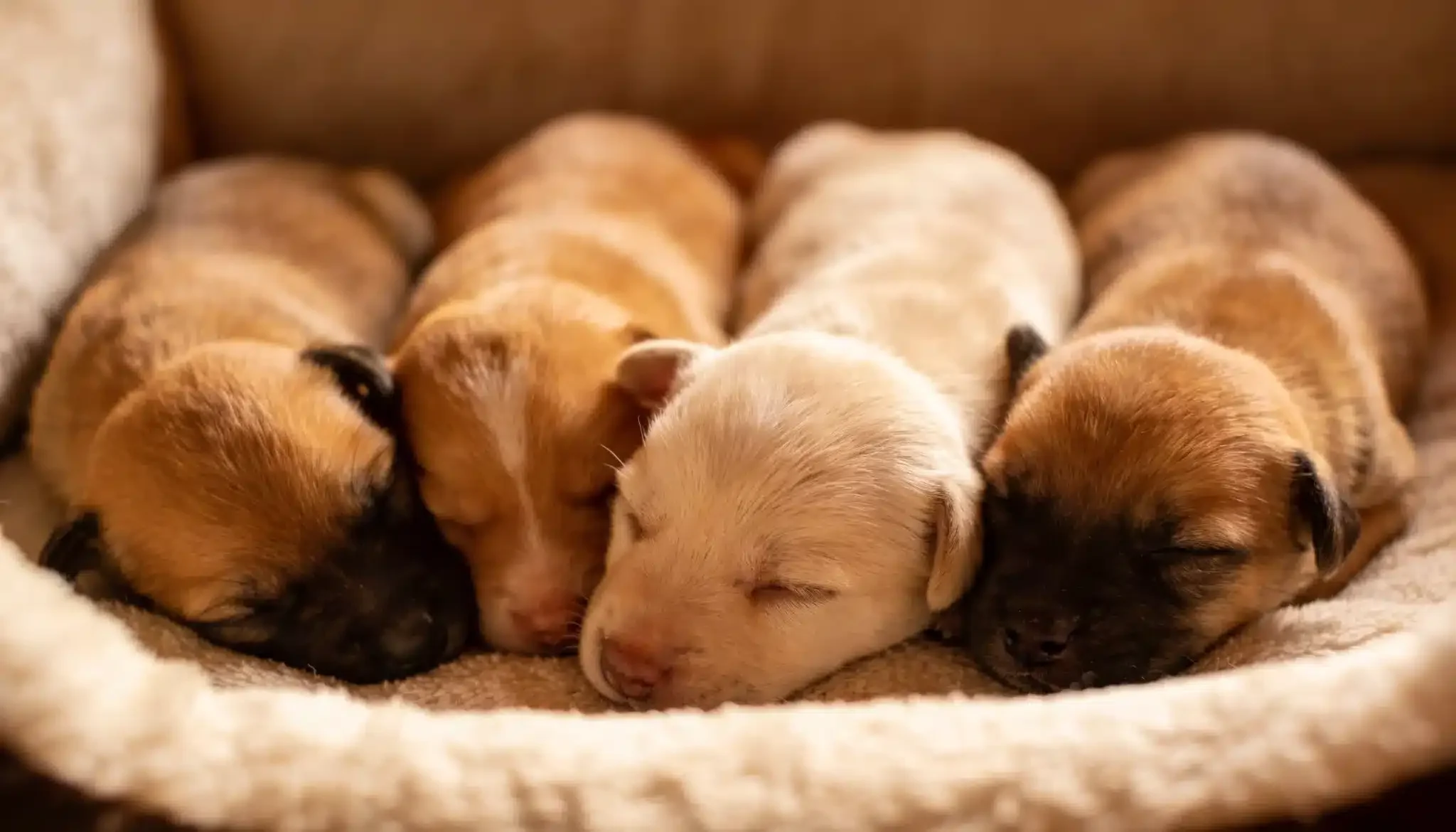
From their earliest moments, puppies are cradled in warmth and connection with their siblings. This need for closeness doesn’t vanish as they grow; it subtly evolves into their adult behavior.
3. Transition from Wild to Domestic Life
As dogs transitioned from living in packs to becoming family members, the urge to stay close didn’t fade. Instead, it transferred from their canine families to their human companions.
The Emotional Dynamics of Cuddling
Beyond instinctual behavior, dogs express genuine emotional needs through physical closeness that fosters connection and reassurance.
1. Building Attachment and Trust
The physical act of cuddling is a primary way dogs establish trust with their humans. Each time they lean against you, they’re reaffirming a bond that strengthens over time.
2. Alleviating Stress and Anxiety
Dogs feel stress, just like us. Changes in their environment, loud noises, and unfamiliar situations can cause anxiety, sending them seeking human contact for comfort. Remaining close to you can calms them down.
3. Intuition About Human Emotions
Dogs are surprisingly attuned to their owners' moods. Subtle shifts in your demeanor often prompt them to offer companionship during tough times, indicating an instinctual desire to provide comfort.
The Scientific Basis Behind Cuddling
There's a biological foundation for why dogs crave closeness. Research highlights several physiological responses triggered through cuddling.
Oxytocin Release and Bonding
Physical contact with a familiar human stimulates the release of oxytocin—a hormone associated with bonding—which fosters a decreased sense of stress in both dogs and their humans over time.
Nervous System Reaction to Touch
A gentle touch can slow a dog’s heart rate and promote relaxation. For anxious dogs, these moments of contact can be vital for quick relief from stress.
The Rewarding Nature of Closeness
Curiously, dogs’ brains respond similarly to closeness as they do to experiencing food or engaging in play. The comforting effects of cuddling shape their natural responses over time.
Recognizing Cuddling Signals
Dogs exhibit various behaviors when it comes to seeking affection. Understanding these signals helps interpret their longing for closeness.
| Behavior | Description | Implication |
|---|---|---|
| Leaning into You | Your dog leans against you or lays their weight on your legs. | This indicates they seek your presence for comfort and reassurance. |
| Sleeping Proximate | Your dog settles down close or directly on you. | By choosing to rest in proximity, they’re expressing total trust and safety. |
| Nudging for More Attention | Your dog nudges your hand or body with their nose. | This is their way of asking for further affection; they crave the interaction. |
Variations in Cuddling Preferences
Not all dogs are inclined to cuddle equally, a behavior influenced by breed characteristics as well as individual experiences. For instance, some breeds like Cavalier King Charles Spaniels tend to be more affectionate, while others, like Huskies, may show love more selectively.
The environment in which a dog is raised plays a critical role in their inclination towards cuddling. Dogs exposed to affection tend to carry forward those needs into adulthood. Additionally, varying age stages—puppies, adulthood, and senior years—bring about different cuddling behaviors, reflecting their evolving need for safety and comfort.
Understanding When Dogs Want Space
Dogs are experts at communicating their desires and feelings. If you push for closeness when they aren't inclined, it can undermine the trust you've built. Recognizing their boundaries is essential for fostering a genuine bond.
- Turning Away: If your dog moves away when you approach, they may need some solitude.
- Tension: If they stiffen up during contact, that's a signal they're uncomfortable.
- Posture Changes: Flattened ears or a tucked tail indicate unease; they prefer not to be touched.
- Stress Cues: Behaviors like yawning or licking lips can signify stress, which shouldn't be ignored.
Encouraging Comfortable Cuddling
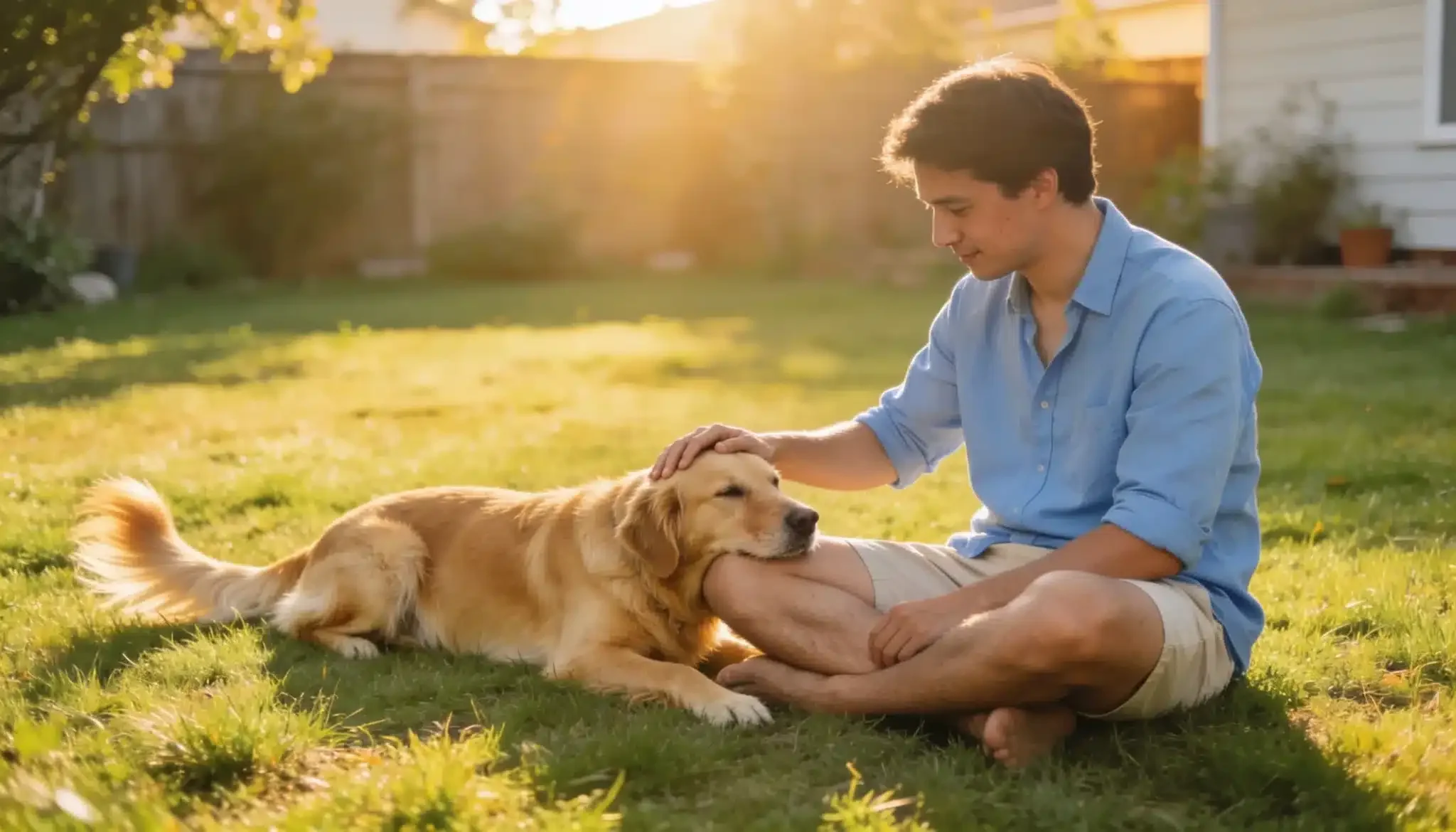
If your dog isn’t immediately receptive to cuddling, it's okay to give them space. Observing their body language is key. An inviting lean is a good sign, while a turning away suggests they’re not interested at the moment.
Forcing cuddles can create tension rather than connection. A tranquil and predictable environment allows dogs to feel secure enough to initiate closeness on their own terms.
Take the time to build that trust, allowing them to approach you for cuddling when they're ready.
Addressing Common Questions
Why do Dogs Cuddle with Humans?
Cuddling stems from fundamental instincts, trust, and emotional attachments formed over years of companionship.
Is It Normal for My Dog to Cuddle with Me Daily?
Daily cuddling is typical and generally signifies a strong sense of security and connection with you.
Why Does My Dog Cuddle with Me Instead of Others?
Your dog likely prefers your company due to the unique trust and bond established between you.
Can Cuddling Help Calm an Anxious Dog?
Yes, cuddling provides comfort and can actively reduce stress in anxious dogs.
Why Has My Dog Stopped Wanting to Cuddle?
Changes in cuddling behavior could indicate discomfort, stress, or a potential health issue that may need further attention.
The insights into why dogs love to cuddle reveal a complex interplay of instincts, emotional bonds, and learned behaviors that signify a trusting relationship with humans.
Discussion
Sign in to join the discussion.