Learn about the safe and risky bone options for dogs, including the health benefits and factors to consider for your furry friend's well-being.
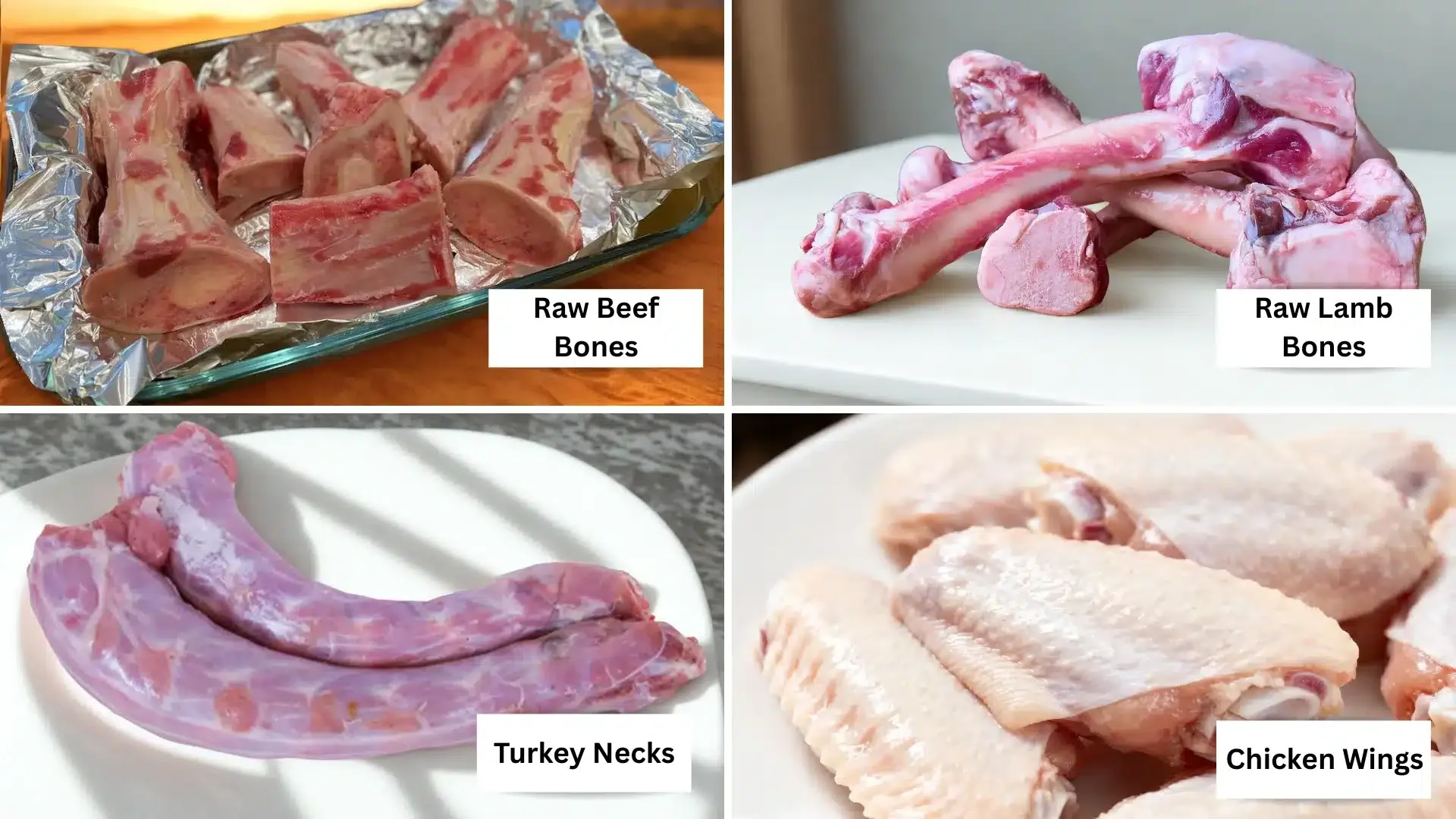
Dogs and bones share a long-standing connection, but it's crucial to navigate this relationship carefully. While bones can provide enjoyment for our pets, some types pose serious dangers that can lead to painful injuries or emergency vet visits.
Are Bones Safe for Dogs?
In short, bones can be safe, but the safety heavily relies on the specific type of bone, its size, and how it's processed. No bone is entirely devoid of risk. The need for supervision while dogs are chewing is essential. The attraction dogs have towards bones is instinctual, harkening back to their wild ancestors.
- Mental stimulation: Chewing serves as a mental exercise, helping focus their energy.
- Jaw strength: Chewing effectively builds and maintains strong jaw muscles.
- Anxiety relief: For dogs, chewing can act as a self-soothing behavior during stressful moments.
It's critical to avoid cooked, smoked, or sharp bones, as they tend to splinter and cause internal injuries or digestive blockages.
Health Benefits of Bones
While bones can certainly be a treat for dogs, they should be offered sparingly rather than as a daily indulgence. The right kinds of bones can provide some tangible benefits with precautions in place.
Dental Health
Raw bones can assist in cleaning a dog's teeth by reducing plaque and tartar. They shouldn’t replace regular dental care, but they can support oral hygiene between vet visits. Raw meaty bones are particularly effective compared to synthetic chew products.
Important Nutrients
Raw bones, especially marrow bones, are rich in calcium and phosphorus, vital for maintaining strong teeth and bones. Dogs that chew on raw bones may benefit from these nutrients.
The calcium-to-phosphorus ratio in raw marrow bones is close to 1:1, which is deemed ideal for absorption in canines.
Managing Boredom and Stress
A bored dog can quickly turn to destructive behaviors. Chewing can release calming signals in a dog's brain, making it particularly beneficial for high-energy breeds.
A dog can thrive without ever having a bone, as a well-balanced diet can provide the necessary nutrients.
Dog-Friendly Bone Options
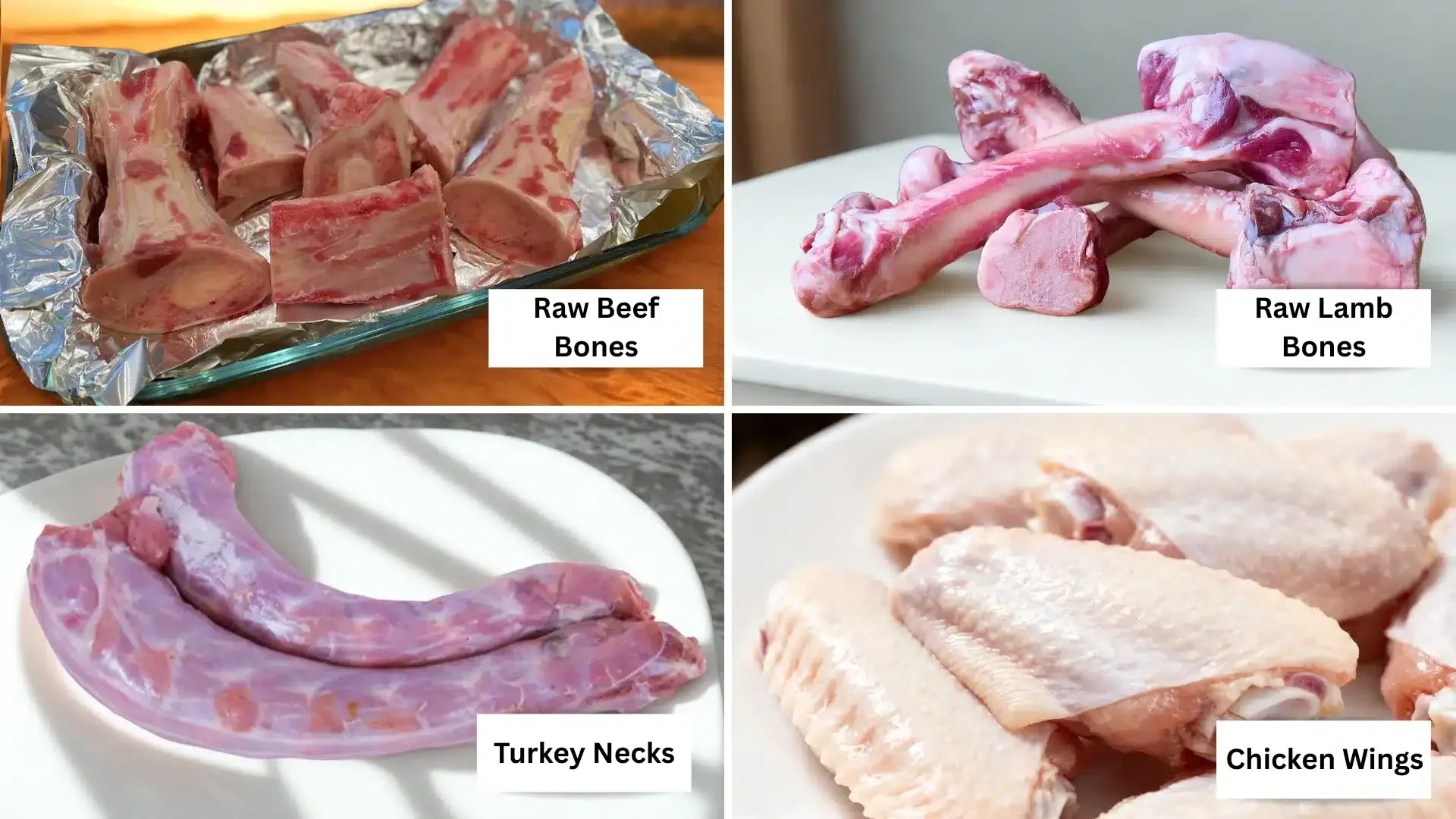
Not every bone found in a meat counter is safe for dogs. However, some raw and unprocessed choices come highly recommended by veterinarians.
Raw Beef Bones
Kneecaps and marrow bones are among the safer options. Their large and dense structure minimizes the risk of splintering, keeping dogs engaged for longer periods. They tend to maintain their integrity well when chewed.
- Choose bones larger than the dog’s mouth.
- Never leave a dog unsupervised with bones.
- Discard the bone when it becomes small enough to swallow.
Raw Lamb Bones
Large raw lamb bones are also recommended, being less likely to splinter than smaller options. They are more suitable for medium to large dogs.
Opt for larger cuts, as thinner bones may present more dangers.
Turkey Necks
Turkey necks fall under the category of edible bones, given their softer texture. They are easier for dogs to chew and also supply glucosamine and chondroitin, beneficial for joint health.
Medium to large dogs can typically handle turkey necks well, while smaller dogs might struggle.
Raw Chicken Wings
Soft and fully edible, raw chicken wings are generally considered safe, especially for smaller breeds. They can disintegrate while chewing, avoiding splintering risks. Remember, cooked chicken bones are never safe for dogs.
While no bone option is completely risk-free, understanding the differences helps owners choose wisely.
Edible vs. Recreational Bones
Understanding the purpose of different types of bones is paramount. Each variety serves a different purpose based on the dog's size, age, and chewing behavior.
Edible bones: These are soft, digestible raw bones, entailing items like turkey necks and chicken wings that can be consumed entirely.
Recreational bones: Large and dense, such as beef marrow bones or knuckles, these are primarily for chewing rather than consumption. Their main benefits include mental engagement and oral hygiene.
Potential Risks of Bones for Dogs
While bones can be enjoyable for dogs, they also come with an array of risks that can lead to serious health issues.
| Risk Type | Potential Issues | Warning Signs |
|---|---|---|
| Choking Hazard | Small bone pieces can lodge in the throat, especially as they diminish in size. | Watch for pawing at the mouth, gagging, or distress. |
| Dental Issues | Hard bones can fracture teeth severely enough to necessitate extraction. | Look for reluctance to eat or signs of facial discomfort. |
| Digestive Blockage | Bone fragments can obstruct the gastrointestinal tract. | Signs include vomiting, swelling, and loss of appetite. |
| Internal Damage | Sharp, splintered pieces may injure internal organs. | Signs include lethargy and changes in behavior. |
| Infection Risk | Raw bones pose a risk for Salmonella and E. coli infections. | Signs include diarrhea, fever, or decreased energy levels. |
| Digestive Sensitivity | Some dogs may have an adverse reaction to even safe bones, leading to gastrointestinal upset. | Look for loose stools or signs of stomach discomfort. |
Choosing the Right Bone for Your Dog
When selecting bones, it's important to match the type to the individual dog's size and chewing habits. The same bone may not be appropriate for different breeds or ages.
- Large dogs: Dense bones like beef knuckles are better choices.
- Small dogs: Softer options such as raw chicken wings work well.
- Aggressive chewers: Hard recreational bones that won’t splinter are ideal.
- Gentle chewers: Soft, edible options suit these dogs.
- Puppies: Stick to soft bones only to protect developing teeth.
- Senior dogs: Softer bones with shorter chewing sessions are preferable.
- Health considerations: Always consult a vet before introducing bones.
Frequently Asked Questions (FAQs)
1. What are Safer Alternatives to Bones?
Consider rubber toys, vet-approved dental chews, or frozen carrots, especially for lighter chewers.
2. Do Dogs Eat Bones or Just Chew Them?
Most dogs will chew primarily for enjoyment but may eat softer bones entirely.
3. What Bones are Safer for Dogs to Swallow?
Soft, raw edible bones like turkey necks and chicken wings are generally safer since they can break down easily during chewing.
The post What Bones are Safe for Dogs to Eat? appeared first on Golden Daily Scoop.
Discussion
Sign in to join the discussion.