New data reveals trends in pet sterilization as shelters face ongoing challenges. Understanding these insights is vital for animal welfare strategies.
2025 Sterilization Trends at Intake
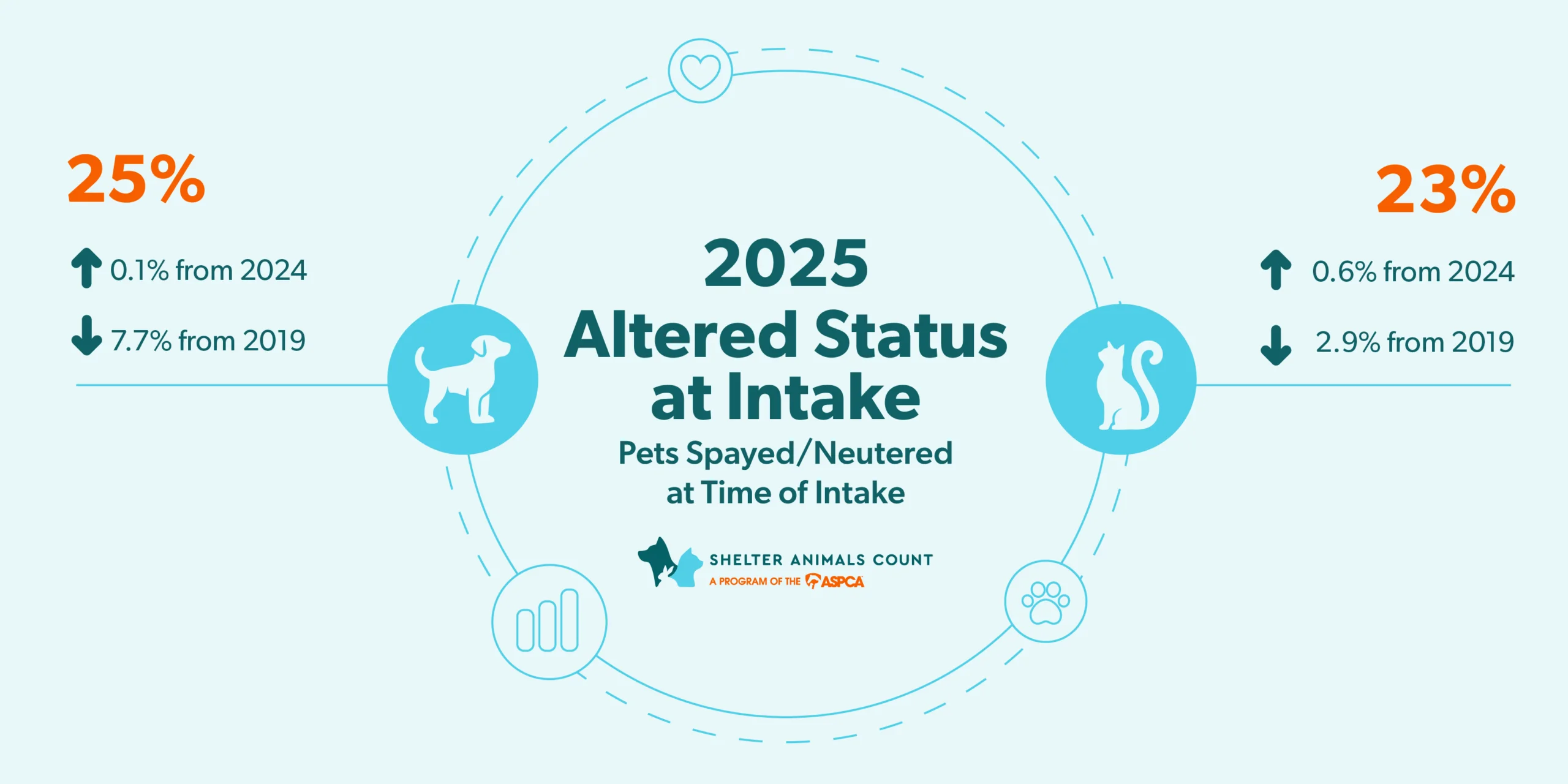
February is more than just a month; it’s Spay/Neuter Awareness Month, a time to focus on the vital statistics regarding the sterilization of pets entering shelters. According to the 2025 report, about 25% of dogs and 23% of cats were already spayed or neutered at intake. This results in a combined total of 24% of all pets arriving at shelters altered and ready for potential adoption.
When examining these figures against previous years, the trends reveal a nuanced picture. There’s a slight uptick from 2024, but the overall trend indicates a 4% decline from 2019. For dogs, the drop is particularly alarming, showcasing an almost 8% decrease since 2019. While it's good news that some animals are already altered upon arrival, this decline, especially for dogs, signals a challenging reality for animal welfare advocates.
For cat intake, the decline is less stark. Still, data indicates a 3% gap from the pre-pandemic figures. Why does this matter? Because it raises questions about the effectiveness of spay/neuter campaigns and public awareness programs over recent years. As shelters continue to face overwhelming populations, these statistics suggest that more needs to be done to boost sterilization rates.
Importance of Understanding Trends
Getting a handle on these sterilization trends is essential for animal welfare organizations, as this data helps them pinpoint where resources are most needed. Understanding these stats not only reveals access issues in veterinary care but also exposes potential gaps in public awareness concerning the benefits of spaying and neutering pets. This is particularly pertinent in the aftermath of the pandemic, a period that saw significant shifts in pet ownership and shelter needs.
Animal welfare isn't just about rescuing; it’s also about prevention. Strategic insights derived from these trends can help organizations enhance their outreach. For example, if a specific area shows a high intake of unaltered pets, a targeted campaign could be developed to raise awareness and provide resources for spay/neuter services.
For further analysis, organizations can turn to Shelter Animals Count, which has published the Altered Status at Intake Report. This first-of-its-kind document spans five years of data from over 2.2 million pets across 262 organizations in 47 states, providing invaluable insights for various stakeholders in animal welfare.
This report isn’t just a collection of numbers; it serves as a practical guide for shelters, rescues, and veterinary professionals. Organizations can use these insights for policy adjustments and outreach enhancements aimed at increasing spay/neuter surgery rates.
Furthermore, to understand the post-pandemic drop in sterilized dog intake, there’s pertinent research titled “Decrease in Proportion of Sterilized Dogs Entering Animal Welfare Organizations in the U.S. Post‑pandemic.” This study underscores the complexities at play and indicates that these trends merit thorough examination.
Future Implications of the Data
The implications of these statistics could impact future animal welfare policies and community outreach efforts. First, if the trend of declining spay/neuter rates continues, shelters could face escalating challenges in managing pet populations. More animals entering shelters risk higher euthanasia rates, which is a stark reality nobody wants to confront.
What this means for you, especially if you're working in this space, is that you should be advocating for stronger community engagement in spay/neuter initiatives. Animal welfare organizations might need to rethink their strategies. Some could increase educational campaigns emphasizing the benefits of spaying and neutering, while others might explore partnerships that expand low-cost access to these vital services.
And yet, despite the challenges, there’s potential for innovation. Maybe it's time for shelters to adopt multi-faceted approaches that combine traditional marketing tactics with digital outreach to reach a broader audience. For many potential pet owners, information doesn’t just need to be accessible; it needs to be engaging and clear. (And this is the part most people overlook.)
Resource Compilation
For affordable pet care resources, including spay/neuter assistance, explore:
- PetHelpFinder.org – This platform connects users with veterinary care, clinics, and food assistance.
- Pets.FindHelp.com – Here, you can search for cost-effective support services like veterinary care and food pantries.
- United Spay Alliance – A handy directory for low-cost spay/neuter options available in various communities.
For comprehensive spay/neuter strategies and guidelines, particularly focused on surgical techniques and best practices, you'll want to click here.
Discussion
Sign in to join the discussion.