This analysis highlights how age impacts pet reunification rates, revealing actionable insights for shelters to improve return-to-owner outcomes.
Understanding Reunification Trends in Shelters
The 2025 Annual Data Report from Shelter Animals Count presents key insights into national trends regarding lost and found pets. According to the report, shelters returned 638,000 animals—both dogs and cats—to their owners last year, reflecting a 3% dip from 2024, which translates to 21,000 fewer pets reuniting with their families. While these return-to-owner (RTO) rates are essential for assessing shelter effectiveness, variances among species, intake methods, and types of organizations highlight the need for a focused approach.
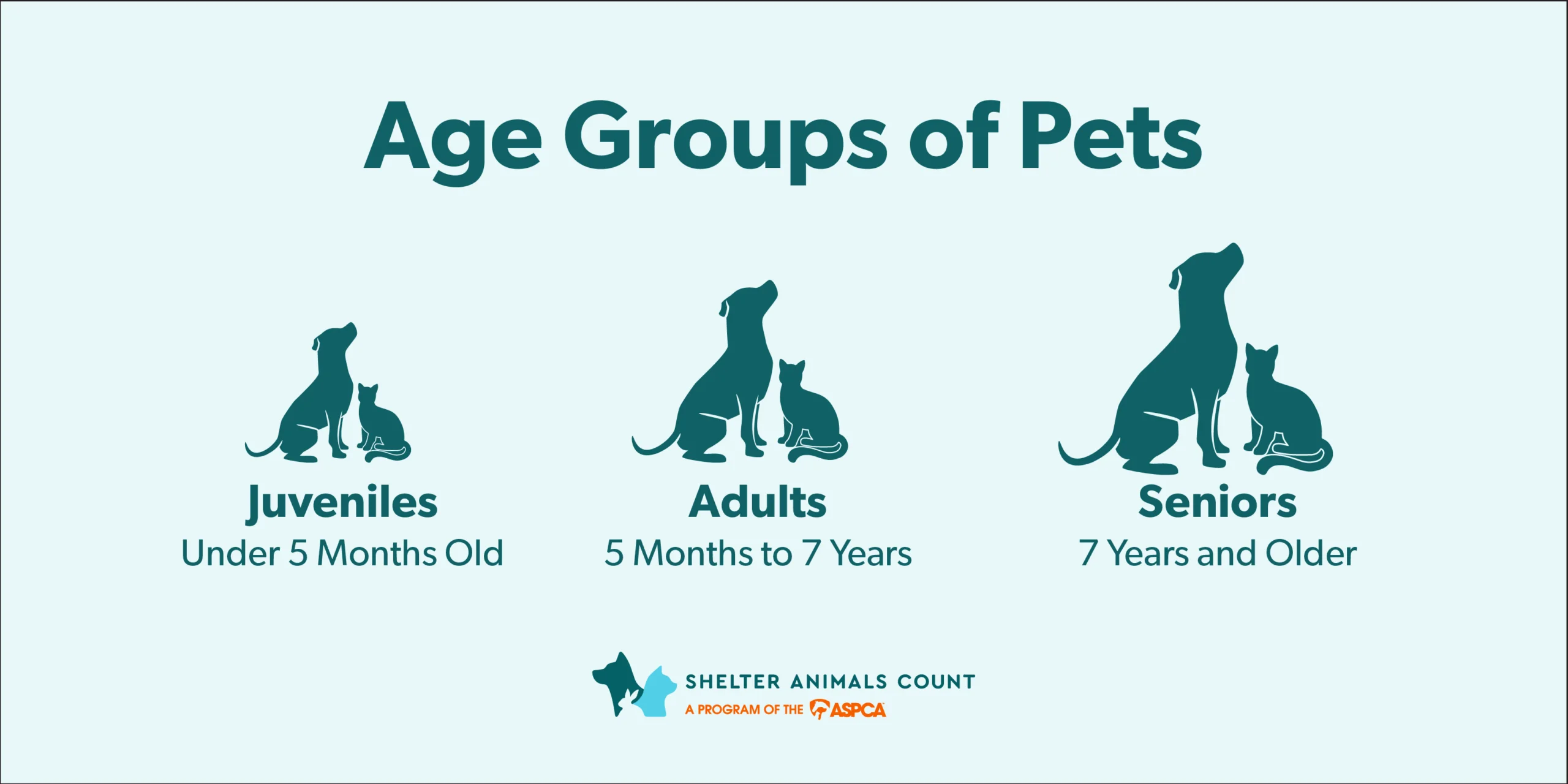
Significance of Age in Reunification Outcomes
A critical factor influencing reunification rates is the age of the animals. The data from 2025 strongly suggests that senior animals have the highest likelihood of being returned home.
Senior Animals Display Higher RTO Rates
Across various types of organizations, senior pets, particularly dogs, show remarkable RTO rates:
- Government and contracted shelters report RTO rates between 50% to 60% for senior dogs.
- In contrast, adult dogs achieve rates of around 25% to 35%.
- Juvenile dogs fare poorly, with their RTO rates hovering between 5% and 9%.
Senior cats also reflect a trend, though less pronounced:
- Senior cats boast RTO rates of 20% to 23%.
- Adult cats typically range from 5% to 10%.
- Juvenile cats often have RTO percentages at or below 2%.
Notably, even at peak performance, cat RTO figures lag when compared to their canine counterparts.
Identifying Opportunities for Adult Pet Reunification
While senior pets show favorable RTO outcomes, they comprise a smaller portion of total shelter intakes. Conversely, juvenile pets, especially cats, enter shelters frequently lacking identifiable ownership, which hampers the chances of reunification. This underscores the substantial opportunity presented by adult pets for improving RTO rates.
Recent data indicates a decline in RTO rates among stray adult dogs. In contrast, improving efforts for reuniting adult animals with their owners is critical for increasing overall success rates:
- Adult dogs and cats represent a significant percentage of stray intakes.
- Senior dogs already possess strong RTO figures.
- Many juvenile animals lack clear ownership upon intake, limiting reunification possibilities.
- RTO metrics for adult pets still hold potential for enhancement.
- Even marginal increases in RTO rates have the potential to produce significant outcomes, alleviating pressure on shelter operations.
Examining Policy Impact on Outcomes
The pathways through which animals enter shelters influence their reunion likelihood. Distinctions in intake practices, especially between surrendered pets and strays, significantly affect outcomes.
Challenges in surrender appointments can lead pet owners to misrepresent their animals as strays to circumvent long wait times, impacting how shelters process information:
- This misrepresentation hinders visibility into an animal's background, including medical and behavioral history.
- Shelters must implement mandatory holding periods for strays, delaying the possibility of adoption.
- Exaggerated stray intake numbers can compromise tracking for lost pets and disrupt overall shelter analytics.
The average length of stay for strays exceeds that of surrendered pets by approximately ten days across the nation. Some shelters have adapted by removing appointment requirements for pet surrender, streamlining processes and enhancing animal outcomes.
For example, the LA County Department of Animal Care and Control (DACC) stopped requiring appointments for pet surrenders in April 2025, responding to issues posed by their earlier appointment-based system, thus accelerating reuniting efforts.
Strategies for Improvement Beyond Shelter Boundaries
Enhancing reunification rates necessitates a broader focus on service delivery both in and outside of shelters. Key areas for shelters to improve their RTO rates include:
- Field-related reunification strategies to minimize intake needs.
- Return-to-field approaches for cats, where applicable.
- Syncing intake and adoption hours with community demand.
- Assessing the impact of length of stay, particularly for animals improperly categorized at intake.
- Enhancing communication with pet owners about surrender options and available community resources.
By concentrating on these pivotal areas and aligning procedures, shelters can markedly enhance their reunification efforts and outcomes.
Resources
Petco Love Lost – A free platform to search over 200,000 lost and found pets.
Pawsboost – A service for finding and reporting lost pets.
ASPCApro: Engage Your Community to Boost RTO
Discussion
Sign in to join the discussion.