Strategic improvements like weekend hours and same-day adoptions can significantly boost pet adoption rates, benefiting shelters and pets alike.
Understanding Adoption Rates: Key Insights from Recent Findings
During peak adoption seasons, particularly summer, animal shelters often face challenges due to increased intake and limited resources. The surge in animals needing homes typically creates a bottleneck, straining both staff and facilities. Streamlining the adoption process can significantly enhance outcomes even amid these constraints. A recent analysis of data from the Adoption Hours and Policies Pulse Check Survey, alongside 2024 organizational metrics, sheds light on effective practices that correlate with higher adoption rates. The findings not only highlight current trends but also prompt broader discussions about how shelters can adapt to ever-changing circumstances.
Key Findings from the Adoption Analysis
In assessing the available data, three primary factors emerged as pivotal in enhancing adoption success: adoption hours, policies supporting same-day adoptions, and the presence of barriers within the adoption process. Each of these elements carries implications for potential pet owners and animal welfare organizations alike.
1. The Impact of Weekend Adoption Hours
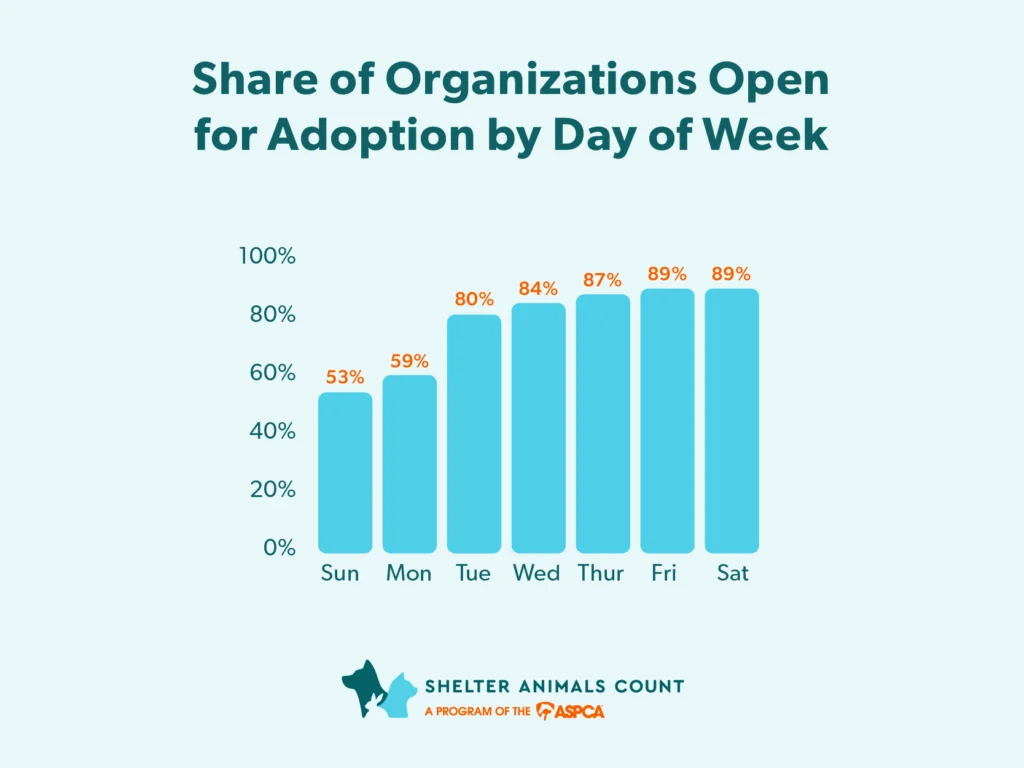
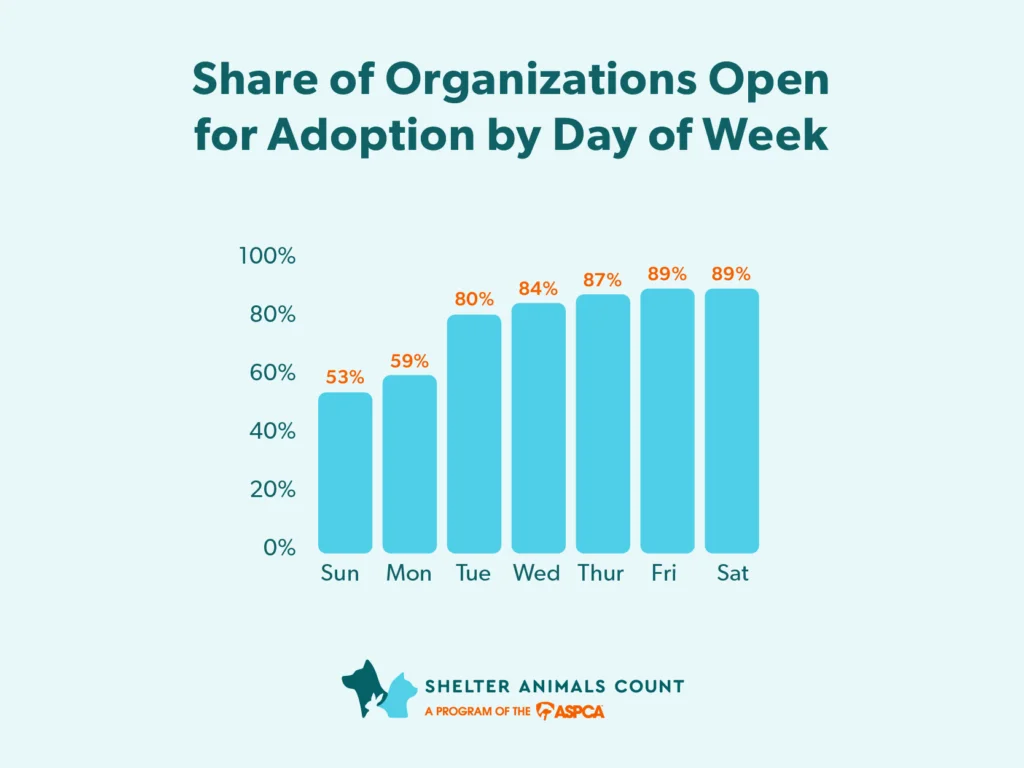
Survey results reveal a pronounced effect of Saturday operating hours on adoption activity. An overwhelming 89% of organizations report being open on Fridays and Saturdays, but only 53% on Sundays. The data indicates a striking increase in adoptions during weekends, with Saturdays yielding 61% more adoptions compared to weekdays, 24% more on Fridays, and 16% more on Sundays. In sharp contrast, Mondays show the least activity, with adoption numbers falling around 30% below weekend averages. This trend suggests that many potential adopters are simply not available during the week, potentially due to work commitments or family obligations.
2. Same-Day Adoption Policies Drive Higher Rates
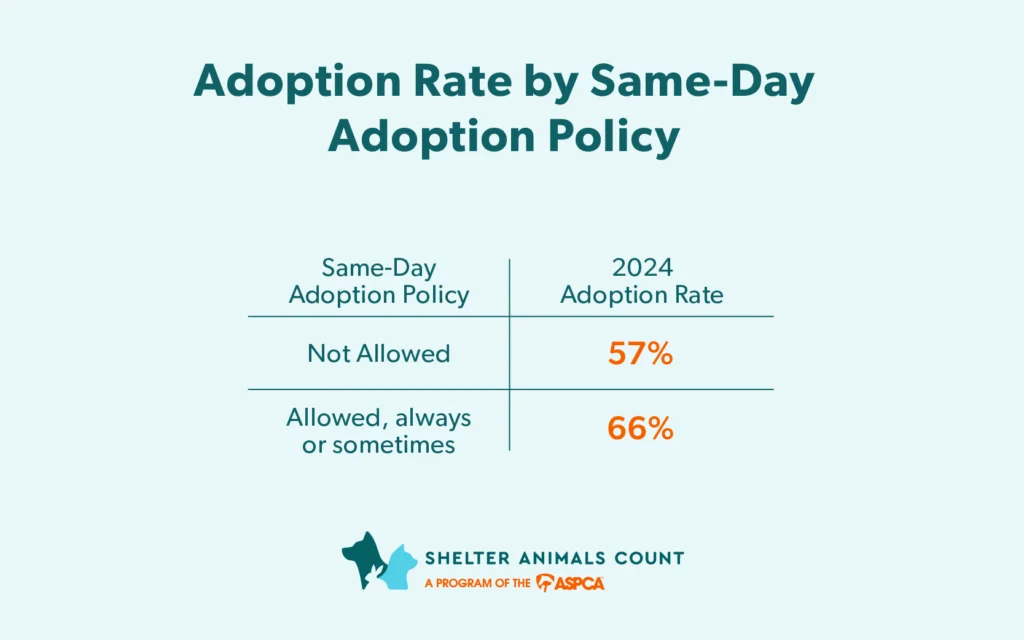
The analysis indicates a clear trend: organizations that permit same-day adoptions report higher adoptions rates. Specifically, those allowing same-day adoptions boast a 66% adoption rate, in contrast to just 57% for organizations that never allow it. After adjusting for factors like organization type and size, the variance remains significant, with a consistent 8 to 9 percentage point difference favoring those with flexible adoption policies. This finding raises an interesting question: Why do some organizations cling to restrictions that slow down the matching process between pets and adopters?
3. Adoption Barriers and Their Influence on Rates
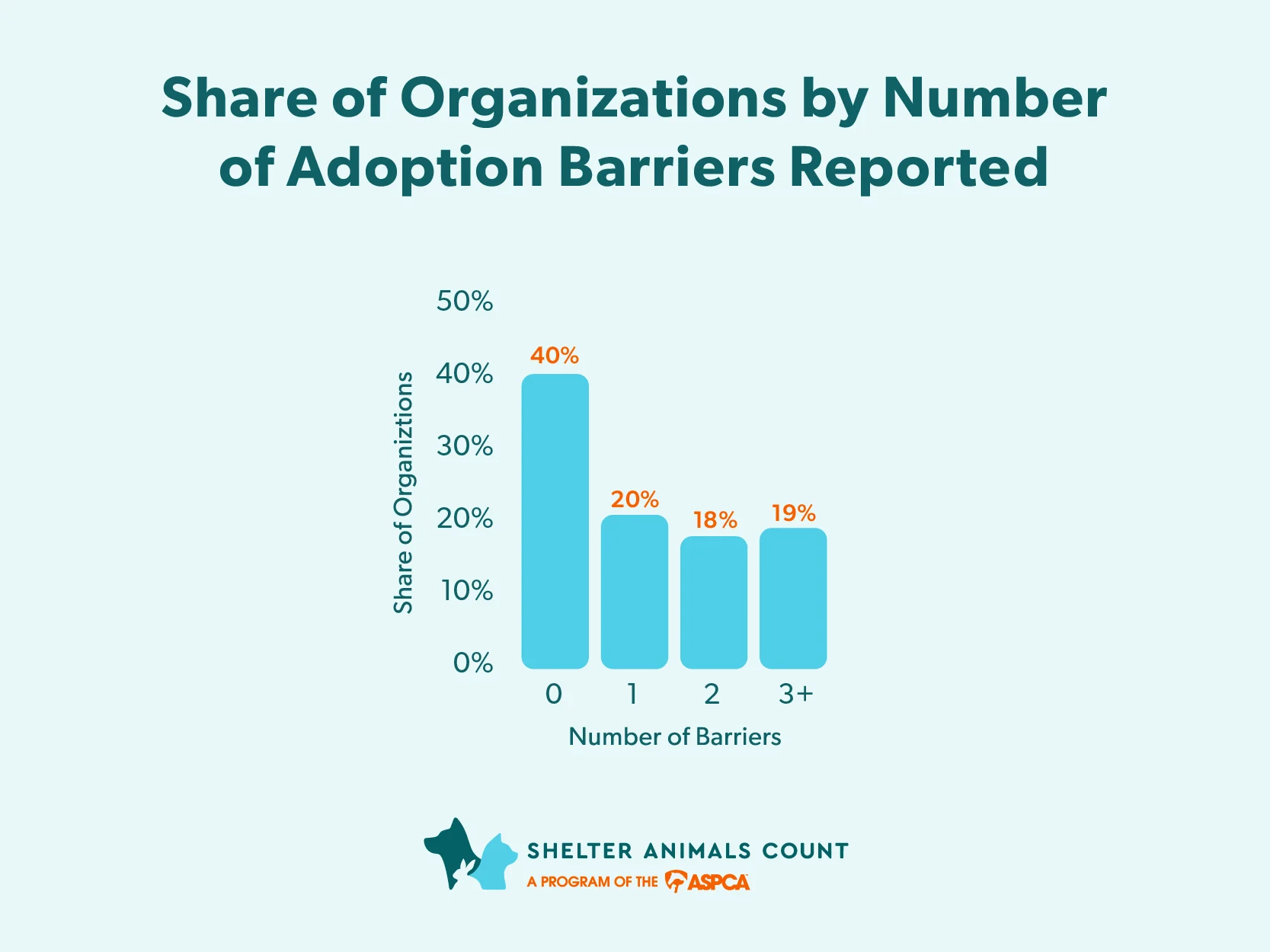
Barriers create significant hurdles for potential adopters. Interestingly, 40% of surveyed organizations reported no barriers to adoption, while others mentioned various restrictions such as requiring applications before meeting pets or conducting home checks. Organizations with three or more barriers observed adoption rates approximately seven percentage points lower compared to those without hindrances. This underscores the negative impact that complex processes can have on adoption success. Here’s the thing: policies meant to protect animals can sometimes deter genuine adopters.
Strategies for Improvement
The collective insights reveal a trend: organizations that enhance accessibility in their adoption processes tend to achieve better outcomes. Emphasizing weekend hours and facilitating same-day adoptions are two critical strategies that could lead to increased adoptions. As potential adopters often have limited availability, these adjustments could make a world of difference.
While no single policy guarantees improved adoption rates, these findings should inspire organizations to evaluate their current practices critically. The ability to be flexible and responsive to potential adopters can spell the difference between a loving home and an animal remaining in a shelter.
Optimizing Your Adoption Processes
For organizations seeking to refine their adoption procedures, Shelter Animals Count offers an Adoptions Checklist to facilitate a thorough review of operational hours, policies, and requirements. This tool aims to uncover areas for enhancement that could lead to a more favorable adoption experience:
- Adoption hours and operational days
- Policies regarding same-day adoptions
- Application and approval processes
- Verification requirements
- Adoption counseling
- Other potential barriers impacting the adoption experience
Ultimately, the objective isn’t to eliminate essential safeguards but to identify unnecessary obstacles that may hinder adoption, thus fostering a friendlier atmosphere for potential adopters and ensuring the best outcomes for animals involved. If you're working in this space, streamline the process and observe the results—immediate improvements in adoptions might surprise you.
Check the Adoptions Checklist to explore your organization's policies and practices with your team. This review could lead to significant changes in how efficiently you connect animals with their new families.
Research Methodology
The findings discussed stem from the Shelter Animals Count Adoption Hours and Policies Pulse Check, which included data from 347 organizations linked to their comprehensive annual dataset. This analysis examined monthly adoption rates using various regression models to account for organization-specific variables, promoting a nuanced understanding of which policies may impact adoption outcomes. The methodology emphasizes the need for evidence-based strategies in improving animal adoption, proving that data can drive meaningful change in this vital sector.
Implications and Future Outlook
These findings have significant implications not just for the shelters but for the broader pet adoption ecosystem. Organizations willing to embrace flexibility and reduce barriers may see an uptick in adoptions that transcends current trends. With ongoing economic pressures affecting prospective adopters, it's essential for shelters to adapt their strategies. Indeed, understanding that the process itself can deter adopters is vital in rethinking how these organizations operate.
As adoption patterns evolve, so must the policies that govern them. Organizations that successfully implement changes based on these insights are likely to position themselves as leaders in animal welfare. The trend is clear: fewer barriers, more pets finding homes. And who wouldn’t want that?
Discussion
Sign in to join the discussion.