The WSAVA's 2026 Global Dental Guidelines enhance knowledge and practices in veterinary dentistry, addressing recent advancements in the field.
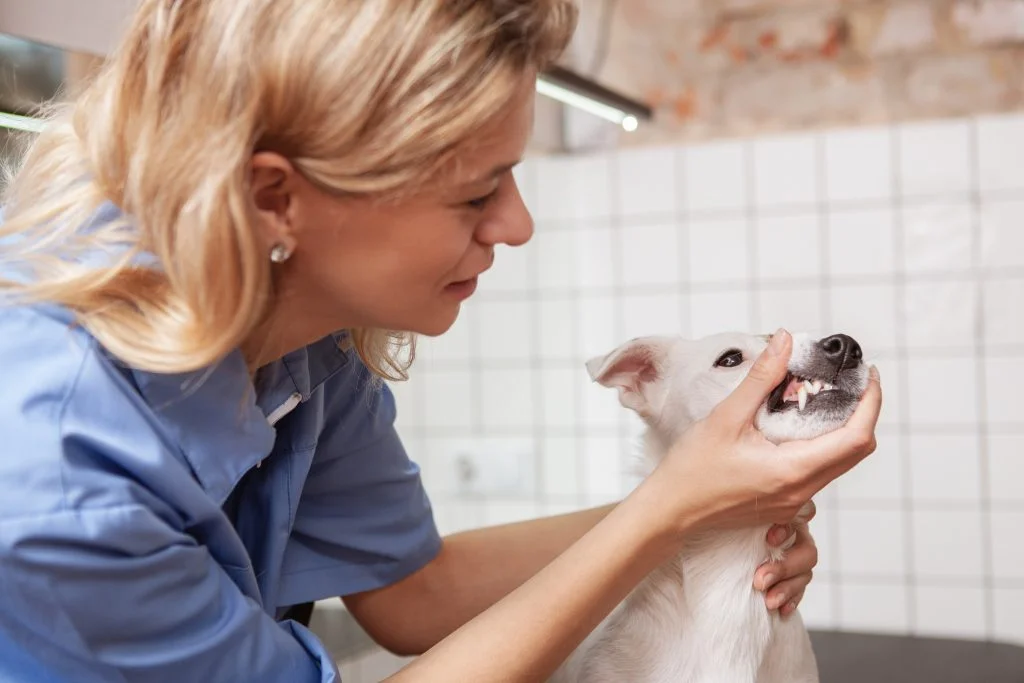
New Guidelines Emphasize Veterinary Education
The World Small Animal Veterinary Association (WSAVA) has released the 2026 Global Dental Guidelines, aiming to empower veterinary professionals in diagnosing and treating oral and dental diseases in pets. As the field of veterinary dentistry evolves, these guidelines are particularly timely; they build upon the 2019 version, reflecting a commitment to integrating significant advancements in the discipline. The need for continuous education in veterinary care isn't just a trend—it’s critical for improving outcomes in pet health.
With many pet owners becoming increasingly aware of the importance of dental care, the WSAVA’s updated guidelines provide practitioners with the tools they need to meet these rising expectations. Oral diseases in pets can lead to severe health issues, impacting not only local tissues but systemic health as well. Practices that ignore dental health run the risk of overlooking a core aspect of veterinary care that could improve a pet's quality of life significantly.
Expanded Topics and Enhanced Guidance
Key additions to the guidelines include detailed sections on dental and maxillofacial trauma, juvenile pathology, and the vital roles of veterinary nurses and technicians in dental care. In recent years, the veterinary community has gained a better understanding of the interconnectedness of oral health to overall wellness, making these enhancements more pertinent than ever. It's not just about extractions or cleanings anymore; it’s about providing a holistic approach to pet healthcare that recognizes the significance of dental disorders.
Another crucial feature of the 2026 guidelines is the greater emphasis on ergonomics and work safety for veterinary staff. This recognition signals a growing awareness in the profession about the physical demands placed on practitioners, especially those in surgical and dental fields. By promoting better ergonomics, these guidelines seek to reduce workplace injuries among veterinary professionals—a common downside to long hours in cumbersome positions.
Additionally, there’s an expanded section for radiographic interpretation to aid in diagnosis. Properly interpreting radiographs is essential for identifying dental issues that aren't visible externally. This is part of a larger trend in veterinary practices to move beyond basic visual examinations and embrace more advanced diagnostic techniques that improve accuracy in treatment.
Veterinary Insights and Patient Care
Dr. Brook Niemiec, a co-author of the guidelines, underscored their significance, stating, "The WSAVA Global Dental Guidelines are one of the most important contributions we can make to veterinary dentistry." That’s a strong endorsement and tells us a lot about the guidelines’ intended impact. If you're working in this space, you should pay attention to his confidence in how they stand to improve both the knowledge base of veterinary practitioners as well as the standard of patient care.
The guidelines don't simply serve as a textbook; they’re intended to be a practical resource for daily operations in clinics. The belief is that better-informed practitioners will be able to deliver higher quality care, thus reducing the prevalence of untreated dental diseases among pets. It’s a continuous loop: enhanced education leads to improved patient outcomes, which can drive further updates and advancements in veterinary practice.
Dental Health and Overall Welfare
The guidelines offer extensive coverage of common dental conditions, diagnostic methods, treatment protocols, and anesthesia management. They make the case that oral health is deeply interconnected with overall animal welfare, a sentiment that should resonate with all veterinary professionals. Mouths can harbor bacteria that influence not only dental health but also systemic issues such as heart disease. Recognizing this connection is vital for comprehensive veterinary care.
Furthermore, the guidelines provide caution concerning the risks tied to anesthesia-free dental practices. This subject is controversial within the veterinary community, as some argue against the necessity of anesthesia for every dental procedure. However, the WSAVA guidelines advocate for more conventional methods that ensure thorough care, aligned with evolving scientific understandings of dental treatment. Here’s the thing: overlooking proper anesthesia can lead to inadequate pain management and possibly even leave veterinary professionals vulnerable to malpractice claims. It’s a risk not worth taking.
As pets become more integrated into our lives, their dental health places a greater demand on veterinary practices to stay informed and connected. The guidelines offer a path to fulfilling these expectations, not just for the welfare of animals but also for the reputation of veterinary professionals themselves. There’s an opportunity here for clinics to differentiate themselves through enhanced care standards, making them not just service providers but educators in their communities.
Veterinary professionals can access the complete 2026 Global Dental Guidelines here.
Implications and Future Outlook
The introduction of these updated guidelines may well influence the way veterinary education is structured in the coming years. With organizations like WSAVA advocating for higher standards, there’s potential for veterinary schools to incorporate these materials into their curricula, fostering a new generation of practitioners who are well-versed in best practices regarding dental health. The challenge will be ensuring that continuing education keeps pace with these standards, allowing current professionals to adapt without feeling overwhelmed.
Furthermore, as technology continues to advance, we can expect even more integration of digital tools in veterinary practices. Imagine a future where digital imaging is the standard practice for dental exams. That's not too far-fetched. When clinics adopt these forward-thinking strategies, they not only enhance their service offerings but also pave the way for ongoing improvements in animal care protocols.
In essence, the WSAVA’s new guidelines represent more than just a set of protocols—they signal an evolving approach to veterinary education and animal health that prioritizes comprehensive care. What this means for you is clear: stay informed, adapt practices accordingly, and be willing to advocate for change within your profession. This kind of proactive engagement could shape the face of veterinary care for years to come.
Discussion
Sign in to join the discussion.