Understanding the Microbiota-Gut-Brain Axis: Implications for Mental and Neurological Health
Published Aug 14, 2026Reads 548By sperez
Explore how the microbiota-gut-brain axis affects mental health and neurological conditions, emphasizing the need for a holistic approach in treatment.
The Microbiota–Gut–Brain Axis: A Complex Relationship
The microbiota–gut–brain axis (MGBA) is an exciting and complex area of research that highlights how interconnected our gut, microbiome, and brain truly are. This bidirectional communication system is facilitating a newfound understanding of the physiological interaction between gut microbiota and neurological functions, as well as the impact of mental health on gut physiology. Through various channels like gut hormones and immune signaling, gut microbes can influence not only cognition and behavior but also overall neurological health.
Recent studies in both humans and rodents suggest that disturbances in this axis may contribute to a range of mental health issues, including anxiety, depression, and even more severe neurological disorders like Parkinson’s disease and epilepsy. There are also indications that parallel connections exist in veterinary medicine, particularly concerning behavioral disorders in dogs and other pets. These findings could offer new avenues for treatment options that emphasize a balance between mental health and gut health.
Dysbiosis: The Disruption of Balance
In a healthy microbiome, a balanced microbial ecosystem thrives, but disruption can bring about dysbiosis—a state marked by reduced diversity and an overabundance of harmful microorganisms. Interestingly, the lack of a universal definition of dysbiosis in both human and veterinary studies creates challenges in accurately diagnosing conditions like MGBA-associated diseases. Most importantly, dysbiosis has been linked to heightened neuroinflammation and compromised immune responses, revealing a potential pathway that could worsen neurological conditions.
Various stressors—including chronic stress, infections, and poor diets—can contribute to dysbiosis. The connection between dysbiosis and neurological issues is becoming increasingly recognized. More than just an academic consideration, this relationship complicates treatment strategies for both humans and animals, suggesting that both gut and brain health need concurrent attention to effectively manage conditions stemming from MGBA dysfunction.
Comorbidities: A Multifaceted Challenge
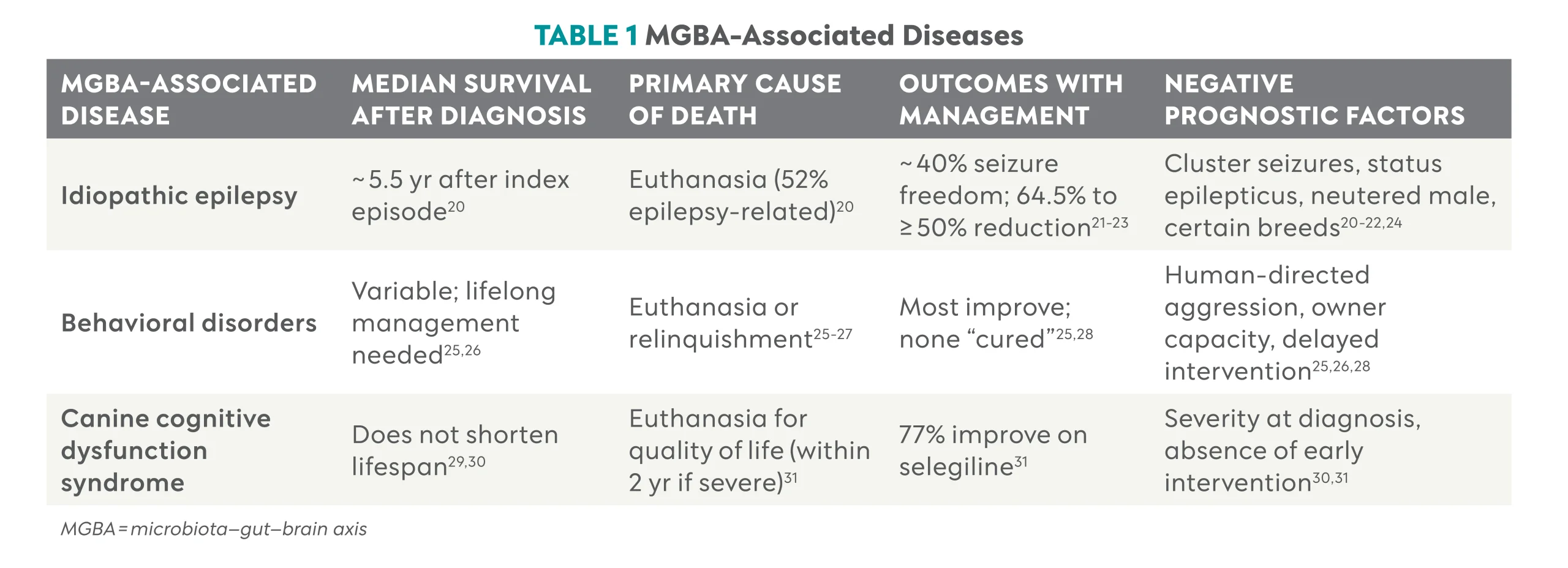
Comorbidities significantly complicate the treatment landscape for MGBA-related diseases. Many dogs suffering from behavioral or neurological disorders also experience concurrent gastrointestinal issues, creating a murky scenario for diagnosis. For instance, when pet owners bring dogs to a vet complaining of anxiety or cognitive dysfunction, it’s critical to also assess the animal's gastrointestinal health. The statistic that 20-30% of vet visits involve digestive complaints underscores the need for thorough evaluation—gastrointestinal disturbances could be both a symptom and a contributing factor to neurological conditions.
Management becomes particularly challenging when horseshoes drop multiple diagnoses, leading to poor prognoses in many cases. As many veterinary practitioners may find, recognizing and treating a dual problem of gastrointestinal imbalances and behavioral disorders can be daunting but essential.
From a clinical standpoint, integrated care—addressing both gut health and mental health simultaneously—seems to yield the best results. Observations in veterinary practices emphasize that improved understanding of the MGBA could help reshape treatment paradigms for pets suffering from complex, multifaceted disorders.
Implications for Veterinary Care
The growing body of research surrounding the MGBA holds promising implications for veterinary medicine. Not only does it suggest that advancing our understanding of this interplay could lead to better diagnostics and treatments for pets, but it also invites a broader conversation about the importance of gut health in addressing various behavioral and neurological issues.
Veterinarians must remain vigilant about this interplay as they diagnose and treat conditions in their patients. Clients often don't link their pets' gastrointestinal signs with behavioral changes, leading to missed opportunities for effective interventions. By addressing both aspects, it may be possible to improve patient outcomes significantly.
As the research evolves, there's an urgent need for a more interdisciplinary approach. Collaboration between veterinarians, nutritionists, and behavior specialists could pave the way for comprehensive strategies that truly account for the complexities of the MGBA. This could ultimately transform how we approach diagnoses and treatments, improving the quality of life for our animal companions.
Concluding Thoughts on MGBA Research and Its Implications
What we've explored here highlights a growing recognition of the microbiota-gut-brain axis (MGBA) as a significant player in managing canine behavioral disorders. The reported improvements in dogs following fecal microbiota transplantation (FMT) and other dietary interventions suggest this field is ripe for further exploration. However, the promise seen in the studies should be tempered by a call for deeper investigation; many preliminary findings lack robust controls and comprehensive data.
For instance, while anecdotal evidence noted enhanced activity and quality of life in dogs post-FMT, it’s crucial to consider alternative explanations. Factors like a placebo effect or natural variability in anxiety levels could distort the perceived benefits. Moreover, the variance in methodologies across studies raises questions about the reproducibility of these results.
Look closely at the clinical data: a significant portion of the evidence supporting dietary interventions and microbiota treatments stems from limited sample sizes and short observation periods. The case example of Bliss serves as both an illustration of the potential impact of MGBA management and a welcome reminder of the complex nature of these conditions. Each dog is unique, requiring tailored interventions that recognize the intricate interplay between diet, microbes, and behavior.
Going forward, if you're involved in veterinary medicine or pet healthcare, pay attention to emerging research in this domain. The interconnections within the MGBA open up a new frontier in understanding not just canine health, but potentially broader implications for other species, including humans. Continued research could lead to more nuanced, effective treatments that elevate the standard of care.
What remains essential is a collaborative effort between pet owners and veterinary professionals. Educating clients on the importance of monitoring and adjusting treatment plans as needed will play a vital role in achieving successful outcomes. The future may be bright for MGBA research, but it's clear that we have just scratched the surface. The path ahead requires rigorous investigation to unlock the full potential of microbiota-centered therapies.
Discussion
Sign in to join the discussion.