Protecting Your Dog: Avoid These Common Toxic Foods
Published Oct 10, 2026Reads 390By Shelby Neely, VMD
Learn which everyday foods are harmful to dogs and how to recognize signs of poisoning to ensure your pet's safety.
Understanding Canine Nutritional Safety
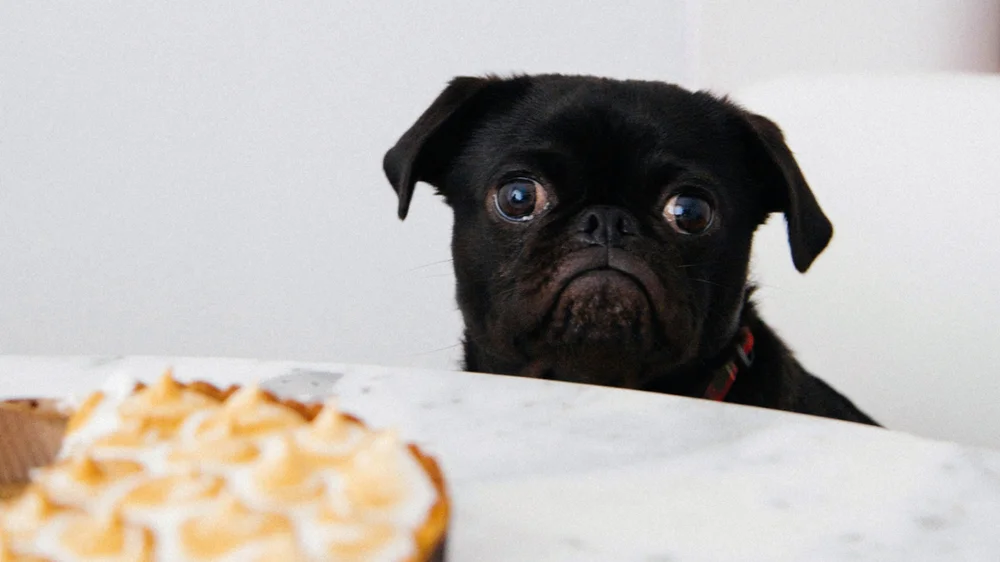
Many dog owners have likely faced that heart-stopping moment when their furry friend snatches something off the counter. Maybe it was a piece of chocolate or a leftover takeout that’s toxic to canines. The truth is, while dogs and humans share a love for food, the dietary needs and tolerances can be drastically different. That difference can mean the line between a harmless indulgence and a potentially fatal situation.
Based on veterinarian insights accumulated over decades, certain common foods should never find their way into a dog's mouth. Chocolate, grapes, and garlic rank high on the list of harmful substances, with even small amounts posing serious health risks. The danger isn’t just limited to large quantities; some items, like xylitol (a common sugar substitute), can be lethal in very minimal doses. If you're not already aware, storing the contact information for emergency services like the ASPCA Animal Poison Control (888-426-4435) or the Pet Poison Helpline (855-764-7661) could be a lifesaver.
What’s alarming is that many pet owners often assume that if a food is safe for them to eat, it’s harmless to their dogs. This belief can lead to tragic consequences. For instance, macadamia nuts are a delightful snack for people but can lead to severe neurological issues in dogs. It’s essential for owners to keep a close watch on what their pets access at all times.
The Need for Awareness
Here’s the kicker: simply knowing what not to feed your dog isn’t enough. Owners need to recognize the warning signs of poisoning as well. Vomiting, lethargy, and altered behavior are key indicators that something might be wrong. If you notice these symptoms and suspect that your pet may have ingested something harmful, take action immediately; don’t wait for the signs to worsen.
You’ll also want to be proactive about education. Keeping a printed chart of harmful foods—like the one available to download [here](https://58b60841-9468-4afd-8a50-437de4069111.usrfiles.com/ugd/58b608_e30bec224168462297f0dd1f18afc440.pdf) on your fridge can serve as an effective and constant reminder to avoid these dangers. It’s a simple measure that can significantly increase your pet’s safety.
In the end, the most powerful tool you have as a dog parent is knowledge. By understanding how different foods can affect your dog, you can better protect your pet from unintentional poisoning and, ultimately, make more informed choices when it comes to their diet. Stay informed, stay vigilant, and you can ensure that mealtime remains a safe and enjoyable experience for your furry friend.
The Most Dangerous Foods for Dogs
When you look up phrases like “foods that can harm your dog” or “22 toxic foods for dogs,” you’ll find extensive lists. Among these, six specific foods frequently come up as culprits behind serious veterinary emergencies.
Chocolate
Chocolate consistently ranks as the leading food responsible for dog poisoning calls to hotlines. The key harmful components—caffeine and theobromine—are stimulants that can wreak havoc on a dog's nervous and cardiovascular systems. If your dog consumes chocolate, it's imperative to contact a veterinarian or a poison control center immediately. Dark chocolate is particularly dangerous, but even small amounts of milk chocolate can pose risks, especially to smaller breeds. Experts will assess your dog's specific situation—its weight, the variety of chocolate, and the quantity consumed—to evaluate the level of risk.
Grapes and Raisins
It may seem unbelievable, but even a handful of grapes or raisins can lead to kidney failure in dogs. This threat isn't uniform; sensitivity varies significantly among individual dogs. Therefore, any ingestion should be treated as a potential emergency. This issue often appears in homes with children, where grapes and raisins are more accessible.
Onions and Garlic
These kitchen staples can be deceptively dangerous. Onions, leeks, chives, and garlic all belong to the allium family and can cause havoc in a dog's system—leading to red blood cell destruction and anemia. Whether they’re cooked, raw, or powdered, they should remain off-limits. An even greater danger comes from garlic, which is considerably more toxic than onions, particularly in powdered form.
Xylitol
Commonly found in sugar-free candies, gums, and even some peanut butters, xylitol is another ingredient you must be wary of. It can cause a dramatic drop in a dog's blood sugar levels within an hour of ingestion. Just one piece of sugar-free gum can lead to serious toxicity, particularly in smaller dogs.
Macadamia Nuts
While many nuts are problematic for dogs, macadamias are often highlighted as particularly dangerous. Even just a few can induce symptoms like weakness, tremors, vomiting, and fever within 12 hours of consumption. It’s a food that’s best avoided entirely.
Alcohol
Dogs process alcohol much more sensitively than humans do. Lesser amounts can result in seizures, vomiting, and dangerously low blood sugar and body temperature. Given the common sense surrounding human alcohol consumption, it’s shocking how often this issue is overlooked in pet care.
If you’re working with pets or are a dog owner, understanding these risks is more important than it might seem. These foods could quickly turn an ordinary day into a vet visit, possibly leading to severe health issues for your dog. Always be vigilant about what goes into their mouths!### Be Aware of Hidden Dangers: Moldy Food and Xylitol
Keeping your pets safe revolves not just around what they eat, but also what they might accidentally ingest. One particularly insidious threat comes from moldy food. While you're aware that moldy leftovers should be tossed, your dog isn't equipped to make that judgment call. Mold toxins can lead to severe health issues, including seizures and tremors – a fate you definitely want to avoid for your canine companion. So, as you clear out the fridge, make sure to check for any moldy items that might entice your pet.
Similarly, the risk extends beyond visible spoilage. Some seemingly harmless foods can be downright dangerous depending on their preparation. For example, foods like mushrooms, cherries, and different kinds of treats can pose risks. If you're in doubt, you can consult resources that detail which human foods are safe for dogs and which aren't. Links to detailed guides on specific items, like [mushrooms](https://www.pumpkin.care/post/can-dogs-eat-mushrooms) and [ice cream](https://www.pumpkin.care/post/can-dogs-eat-ice-cream), can help clarify any uncertainties.
### The Xylitol Hazard
Now, let’s talk about xylitol, a sweetener that could be hiding in your pantry. Many dog owners might not know that certain peanut butter brands contain xylitol. This can be a significant problem since it's toxic to dogs, potentially leading to hypoglycemia and liver failure. While major brands typically don’t include xylitol, the surge in boutique and natural peanut butter brands makes it essential to scrutinize ingredient lists closely.
If you've been using one of those artisanal brands to hide pills or entice your pup with treats, take a second to check that label. A detailed examination by [Cornell’s Canine Health Center](https://www.vet.cornell.edu/departments-centers-and-institutes/riney-canine-health-center/canine-health-information/xylitol-toxicities) highlights the serious consequences of xylitol ingestion. As pet owners, remaining vigilant about these hidden dangers can save our dogs from potential health crises.
To wrap it up, the responsibility lies heavily on us as pet parents to educate ourselves about both obvious and obscure threats in our kitchens. Keeping our dogs safe requires not just love but also a commitment to vigilance when it comes to what we offer them. Ensure your home is a haven and that your furry friend stays healthy and happy.
Discussion
Sign in to join the discussion.