A Maryland beekeeper shares how an unexpected bloom of wildflowers compensated for a failed clover crop, highlighting the importance of biodiversity in agriculture.
In the heart of Maryland’s Eastern Shore, a beekeeper faced an alarming dilemma during the spring of May: the clover—a critical part of her seasonal honey production—was nowhere to be found. After nearly two decades of cultivation, the absence of clover threatened to significantly impact her honey yield, which generally ranged between 100 to 150 pounds per hive.
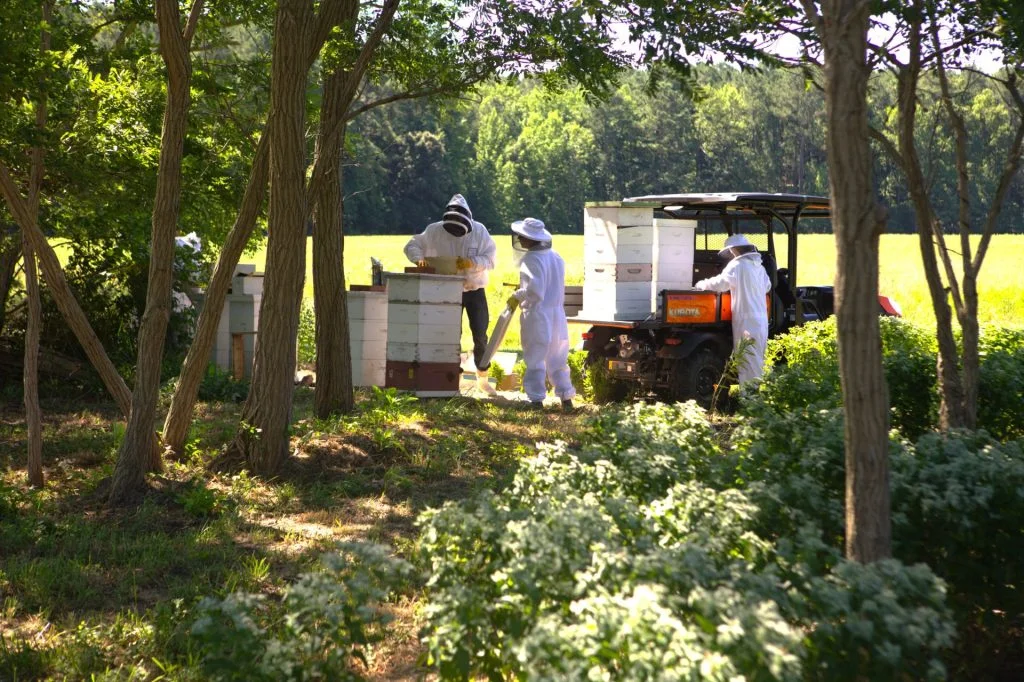
Her farm, spanning over 102 acres, dedicates roughly 40 acres to forage crops that nourish her hives. Unlike many beekeepers who transport their bees to flowering fields, she focuses on cultivating the blooms themselves, aiming to create a self-sustaining environment. This year, however, her anticipated clover harvest faltered. It started with a familiar seeding process in April, but strange weather patterns—unusual temperature drops and an unpredictable Canada goose migration—left her fields patchy and unsatisfactory.
Embracing Biodiversity Amidst Uncertainty
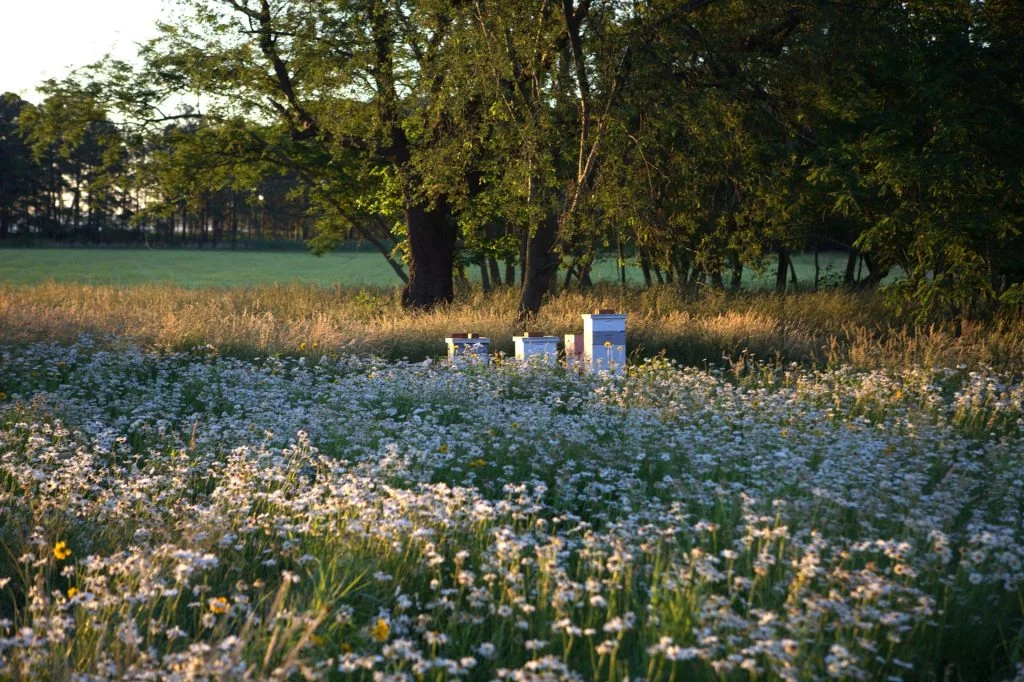
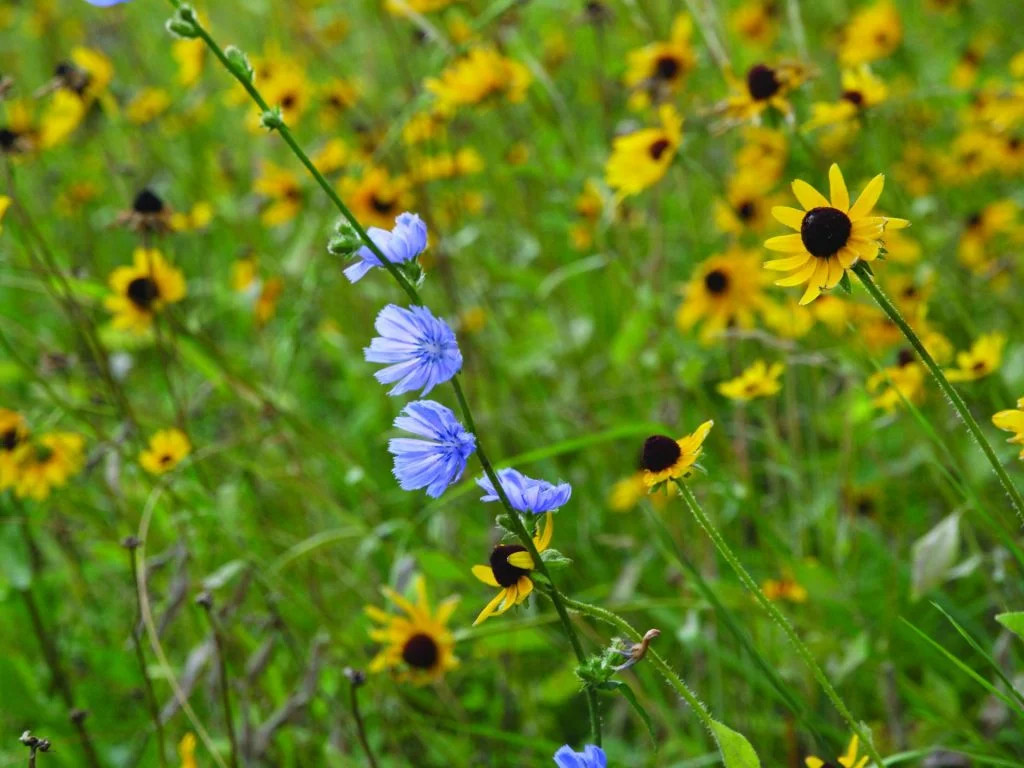
While the absence of clover could have spelled disaster, it inadvertently opened the door to a flourishing ecosystem of wildflowers on her farm. As heatwaves transitioned into heavy thunderstorms, a surprising rain-fed growth took place. Thanks to a carefully curated mix of wildflower species across various sections of the property, the farm saw an unexpected extension of blooms. This year, the wildflower fields not only survived multiple torrential downpours but thrived in the conditions that typically stifled growth.
The farm's consulting ecologist, Jeff Wolinski, has long advocated for biodiversity across their fields. With patches that range from robust indigenous flowers to experimental non-natives like borage, the wildflower sections which initially seemed like a mere diversification effort evolved into a crucial lifeline for the bees and pollinators.
Lessons in Resilience and Adaptation
The season taught her a vital lesson about agricultural resilience. It became clear that relying solely on a single crop could be precarious. Despite her years of advocating for diversified plantings, the reality hit hard when the clover crop failed. What emerged was not just a survival mechanism but a vital shift in perspective: having diverse blooms means maintaining a continuous supply regardless of specific crop failures.
By late July, the wildflowers had compensated for what the clover had failed to deliver. Though the honey harvested this year wouldn’t carry the clover’s characteristic flavor, it embodied the unique essence of the season—a blend of spring and summer’s wildflowers shaped by unusual weather. This year's crop of honey, nicknamed “Spring and Chesterhaven,” reflects the adaptability of nature and the beauty of unexpected outcomes.
The old fruit trees on the farm also surprised her—never had there been so many pears or an impressive apple harvest from younger trees. The environment she crafted, focused on pollinator health and natural habitat creation, proved fruitful beyond expectations.
Future Directions and Takeaways
As the growing season progressed, it reinforced the need to prepare for loss instead of merely hoping for the best. Her standard operating procedure includes budgeting for a 25% loss to wildlife each year, essentially planning for nature’s whims. This proactive approach allowed for a better understanding of her land's potential and limitations—keeping her operation afloat even when faced with challenges.
The richness of biodiversity had become the backbone of her farming strategy. The pollinator-friendly fields attracted not only bees but also butterflies, birds, and an array of other beneficial insects. Over the years, this diversely managed habitat had become an ecosystem that supports more than just honey production. In essence, she has learned that what does not kill soils and habitats only serves to enrich them over time.
Advice for Aspiring Beekeepers
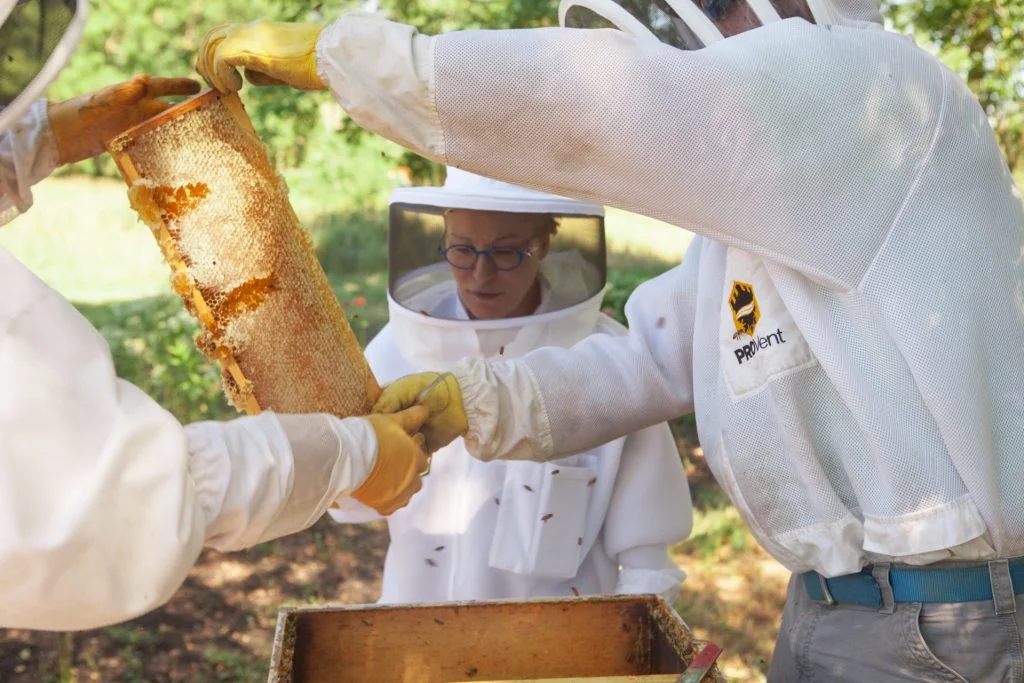
For those looking to plant forage, starting small is key. Testing five to ten acres allows for methodical observation and adjustments before scaling up. Keeping meticulous records of weather patterns, bloom timings, and bee activity is essential; this data helps discern whether unfavorable conditions are a recurring issue or an anomaly.
Furthermore, cultivating relationships with local beekeepers and agricultural experts can save others costly mistakes. Her partnership with a consulting ecologist has maximized farm management payouts and highlighted the importance of adaptability within their farming practices. Each year on the farm continues to offer surprises—a reminder that nature remains unpredictable, yet immensely rewarding.
Kara Brook Brown is the founder of Bee Inspired® Goods and farms on Chesterhaven Beach Farm, cultivating around 40 acres of pollinator forage annually.
For more insights on Kara’s endeavors, visit: Bee Inspired Goods
Discussion
Sign in to join the discussion.