Explore how to select the ideal algae eaters for your aquarium, considering tank size, species compatibility, and dietary requirements.
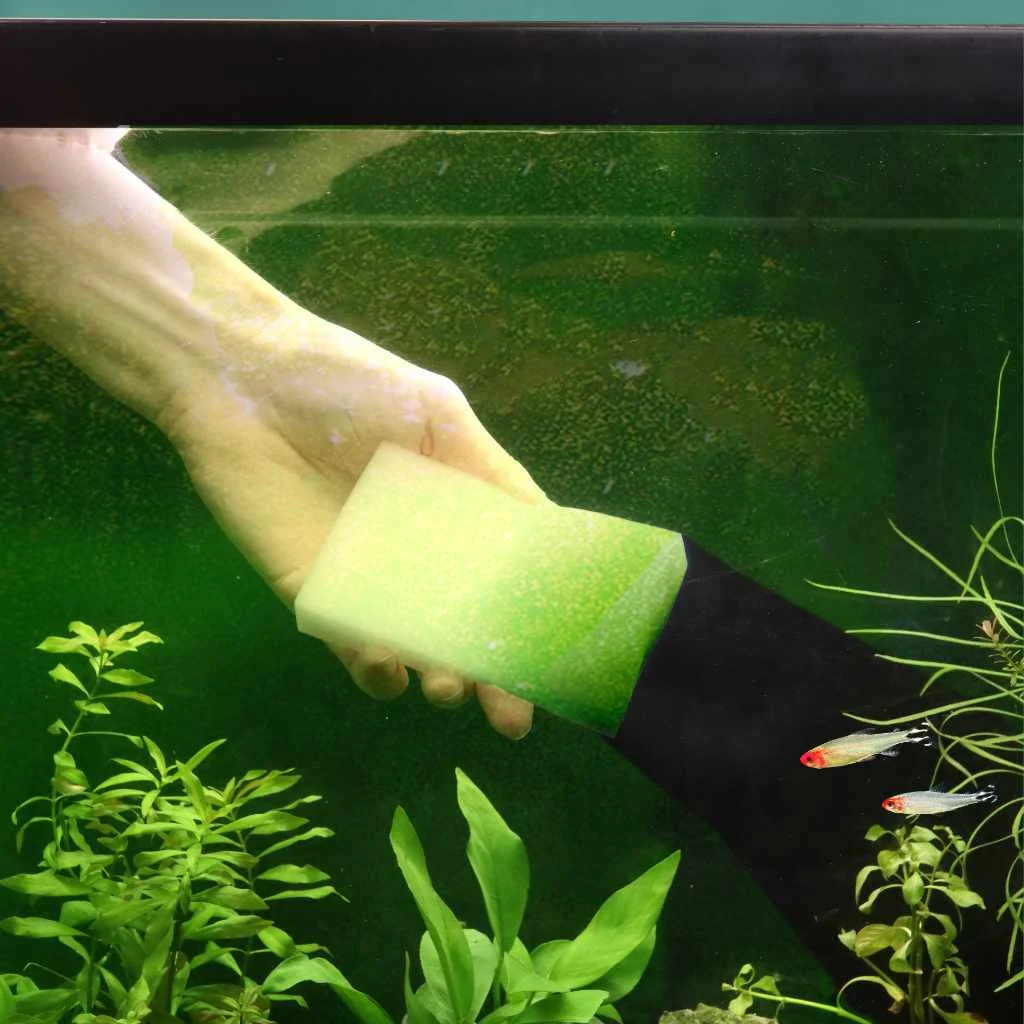
In the world of aquarium care, algae eaters are essential residents, contributing not only to the cleanliness of the tank but also enhancing the community with their unique characteristics. These fish and invertebrates play a significant role by consuming algae and often collecting leftover food particles from the substrate and surfaces. Selecting the right species for your aquarium can truly elevate the aesthetics and health of your aquatic environment.
Managing Algae Expectations
It’s important to set realistic expectations regarding algae control. While algae are a natural part of any aquarium setup, they shouldn't overwhelm the ecosystem. Algae eaters are designed to assist in controlling algae growth, significantly reducing the manual effort required for maintenance. However, they can’t entirely replace conventional algae management methods and shouldn't be relied upon exclusively.
To learn more about additional algae management strategies, you can explore resources that outline various methods of controlling algae growth.
Understanding Tank Size Limitations
When selecting algae eaters, tank size is one of the most crucial factors to consider. Many hobbyists make the mistake of purchasing juvenile algae eaters, such as the Siamese algae eater, only to discover that they outgrow the aquarium. This often results in returning the fish to the pet store, leaving both the aquarium and the fish without a suitable home.
For those with smaller aquariums, options include amano shrimp, pinocchio shrimp, and nerite snails. These species are not only friendly to compact tanks but also offer vibrant life to the community. Ramshorn and bladder snails often hitch a ride on live plants, adding to the algae-eating cleanup crew naturally.
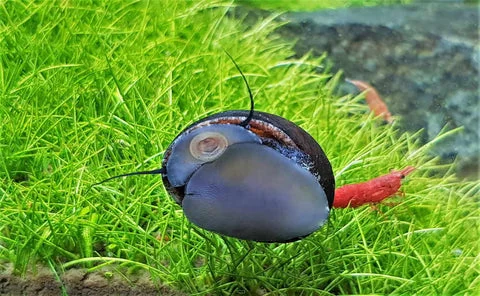
A nerite snail and cherry shrimp
For mid-sized tanks (20-40 gallons), there’s an expanded selection. Platies and mollies excel at nibbling filamentous algae and can add vibrant color to community tanks. Additionally, a school of Otocinclus, stiphodon gobies, or panda garras can thrive, particularly in algae-rich environments.
In larger tanks (40 gallons or more), the Siamese algae eater stands out as a favorite due to its sociable nature and compatibility with various other species. Alternatively, rosy barbs make a colorful addition, known for their hardiness and ability to consume hair algae effectively alongside larger fish.
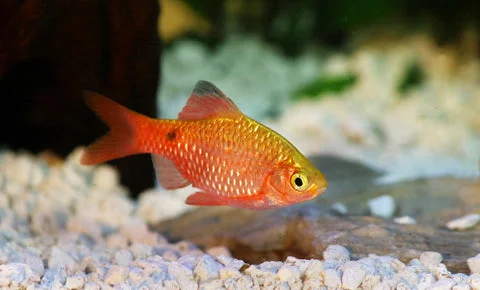
Rosy barbs in action
This overview presents only a selection of the types of algae eaters available. When shopping, the local fish store may surprise with an array of species suitable for various tank sizes.
If the selection at local stores is limited, consider browsing online retailers for more variety.
Navigating Dietary Needs
Algae eaters require a balanced diet that extends beyond just algae. Many species, including snails and shrimp, benefit from natural substrates like driftwood, as well as botanical materials such as catappa leaves. For shell-forming creatures, mineral supplements like Easy Shrimp and Snail Shells are essential for healthy growth and molting.
Feeding options that feature small granules or sinking pellets, like Magic Small Fish Feed, can provide critical proteins and vitamins. Gel foods such as Repashy or enriched sinking wafers ensure that algae eaters receive the nutrition necessary for optimal health and function. It can be enriching for the entire tank when these creatures are part of the community and receive a well-balanced diet.
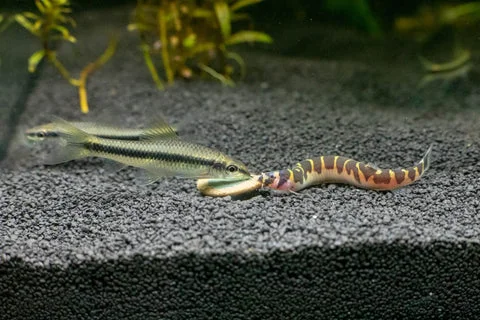
Siamese algae eater and kuhli loach enjoying a sinking wafer
Compatibility Considerations
Compatibility among species is perhaps the most overlooked aspect of introducing new livestock. Understanding the behaviors and individual personalities of your fish can make all the difference. For example, if you have a betta with a tendency to attack the eyestalks of snails, you might want to reconsider introducing nerite snails, opting instead for larger amano shrimp which may be more suitable companions.
In environments with larger cichlids, the robust Siamese algae eater might be best, as smaller species may become a meal. Engaging in discussions with fellow aquarists in an online forum can offer valuable insights and personal experiences about species compatibility.
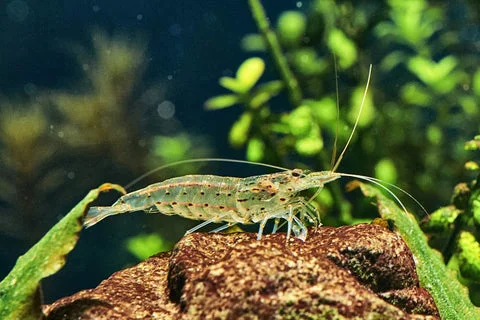
Amano shrimp are popular choices
Assessing Water Chemistry
Water chemistry plays a vital role in fish selection and overall compatibility. While platies and mollies make great algae eaters, they thrive in hard water with a higher pH. Many snail species gravitate toward stable pH levels above 7.0, as low pH can cause shell erosion. Conversely, fish like Otocinclus perform best in water with a pH between 6.0 and 7.5.
For hobbyists unsure about the tank's water parameters, using test strips can help determine which algae eaters would function best in the current environment.
Matching the Right Species to Algae Types
If you're feeling daunted by the options, narrowing down the type of algae you need controlled can be a helpful approach. Fish with downward-facing mouths designed for rasping or sucking are more apt to consume algae and biofilm from surfaces. These species might effectively clear surface algae but may avoid tougher hair types.
On the other hand, fish with strong mouths that can grip, like platies and Siamese algae eaters, are more likely to tackle filamentous algae in addition to other types once they've started to die off from other control measures. By examining the physical feeding mechanisms of your chosen algae eaters, you can make informed predictions about the algae they’ll consume.
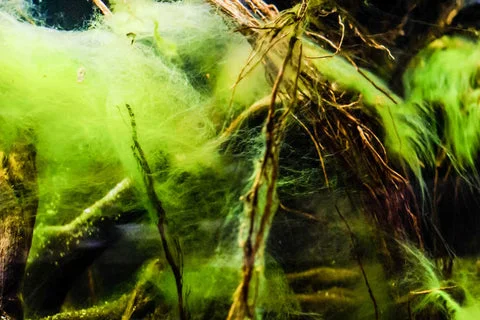
A tank experiencing hair algae issues
One Piece of the Aquarium Ecosystem
Algae eaters contribute significantly to maintaining a balanced aquarium ecosystem by preventing algal overgrowth between cleanings. Beyond their practical roles, these creatures bring enormous interest and diversity to aquariums, often becoming favored members of any aquatic community. They embody the delicate balance of nature and enhance the beauty of your aquarium.
For more information about different algae eaters, check here for a deeper dive into recommended species.
Discussion
Sign in to join the discussion.