Tailored nutrition for senior performance horses centers on chewing ability and body condition, not merely age.
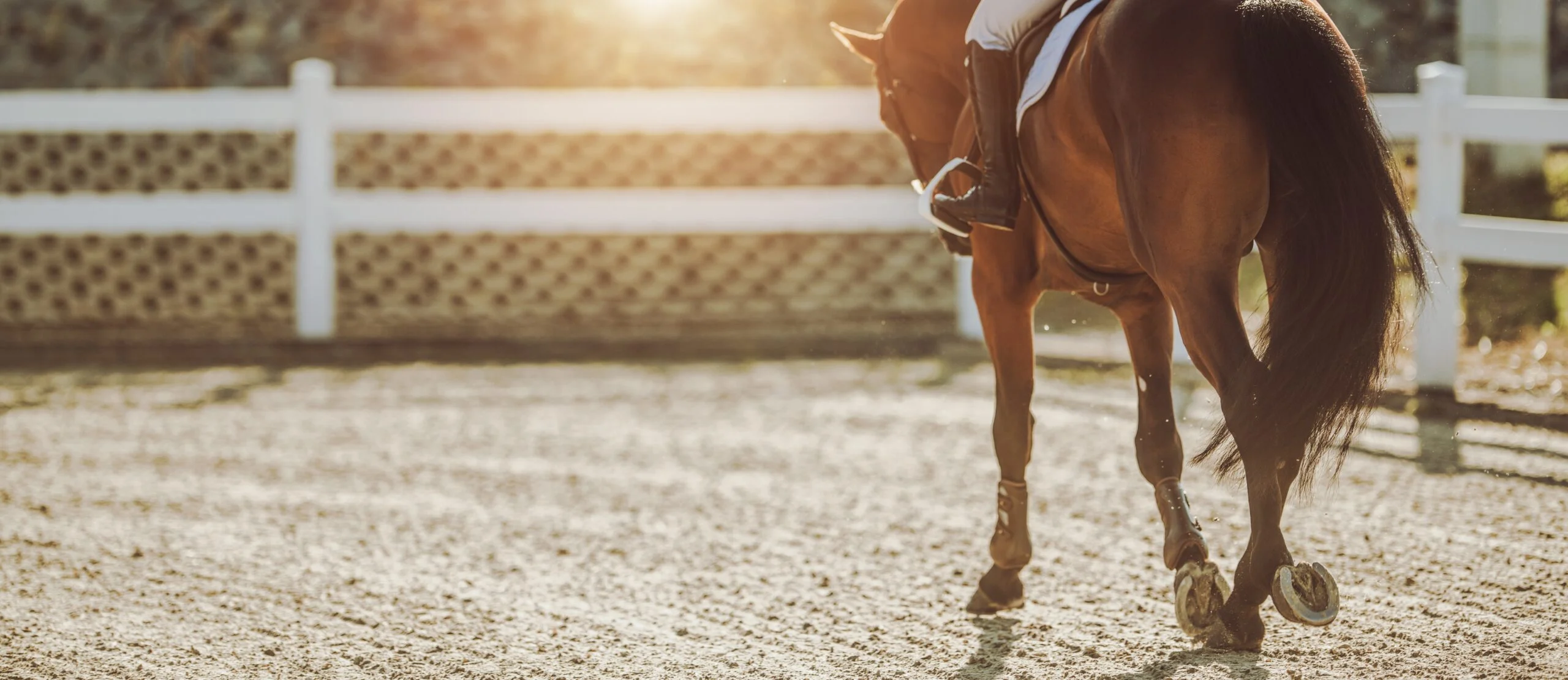
At 25 years old, Harley, a Quarter Horse gelding, remains engaged in ranch riding and trail activities. He has maintained the same owner since his youth and continues to participate in weekly lessons, showcasing a history that spans varied disciplines like cow horse and 4-H events. His owner’s commitment to continuing Harley’s performance journey is commendable but raises vital questions about his evolving nutritional needs as he ages. With longevity in mind, they are now reassessing his diet to ensure he stays healthy and active.
Given Harley's long history of cribbing and notable dental wear, annual dental examinations are essential. Regular veterinary checkups, including joint maintenance, have confirmed he’s otherwise healthy. However, as Harley navigates the later stages of life, questions linger regarding whether his diet should be adjusted to support ongoing performance, considering the wear and tear on his body over the years.
Nutrition for Aging Performance Horses
Natalie Sullivan, MS, an extension agent at the University of Montana and the owner of On Course Equine Nutrition LLC, offers valuable insights into what constitutes a senior performance horse. “Senior feeds rank as the top-selling equine products,” she notes. However, from a nutritionist's viewpoint, the designation 'senior' applies only when a horse has difficulties chewing forage. Nutrition requirements can vary significantly based on several factors, but major shifts are generally only required when dental issues emerge. This misconception about age versus dietary need confounds many horse owners.
If you're working in this space, understanding that a horse can be healthy and active well into its senior years is key. This means nutrition doesn’t only revolve around age. A horse that remains active and can consume hay or other standard forage might not need specialized senior feeds at all. Instead, closely monitoring an individual horse's condition should be the priority.
Decoding Senior Horse Feeds
The concept of senior horse feeds emerged back in 1993, primarily formulated to be higher in fiber and softer to encourage easier chewing. Interestingly, Sullivan elaborates that these feeds typically need to be fed in substantial amounts—often around 6 to 8 pounds daily—to ensure a balanced diet. Many owners mistakenly provide just one pound, which often leads to significant nutritional deficiencies. That could manifest in various ways, from weight loss to decreased performance.
Notably, many active senior feeds are not complete feeds. This emphasizes the necessity for forage; horses require sufficient roughage for their digestive systems to function optimally. “Always check the feed tag to confirm if it’s meant as a complete feed or should be combined with hay,” Sullivan advises, underscoring the importance of being a conscientious horse owner. Many in the community often overlook this detail, leading them to assume that specialized feeds alone will suffice.
Feeding Challenges for Older Horses
When a senior performance horse begins losing weight, the first step is to adjust calorie intake. “Calories are paramount,” Sullivan insists, explaining that whether it’s via grain or hay, owners need to prioritize calorie content. Sometimes, increased alfalfa or transitioning to a more suitable senior feed might be necessary. A common misconception is that supplementation is the solution; however, the real need might just stem from a simple calorie boost. Many horse owners overthink dietary adjustments when, in actuality, a straightforward increase in caloric intake could remedy the situation.
Maintaining physical activity is equally vital. “Aging equine athletes benefit from regular movement to strengthen muscles,” she explains. This point reflects a broader trend in equine management. Since many owners experience anxiety about the health risks associated with older horses, they sometimes reduce their activity levels. Instead, Harley's situation exemplifies that continued engagement in physical tasks can keep older horses fit and healthy, which might even prolong their active years. Alongside this, consistent veterinary care, vaccinations, and joint supplements should not be neglected. This comprehensive approach enhances overall health as horses age.
While owning older horses can induce anxiety due to their increased health risks, Sullivan reassures owners that many conditions can be effectively managed. “They can often be fed similarly to their younger counterparts,” she adds, encouraging responsible care that adapts rather than drastically changes. This is significant. The focus should remain on prevention and well-rounded care, not fear of what might happen.
For Harley's current feeding strategy, Sullivan recommends no changes at this time. As long as he shows no signs of weight loss or health troubles, they will continue with his ration balancer, joint supplements, hay, and summer pasture, complemented by regular veterinary, farrier, and bodywork appointments. Keeping such a consistent regimen aids in monitoring Harley's well-being, ensuring that adaptation occurs only when necessary.
Implications and Future Outlook
The conversation around senior horse nutrition extends beyond individual cases like Harley. As equine athletes age, the stakes rise for how well we understand their needs. A paradigm shift may be needed among owners who still equate senior status solely with age rather than health and activity levels. If the equine industry embraces a more nuanced approach, the quality of life for aging horses could improve significantly, allowing them to thrive well into their twilight years.
Key Takeaway
When it comes to older performance horses, senior feeds may not be necessary. Instead, nutrition should hinge on their chewing ability and body condition rather than age alone. True senior feeds are tailored for horses unable to sustain weight solely on hay or pasture. For active seniors like Harley, focusing on caloric intake, maintaining dental health, routine veterinary visits, and consistent exercise is critical for muscle support and injury prevention. Owners should remain vigilant about feed tags, adhere to recommended feeding amounts, and seek expert advice if any signs of weight loss or chewing challenges arise. Typically, well-balanced rations, hay, and steady care meet the nutritional requirements for these senior equine athletes.
The post Essential Nutritional Strategies for Senior Performance Horses appeared first on Stable Management.
Discussion
Sign in to join the discussion.