Choosing the right forage for your horse is essential; not all horses thrive on unlimited grazing. A balanced approach is key.
Forage Fundamentals in Equine Diet
Forages should be front and center in a horse's diet. This reflects their natural eating habits, where wild horses predominantly consume less nutritious grasses, shrubs, and browse. The grazing behavior observed in feral herds highlights an inherent need for regular intake of fibrous plant material, which supports digestive health. You're not just feeding them; you're catering to an instinct that’s evolved over thousands of years. However, domesticated horses often receive higher-quality nutrition through selected hay and pasture varieties—far removed from what their ancestors might have eaten.
It's essential to understand this shift. In the wild, horses graze for hours each day, selecting various plants to meet their nutritional needs. Conversely, stabled horses often rely on owner-chosen feeds which can differ significantly in nutrient profile and digestibility. This discrepancy can impact overall health and performance. The challenge then lies in mimicking those natural conditions as closely as possible, while accommodating the realities of modern horse-keeping.
Management of Forage Access
Yet, unrestricted access to grass or hay isn’t suitable for every horse. For those with conditions like insulin resistance or metabolic disorders, the uncontrolled intake of high-sugar grasses can lead to serious health risks. Obesity, laminitis, and other metabolic disorders can stem from overindulgence. Managing enthusiastic eaters requires a proactive approach, especially if you’re looking to maintain a healthy weight and prevent metabolic diseases.
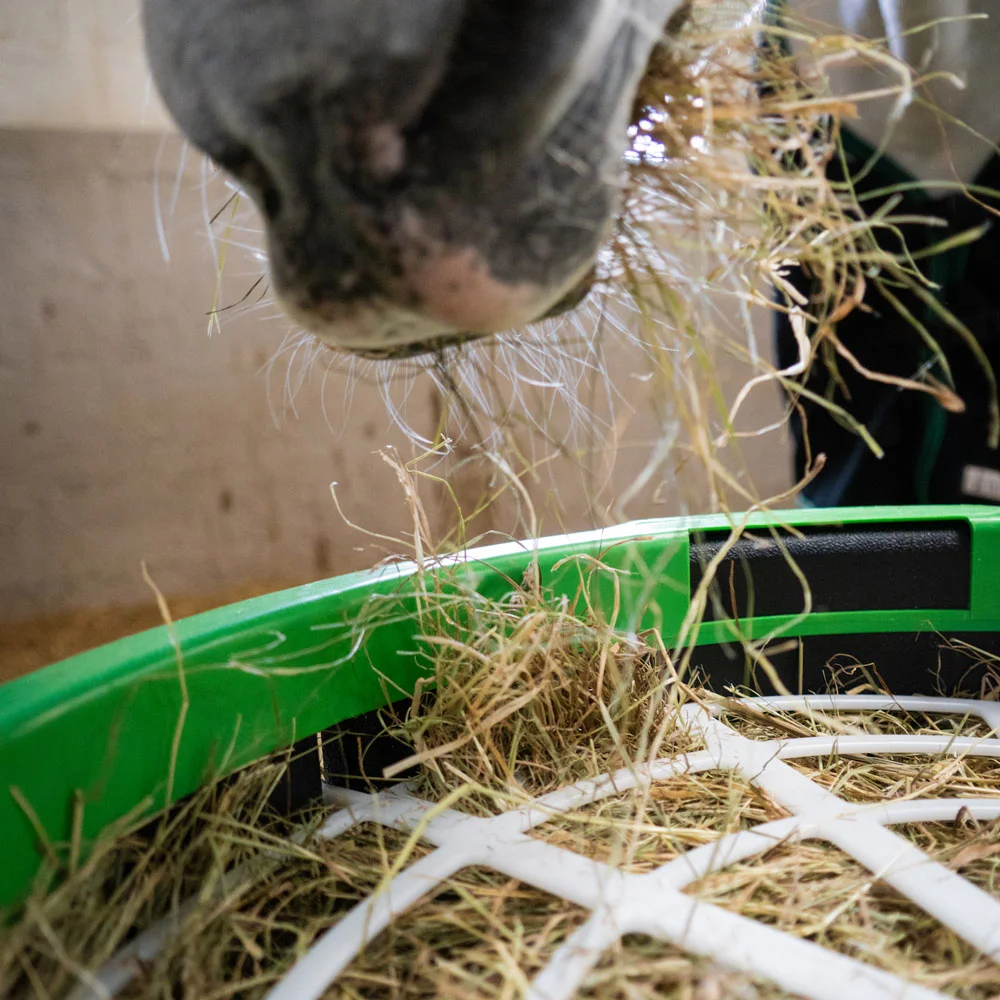
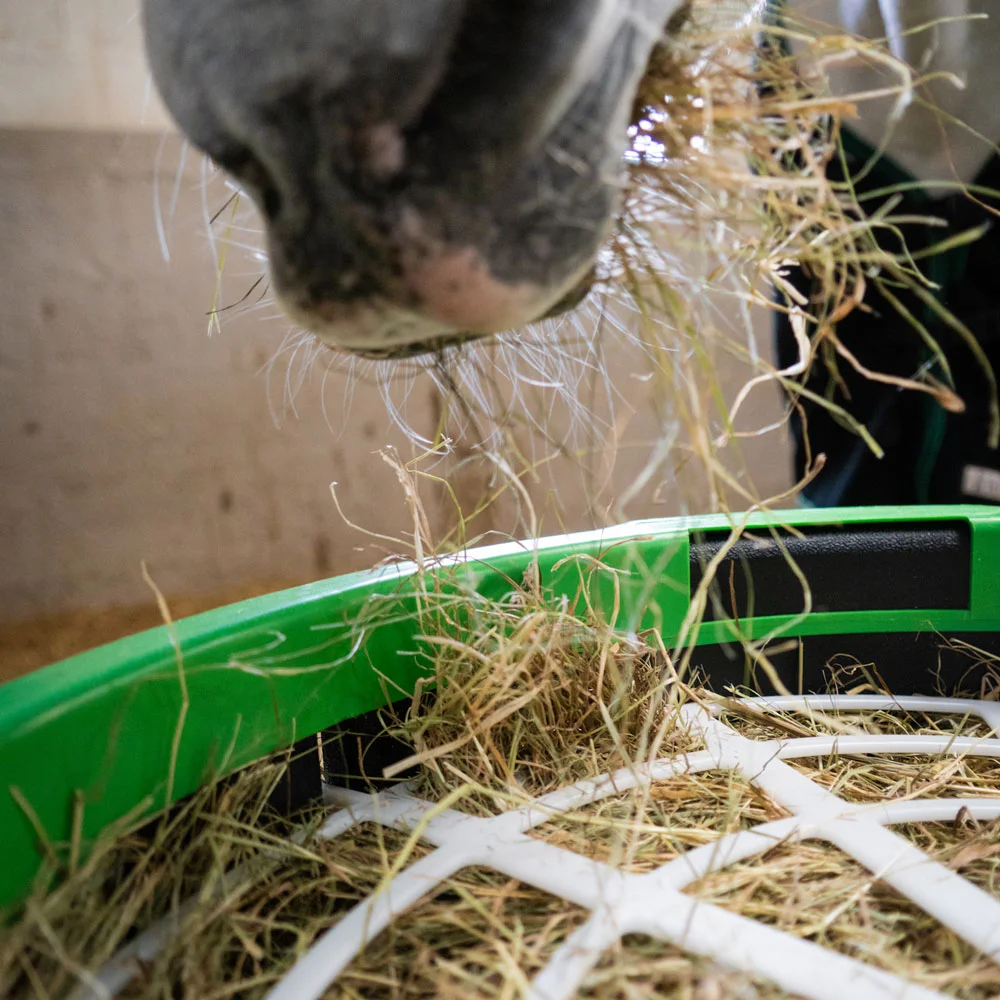
Here’s the thing: if you’re working in this space, you need practical strategies for these horses. Smaller, more frequent servings of hay can help—especially when paired with slow-feed nets that extend eating time and discourage rapid consumption. Soaking hay to reduce sugar content is another effective strategy before feeding. This helps those horses who might be more prone to issues related to higher sugar levels.
Moreover, you can limit turnout on grass to designated dry lots, preventing free-range access during peak sugar times of the day, typically late morning to early afternoon. Implementing a grazing muzzle may also be necessary for the especially eager eaters who might overindulge in pasture access. (And this is the part most people overlook: the efficacy of pairings. Matching horses with similar foraging behaviors can minimize competitive eating among them.)
Nutritional Quality of Forage
Access to forage alone doesn't secure optimal nutrition; you need to understand the nutrient profile of different hays. For example, alfalfa, known for its nutrient density, can be extremely beneficial for performance horses or those dealing with gastric issues. But, for horses that are easy keepers or less active, alfalfa might actually be excessive. Balancing nutrient intake is essential to prevent health complications in horses that may already be predisposed to certain issues.
Opting for grass hays can reduce the overall nutrient density while still satisfying dietary needs. The trade-off between nutrient density and availability is something that owners need to consider closely. Additionally, selecting a coarser, more mature hay may be appropriate for horses who are less active. Those fibrous strands are not only easier to chew but also play a role in maintaining proper gut motility.
Key Consideration
Forage is key to equine nutrition, but each horse’s needs vary. Collaborating with your veterinarian or an equine nutritionist can lead to more tailored feeding strategies. After all, every horse is an individual, and understanding the nuances of their dietary needs is fundamental to their long-term health and wellbeing. A one-size-fits-all approach simply isn’t enough.
Future Considerations and Implications
As the understanding of equine nutrition evolves, the approaches to feeding horses are likely to change. The emphasis should shift more towards personalized nutrition plans that consider individual metabolic rates, activity levels, and specific health needs. Advances in nutritional science might yield even better insights into forage quality and its impact on health. If owners and trainers can foster this greater awareness, the result could be a significant reduction in equine health issues related to diet.
The post Tailoring Your Horse’s Forage Diet for Optimal Health appeared first on Stable Management.
Discussion
Sign in to join the discussion.