Shrimp can be a tasty, occasional treat for cats if properly cooked and prepared; avoid raw shrimp due to health risks.
Nutritional Aspects of Shrimp for Cats
Offering shrimp to your cat does come with certain nutritional benefits, although it's essential to remember that this seafood should be viewed as an occasional treat rather than a staple in their diet. According to the USDA FoodData Central database, a regular serving of cooked shrimp packs about 99 calories, includes a significant 24 grams of protein, contains less than 1 gram of fat, and provides a notable dose of omega-3 fatty acids. These omega-3s are particularly beneficial, contributing positively to your cat's skin, coat, and joint health.
However, nutrition goes beyond just protein. Essential amino acids like taurine are crucial for feline health, and while shrimp does contribute to a cat's taurine intake, it should not be your sole source. The Cornell Feline Health Center highlights that seafood-based proteins can aid overall taurine levels, yet balanced commercial cat foods are designed to meet these dietary needs comprehensively.
Raw Shrimp: A Risky Choice
When contemplating whether to serve raw shrimp to your feline friend, it's best to avoid it altogether. Uncooked shrimp can harbor harmful bacteria such as Vibrio, Salmonella, E. coli, and Listeria, all presenting health risks for both cats and humans involved in food handling. The CDC emphasizes that raw pet food can be a breeding ground for these bacteria, potentially compromising home safety.
In addition to bacterial concerns, raw shrimp can also contain parasites. Cooking shrimp eliminates these risks, making fully cooked shrimp the safest bet. Taking precautions avoids unnecessary health scares for both your pet and yourself.
Preparing Shrimp for Your Cat
If you've decided to give your cat shrimp, preparation is key. The safest method is astonishingly straightforward. Start by boiling or steaming the shrimp without the use of oil, butter, salt, or any spices. Once cooked, allow it to cool entirely before serving.
Before presenting the shrimp to your cat, remove the shell, tail, and the dark vein that runs along its back, as this is the shrimp's digestive tract. What remains should be the plain, cooked shrimp meat, which is safe for your feline to enjoy. It's important to chop the shrimp into small, manageable pieces to prevent any choking hazards, especially for those cats that tend to scarf down their food.
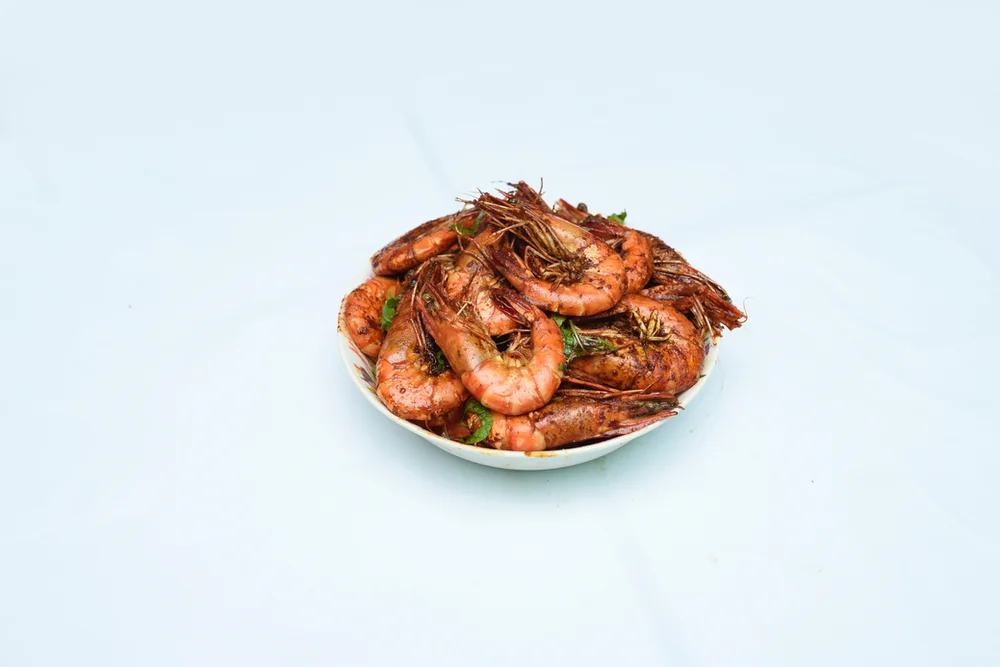
Avoid any frying, heavy sauces, or seasonings that might appeal to your palate but could be harmful to your cat. Keeping it simple ensures that your pet can safely enjoy this protein-rich treat.
Understanding the Risks of Shrimp for Your Cat
When it comes to treating our pets, especially cats, it’s easy to fall into the trap of assuming all human foods are safe. But shrimp, while a beloved delicacy for many, carries its own set of risks that pet owners should not overlook. Providing shrimp in moderation is vital; an occasional piece can be enjoyable, but it should not surpass 10% of your cat's daily caloric intake.
Introducing shrimp into your cat's diet should be approached cautiously. Start with a minuscule amount and monitor your feline friend for any adverse reactions, such as vomiting or signs of distress. If your cat responds poorly, you might need to rethink this seafood treat.
What to Watch For
There are significant health risks associated with shrimp consumption that every cat owner needs to be aware of:
- **Bacterial Contamination:** Undercooked or raw shrimp can carry harmful bacteria like *Salmonella* and *Listeria*, which pose serious health threats not just to cats, but also to humans.
- **Choking Hazards:** The shells and tails of shrimp can be tough and difficult for cats to manage, leading to potential choking or blockages in their digestive tract.
- **Toxic Seasonings:** Many shrimp dishes include ingredients like garlic and onion, both of which are toxic to cats. Even small amounts can lead to severe health issues.
- **Allergic Reactions:** While shellfish allergies in cats are rare, they do occur. Symptoms can range from itching and swelling to serious respiratory issues. If you're unsure, stay cautious and closely monitor your cat upon introducing shrimp.
- **Pancreatitis Risk:** If your cat is prone to pancreatitis, greasy or heavily seasoned shrimp could trigger an episode, so stick to plain, boiled shrimp if you proceed at all.
- **Sodium Concerns:** Processed or cocktail shrimp can often contain excessive salt, creating additional risks for cats with heart or kidney issues.
If your cat displays any adverse symptoms after eating shrimp, such as gastrointestinal distress or an allergic reaction, it’s crucial to seek veterinary advice immediately. Services like the [ASPCA Poison Control](https://www.aspca.org/pet-care/aspca-poison-control) and the [Pet Poison Helpline](https://www.petpoisonhelpline.com/) can provide valuable guidance in such situations.
Ultimately, while shrimp can be a delightful treat for your cat, careful consideration of portion size and preparation is essential. Assess the necessity of incorporating such treats into your pet’s diet, always erring on the side of caution.
Discussion
Sign in to join the discussion.